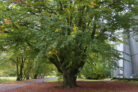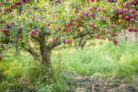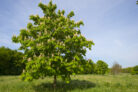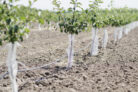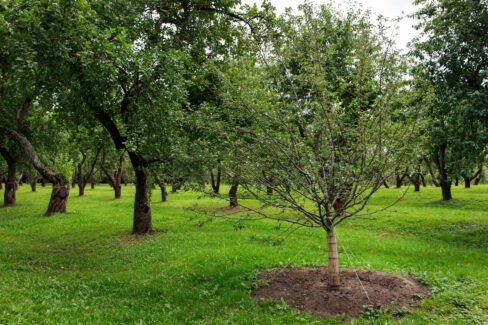
Apple trees are the undisputed kings of the backyard orchard. Unlike berry bushes, these pome fruits grow on a distinct trunk, with the leafy canopy branching out at various heights depending on the variety.
Understanding Different Growth Heights
Apple trees aren’t “one size fits all.” They come in a huge range of sizes and tree forms, which determines exactly how much space and ground area you’ll need in your yard. If you’re looking to plant a new tree, I highly recommend chatting with someone at a local nursery. They offer different training styles that vary wildly in trunk height and crown shape. You can choose from standard (full-size) trees, semi-standards, bush trees, spindle bushes, espaliers, columns, or even minis for small patios.
Location is Everything for Healthy Growth
Apple trees are happiest in mild climates with plenty of sunlight. One thing they really hate? Late spring frosts, which can nip the blossoms and ruin your harvest before it even starts. For the best results, give them nutrient-rich, loamy, and deep soil. Also, remember that most apples need a “buddy” to produce fruit. Make sure there are good pollinator trees nearby that bloom at the same time. Bees and other helpful insects will do the heavy lifting, carrying pollen from one tree to the next.
Pruning for Success
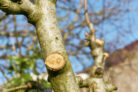
Don’t be intimidated by pruning! It’s actually one of the best things you can do for your tree. The initial planting cut and the training cuts during those first few years are especially vital. Proper pruning ensures steady growth and a bounty of fruit. You can always hire a pro to do it, but it’s a great skill to learn yourself. Check out local gardening clubs or community colleges—they often host hands-on workshops.
Growing from Seeds vs. Saplings
Trying to grow an apple tree from a seed or a tiny seedling is a true test of patience. If you want to propagate a specific variety, we recommend grafting a scion onto a sturdy rootstock. Trees grown strictly from seeds usually need to be grafted anyway if you want high-quality fruit. Plus, you’ll likely be waiting at least 10 years before you can harvest your first homegrown apple!