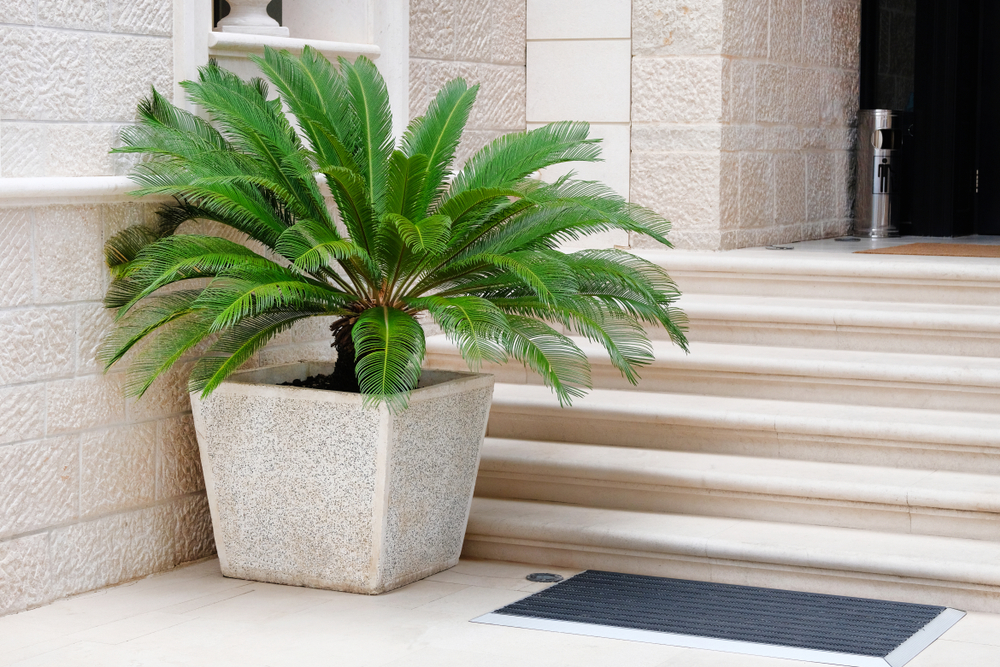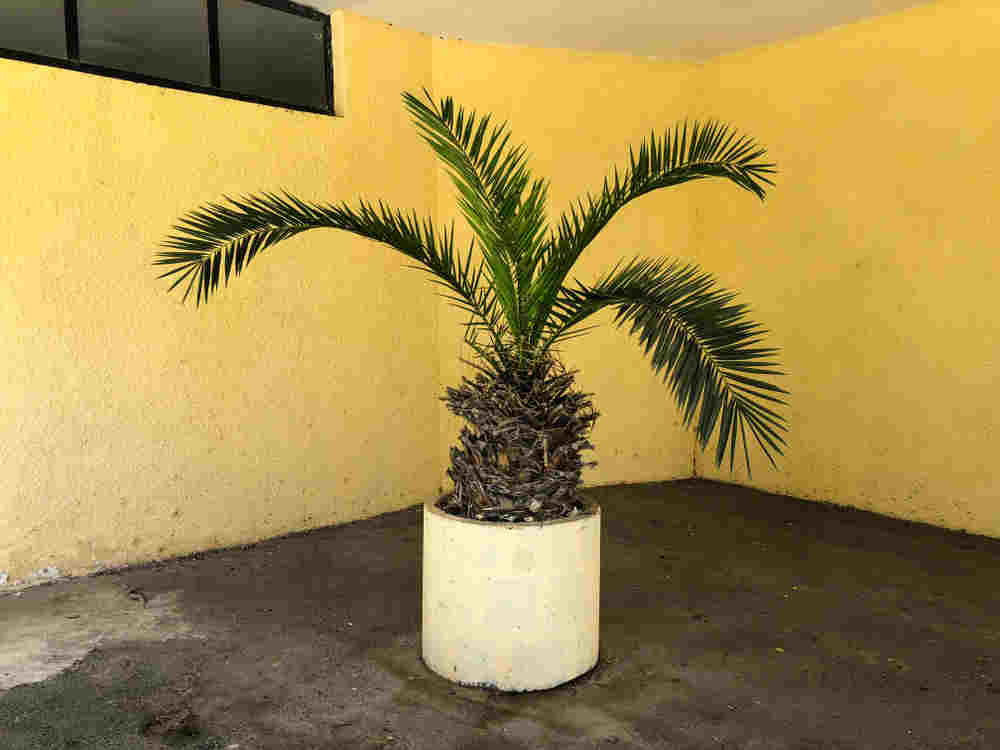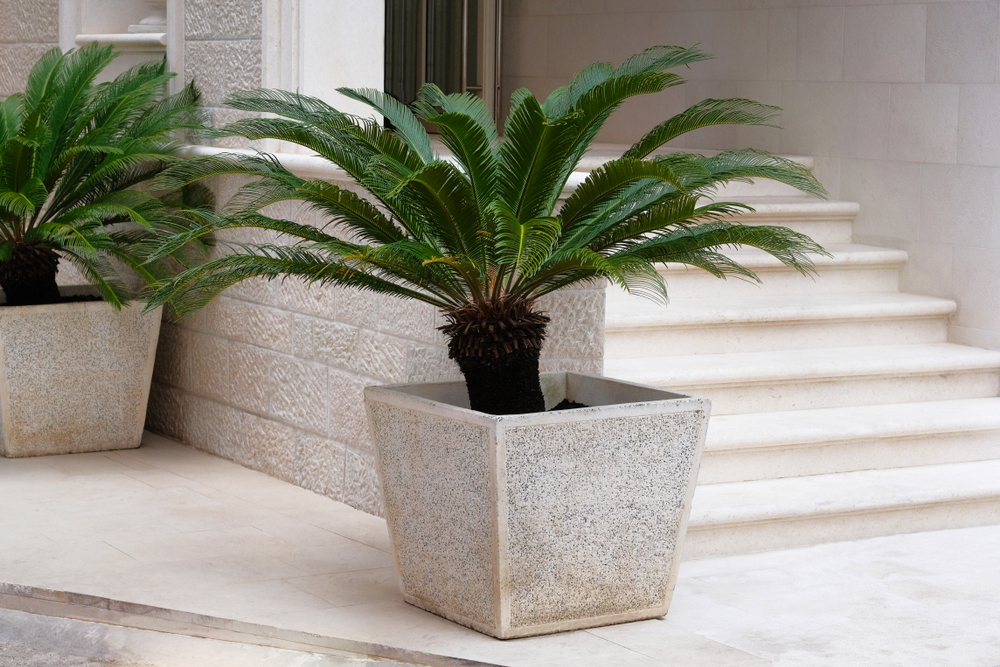
Date palms are the ultimate way to bring those tropical, Caribbean vibes right into your home or backyard. The best part? Despite their exotic looks, these palms are actually pretty tough. As long as you nail a few basic growing conditions, they’re surprisingly low-maintenance—even if you’re just starting your indoor gardening journey.
Finding the Perfect Spot
Location is everything if you want your palm to stay lush and healthy. When you’re picking out a home for your new green friend, keep these tips in mind:
- Light: They love bright spots, ranging from full sun to partial shade.
- Acclimation: Don’t move them directly into harsh sun! They need to get used to it gradually to avoid leaf scorch.
- Outdoors: If you move them outside for the summer, pick a spot protected from heavy winds.
- Airflow: Indoors, they need fresh air but hate drafty hallways or AC vents.
- Humidity: They appreciate a bit of moisture in the air to keep those fronds looking sharp.
Temperature Talk
Since date palms hail from tropical climates, they’re big fans of the heat. Ideally, you want to keep them at 68°F (20°C) or higher. During the peak of summer, they won’t break a sweat even if it hits 80°F or more on your patio. Just a heads-up: even though they love heat, constant, direct midday sun can actually give the fronds a “sunburn,” causing them to turn brown.
Winter Care
When the temperatures start to drop, you need to know which variety you have. You can generally categorize them into frost-sensitive and cold-hardy types. Most date palms aren’t fans of freezing temperatures; they’ll get frostbite quickly and need to be moved indoors before the first frost hits. A cool room between 50°F and 60°F (10-15°C) is perfect—think an unheated sunroom, a frost-free shed, or a chilly hallway.
During this winter “dormancy,” the palm slows its metabolism way down. This means it needs much less water and absolutely no fertilizer until spring.
If you have a “hardy” variety, it might handle short dips down to about 20°F (-6°C) outdoors. However, if it gets any colder, you’ve got to protect it! Move it to a sheltered spot against a house wall and mulch the root area heavily with straw, evergreen boughs, or leaves. To insulate the roots from the frozen ground, prop the pot up on a wooden pallet or a thick piece of foam. You can also wrap the delicate fronds in burlap or garden fleece.
Honestly, if you want to play it safe, overwintering them in a cool indoor room is always better than risking the elements. Since the hardy types can handle a little chill, you can move them back outside as early as mid-April—they won’t mind a light night frost once they’re settled.