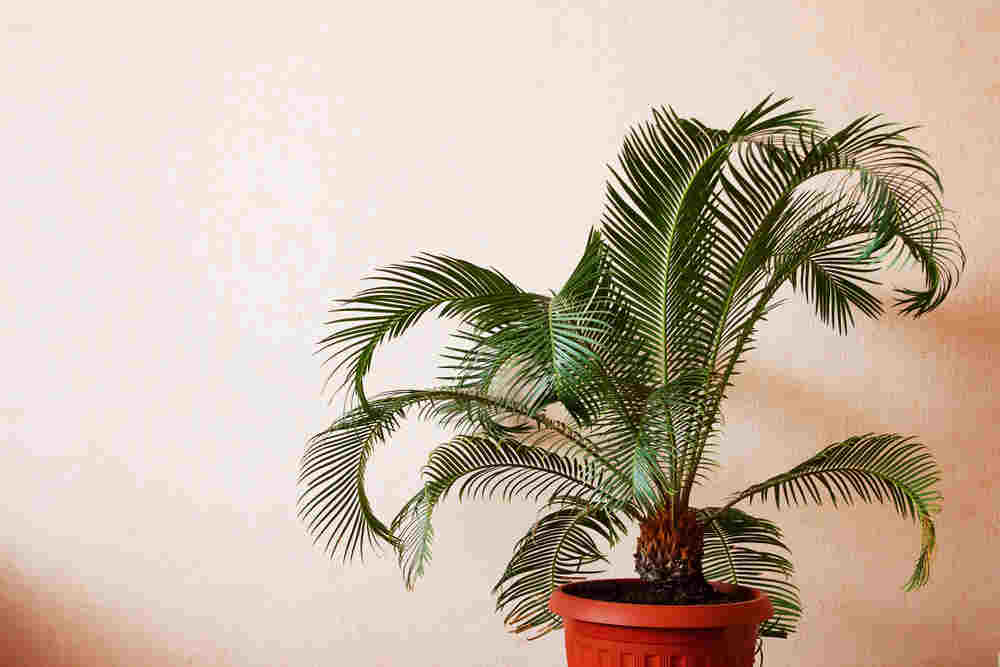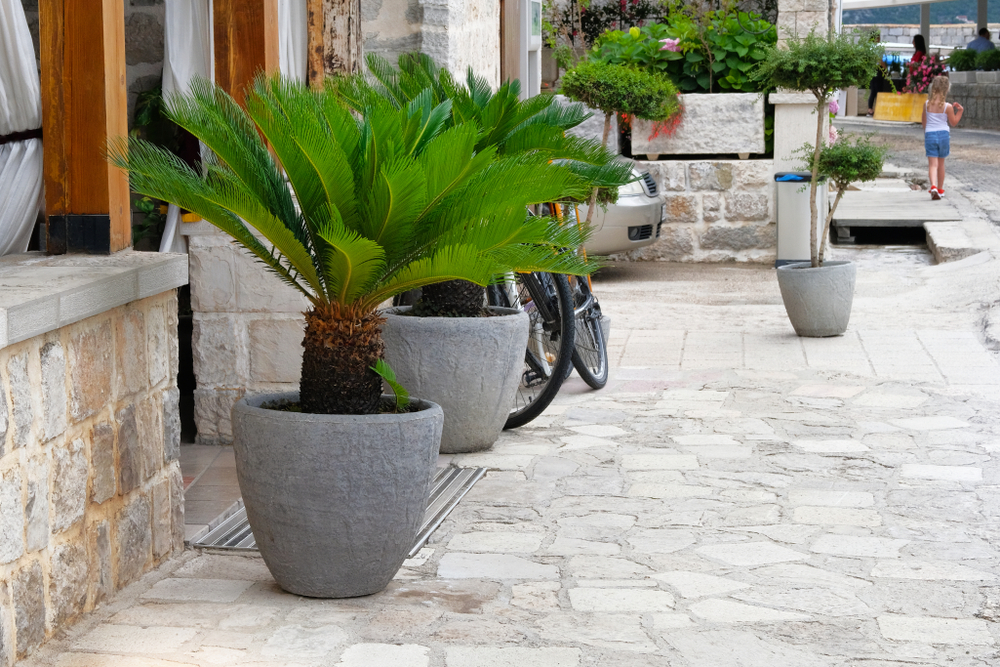
The popular date palm isn’t just a low-maintenance houseplant; it’s also a super rewarding DIY project! You can actually grow your own right at home. Just a heads-up: you’ll need a healthy dose of patience. These seeds can take several months just to sprout, and it often takes a few years before you see those iconic feathery fronds.
Where do you get the seeds?
When grown indoors, date palms rarely produce flowers or fruit on their own. If conditions are absolutely perfect, a palm might bloom and produce viable seeds, but you’d have to step in as a “bee” and hand-pollinate them with a brush. Plus, you’d need several palms to ensure you have both male and female flowers. Honestly? The easiest way is to just buy seeds or save them from store-bought dates!
How to plant date palm seeds
Ready to get started? Here’s the step-by-step:
- First, soak your seeds in lukewarm water. This helps soften that tough outer shell and gives the germination process a head start.
- Fill your starter pots with a high-quality seed-starting mix.
- Plant the seeds about half an inch deep and cover them with soil.
- Place your pots in a bright, warm spot.
- Keep the soil consistently moist, but be careful—you don’t want them sitting in soggy, stagnant water.
It can take months before that first little leaf peeks out of the soil, so don’t give up on them! Once your baby palm is about 4 inches tall, it’s ready to move into a proper pot with palm-specific soil. Find it a bright spot with indirect sunlight. They love temperatures between 72°F and 78°F. Keep the young plant lightly moist and care for it just like you would a grown-up palm.
Growing date palms from offshoots
If you’re looking for a shortcut, growing from seeds isn’t your only option. It’s actually much easier to propagate using offshoots (or “pups”). If your date palm starts growing little side shoots in the spring, you’re in luck! Carefully snip these away from the mother plant using a sharp, clean knife. Pop them into pots with seed-starting mix and place them somewhere warm and bright. Keep the soil moist but never waterlogged—excess water will rot those delicate new roots instantly. Once you see new leaves growing, you’ll know the plant has successfully taken root. As soon as you see roots poking out of the bottom of the starter pot, it’s time to give your new date palm a bigger home where it can really settle in.