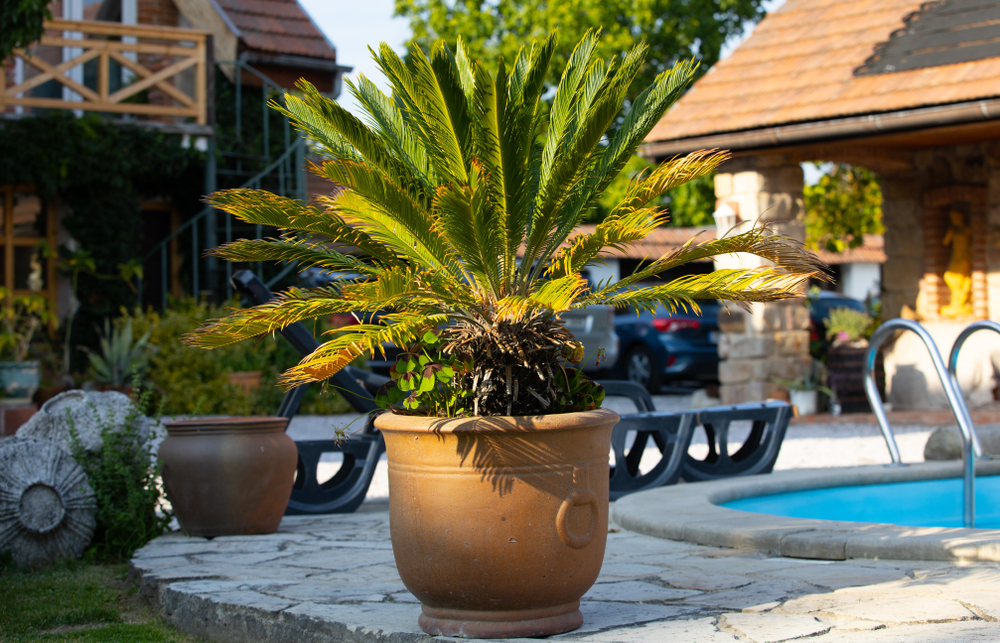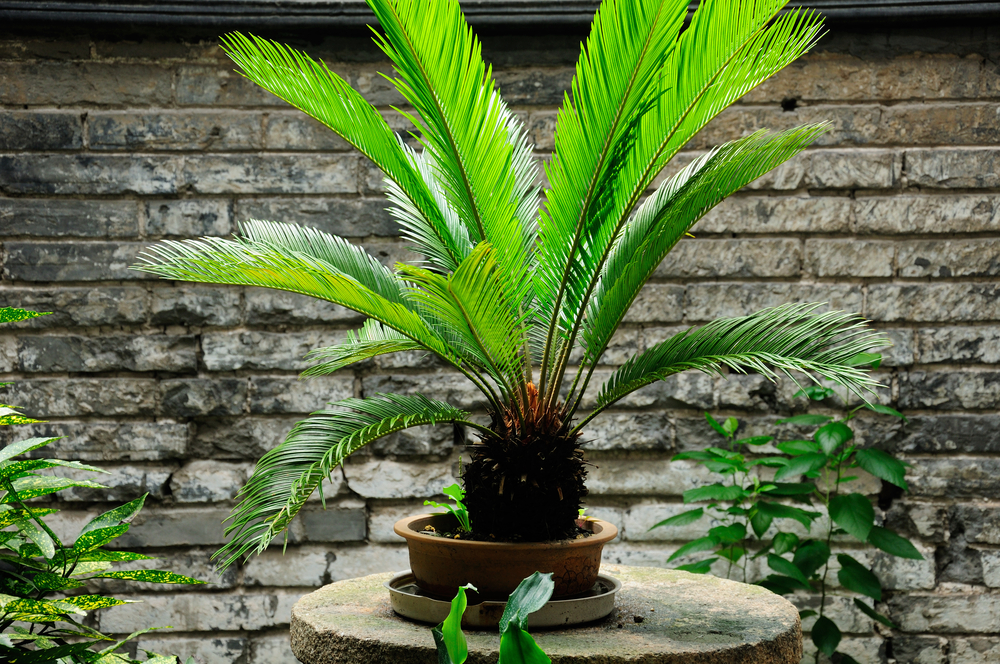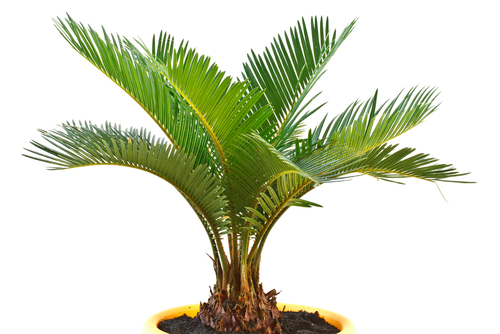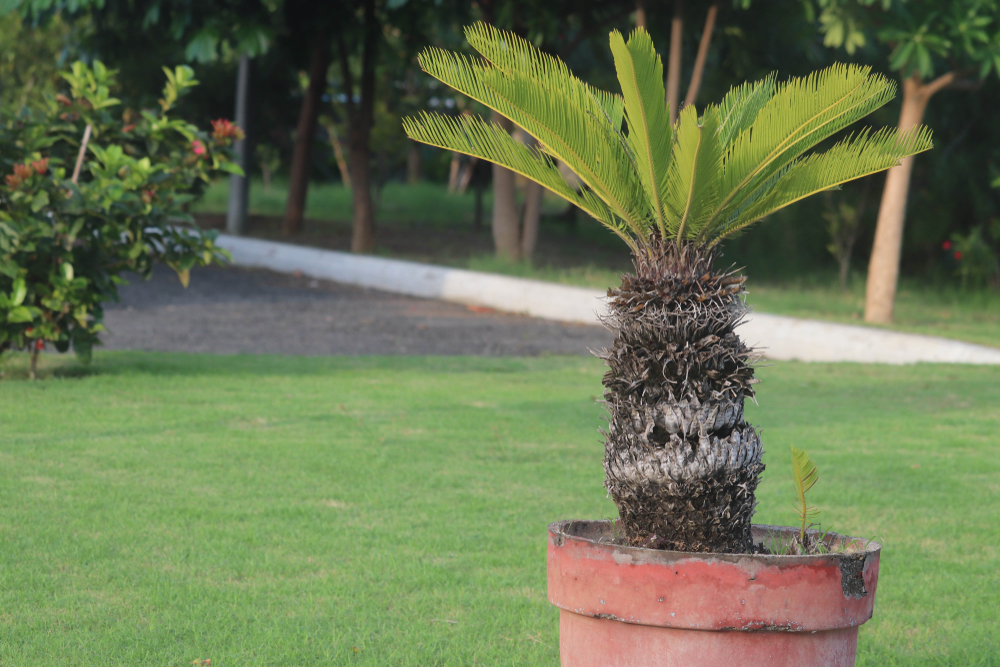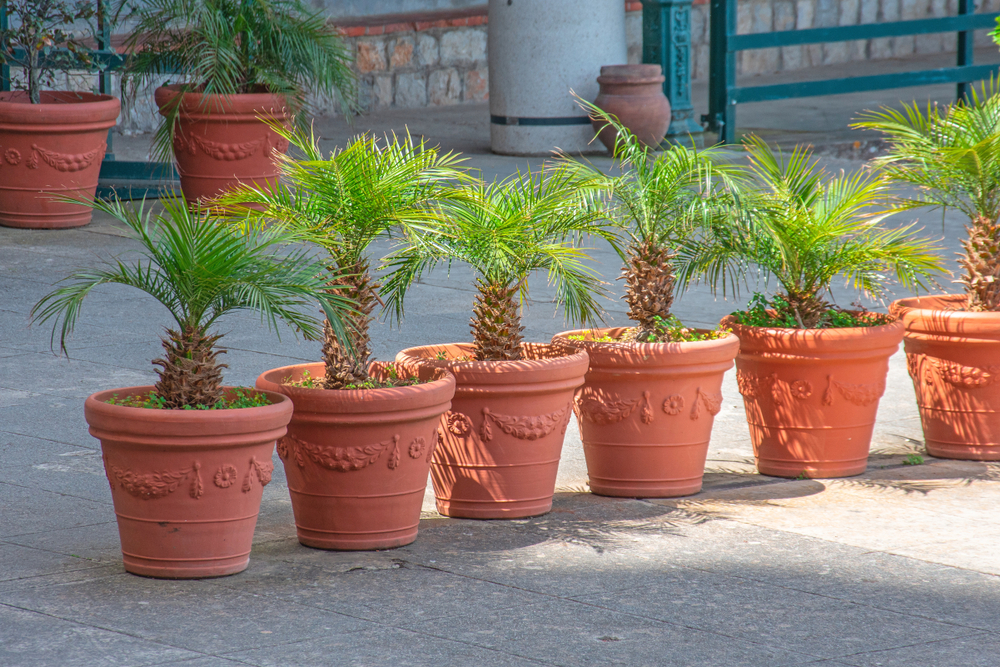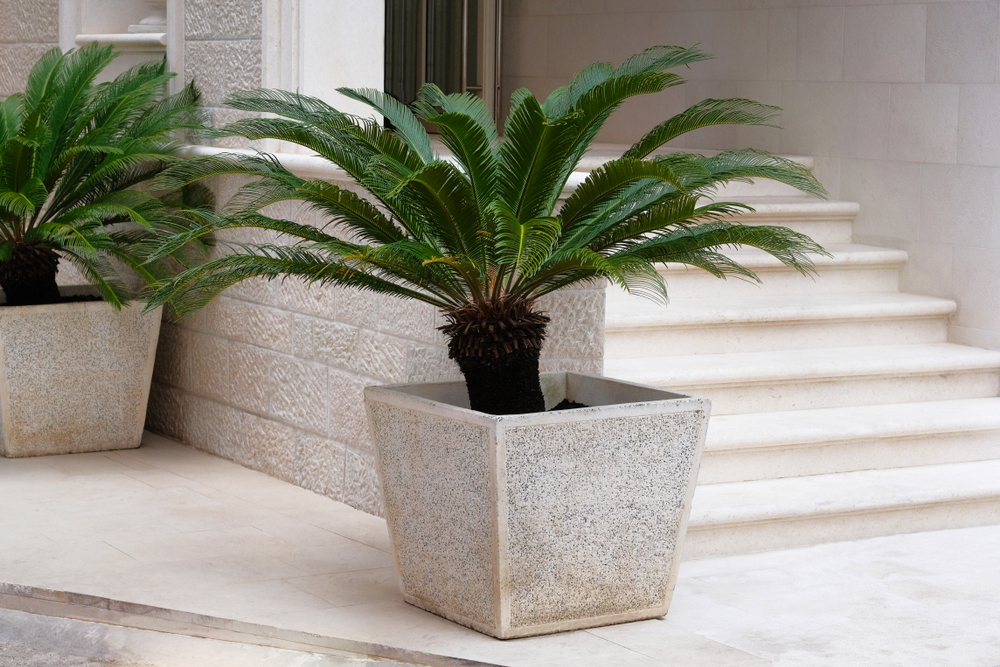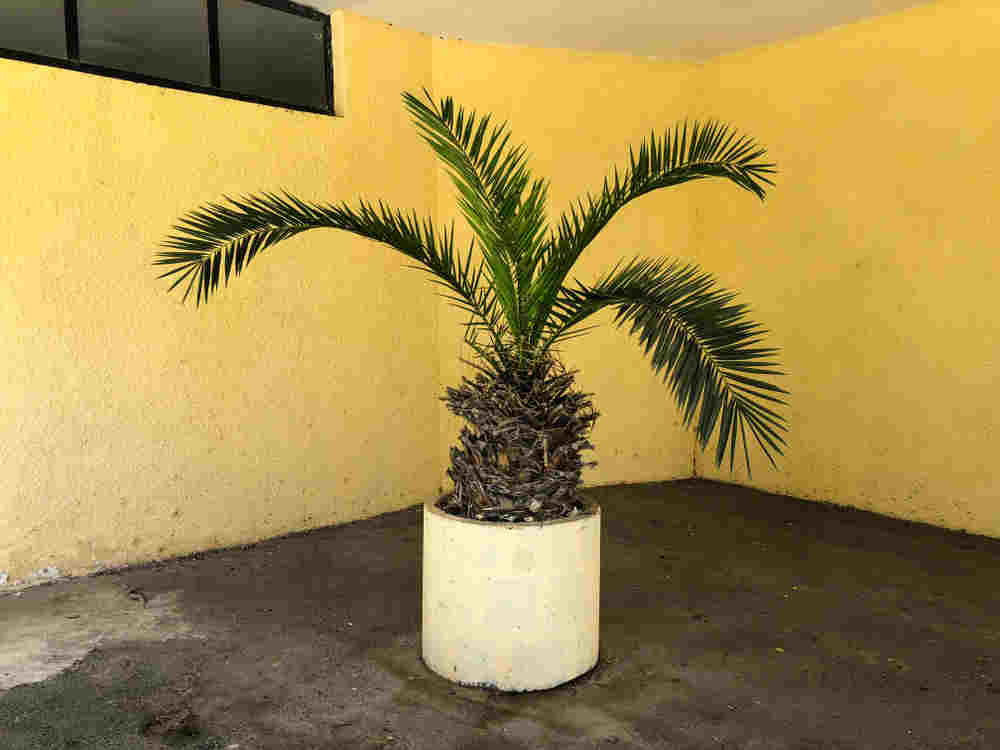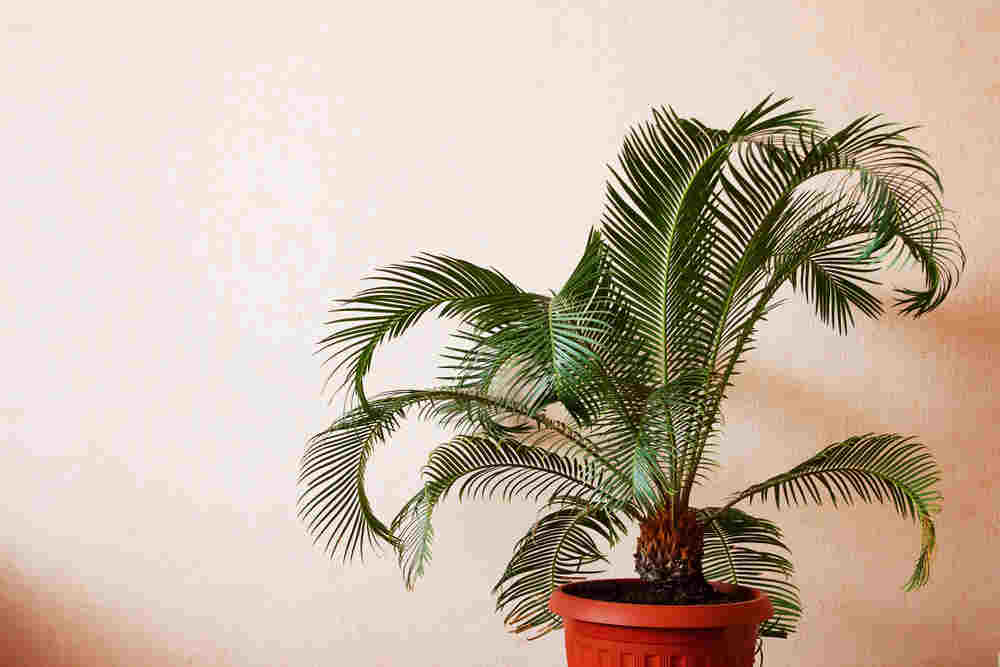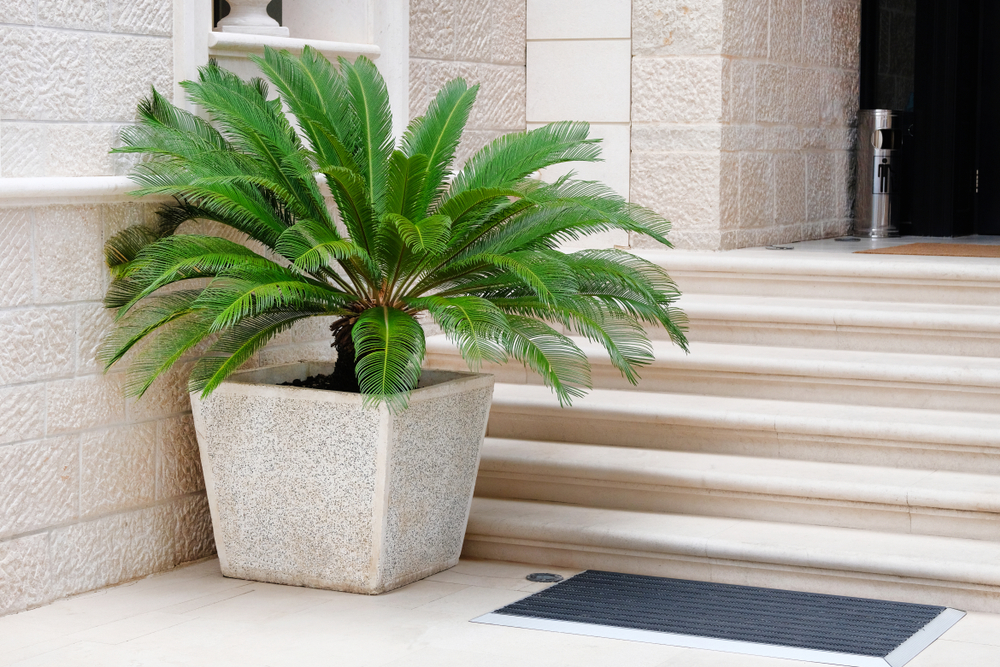
Back in its native African habitat, the Date Palm is a massive, essential tree famous for its delicious fruit. Here in the States, though, we mostly grow them as popular houseplants or patio showstoppers. Even indoors, they can reach an impressive height of up to 15 feet! Just a heads-up: if your indoor palm happens to produce fruit, don’t try to eat it—unlike the ones in the wild, these aren’t edible.
Date Palm Quick Facts
Here’s a quick rundown of everything you need to know about this beautiful palm (botanically known as *Phoenix dactylifera*).
- Native Habitat: Africa and the Canary Islands.
- Family: Part of the Arecaceae family.
- Appearance: A classic feather palm with a striking crown of fronds.
- Size: Can grow up to 15 feet tall as a houseplant.
- Fronds: In indoor settings, the green fronds usually reach about 2 feet in length.
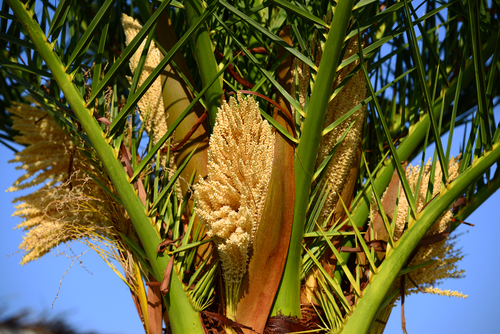
- Flowers: Produces yellow-white blooms.
- Blooming Season: Typically between February and June.
- Fruit: Small, golden-yellow, and not edible.
- Hardiness: Only slightly cold-hardy; it can only handle temperatures down to about 21°F (-6°C).
- Toxicity: Completely non-toxic in all parts.
- Ideal Spot: Warm, sheltered from the wind, and anywhere from full sun to partial shade.
- Soil Preference: Not a fan of lime-heavy water or soil.
Location and Care
Date Palms absolutely love a warm, sunny spot. They’re more than happy to spend their summer vacation out on your patio! Just make sure they’re tucked away from harsh winds and indoor drafts. When winter rolls around, they prefer a slightly cooler “rest” period—around 60°F is the sweet spot.
When it comes to watering, these palms are pretty thirsty. Give them a good soak whenever the top layer of soil feels dry to the touch. However, you’ve got to watch out for standing water; soggy “feet” will lead to root rot every time. A layer of clay pebbles or broken terra cotta at the bottom of the pot works wonders for drainage. Feed your palm with liquid fertilizer every two weeks during the growing season, and you’ll likely only need to repot it every four to five years.
The Right Soil
Your Date Palm will be happiest in a specialized palm potting mix that isn’t too heavy on peat. Peat tends to compact quickly and can lead to mold issues. Instead, look for a high-quality substrate enriched with coconut coir. These fibers keep the soil airy and prevent mold from moving in. If you can’t find coir, mixing in some perlite will do the trick just as well!