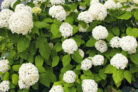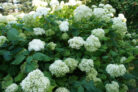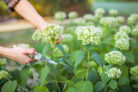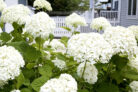
Got an ‘Annabelle’ hydrangea that’s looking a little crowded, or maybe you just want to spread that floral magic to another corner of your yard? You’re in luck! These beauties are super easy to propagate through division. Here’s the lowdown on how to split your plant and what you need to keep in mind to keep those iconic blooms coming.
The Best Time to Divide Your Hydrangea
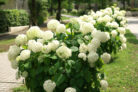
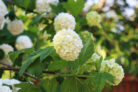
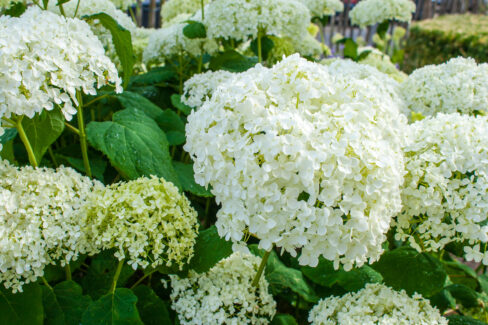
With those massive, snowball-like white blooms, it’s no wonder the ‘Annabelle’ (or Smooth Hydrangea) is a garden favorite. Over time, these plants develop a pretty substantial root system that sends out new shoots, making them perfect candidates for division. You just need to time it right.
The sweet spot for dividing your ‘Annabelle’ is early fall, right as the flowers start to fade. If life gets in the way and you miss the fall window, early spring is your backup plan. Just make sure you get in there before the new growth really takes off. That way, the new division can use that springtime energy boost to establish its roots in its new home.
How to Get the Job Done
To make sure both your original plant and your new “baby” hydrangea thrive, you’ll need to give them the right location, plenty of water, and a healthy chunk of root to start with. Here’s my step-by-step guide to doing it right:
Step-by-Step Division:
- Carefully dig up the entire hydrangea, making sure to get as much of the root ball as possible.
- Use a sharp spade to slice the root ball into two healthy sections.
- If you’re working with a massive, older plant, you can even split it into three or four pieces.
- Replant both sections immediately so the roots don’t dry out.
Once they’re back in the ground, aim for a spot with partial shade or full shade and rich, nutrient-dense soil. Make sure the dirt is well-draining but stays moist. You’ll want to water your hydrangea thoroughly for the first few weeks—newly divided plants are thirstier than established ones while they’re trying to settle in. You can also add a little fertilizer, just make sure it’s the right kind for hydrangeas. And remember, once those heavy flower heads start growing, it’s a good idea to give them some support so they don’t flop over!