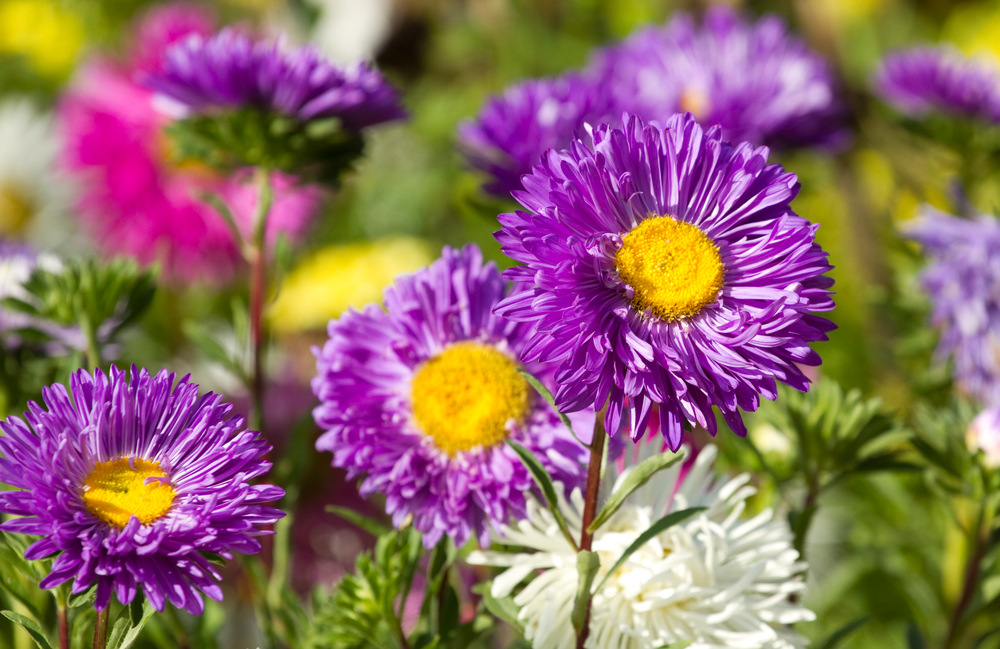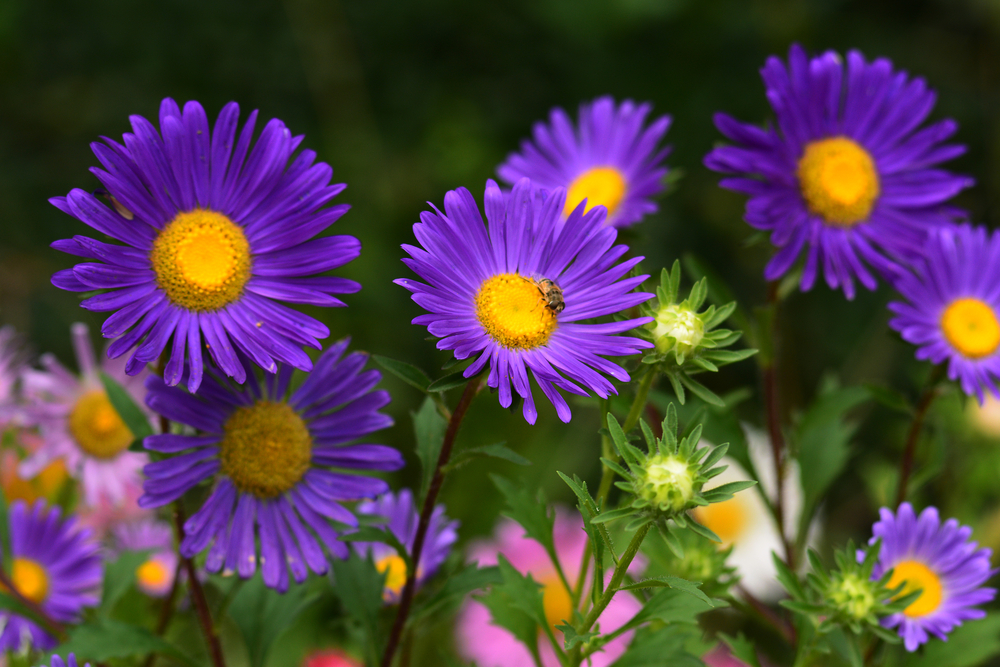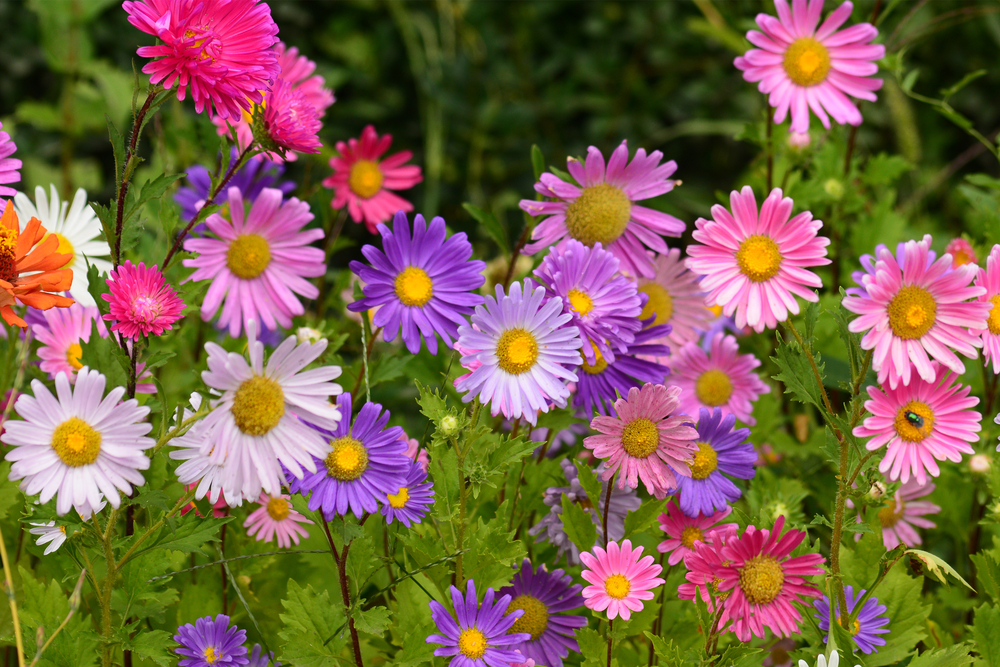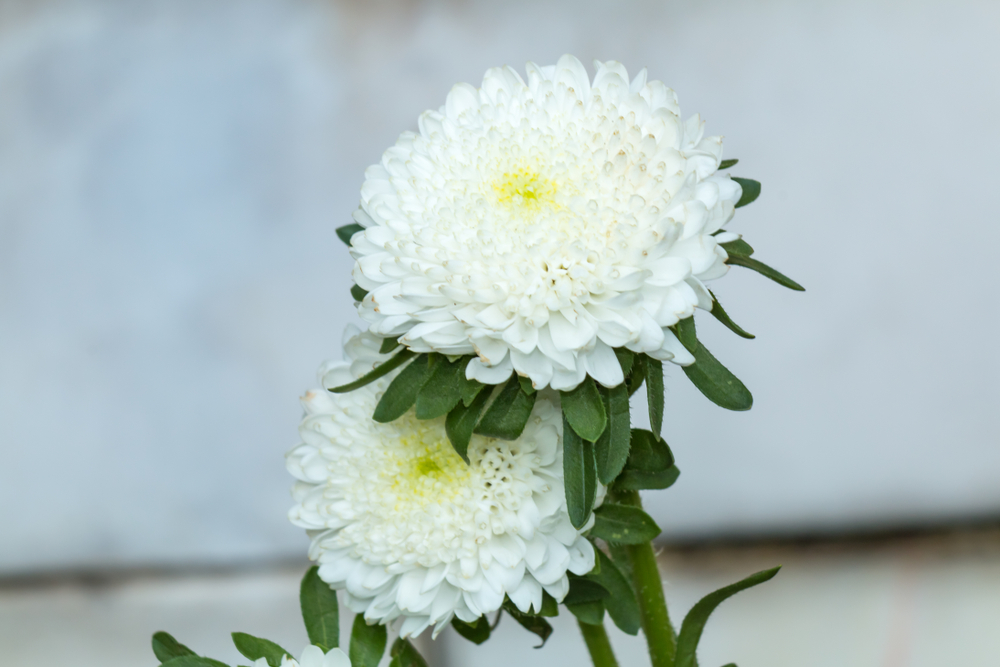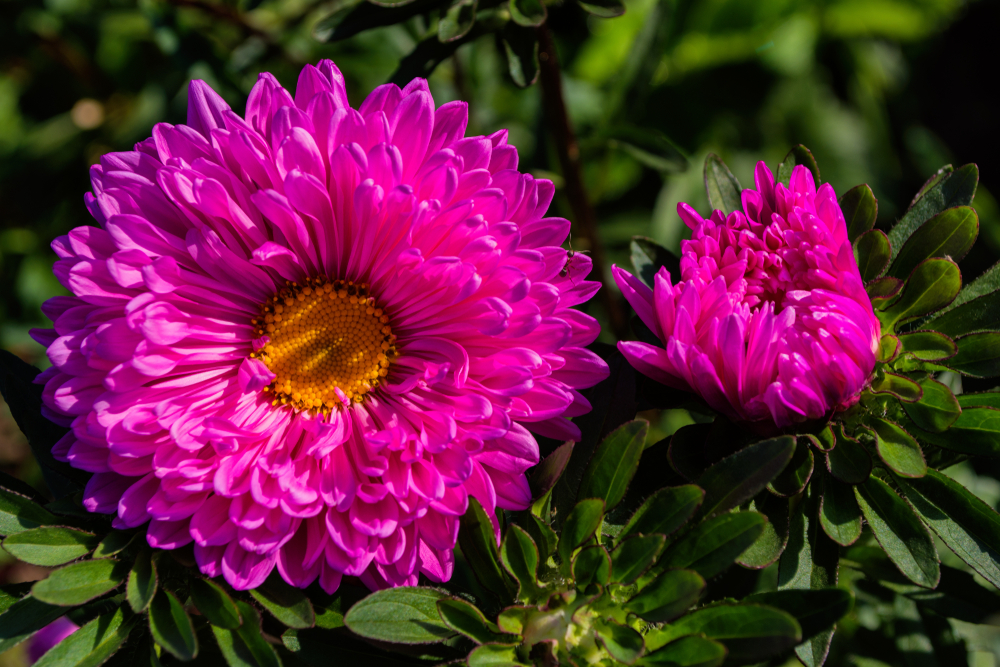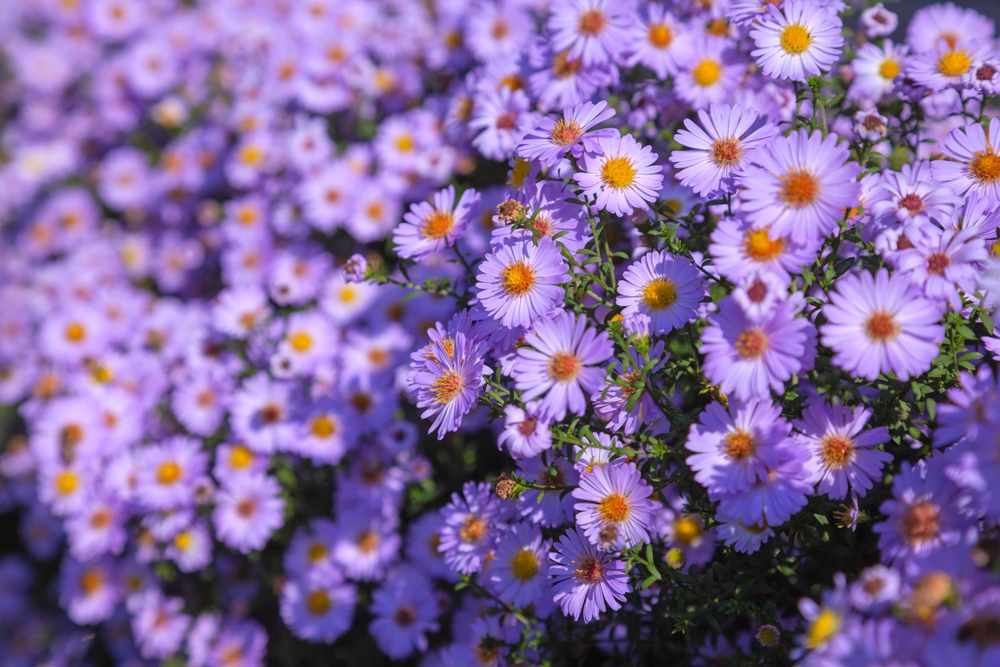
Asters are a total showstopper in any garden. These hardy perennials can grow into seriously impressive clumps if you give them the right spot. But here’s a pro tip: to keep them looking their best, you should give them a little “rejuvenation treatment” by dividing and transplanting them every two to three years.
Why should you divide your Asters?
When asters are happy, they really take off! Once your winter-hardy varieties have grown into a robust clump, it’s a great idea to split them up and move them to a fresh spot. This keeps the plant vigorous and helps ward off common diseases. Here are a few more reasons why dividing is a must:
- It’s the easiest way to propagate and get more plants for free
- It strengthens the overall health of the plant
- It prevents issues like powdery mildew and aster wilt
- It rejuvenates old, tired growth
- It keeps those beautiful blooms coming year after year
When and how to divide
I recommend dividing your asters every 2 to 3 years. You’ll know it’s time when the blooms start looking a bit sparse and the plant loses that lush, bushy shape. The best timing actually depends on which variety you have. As a rule of thumb, divide them after they finish blooming: divide Spring Asters in the summer, Summer Asters in early fall, and Fall Asters in late fall or very early spring. Just make sure the plant has been in the ground for at least two years and looks healthy before you start.
How to divide your perennials
Before you grab your shovel, you’ll want to pick out the perfect new home for your plants. To make sure both new sections thrive, look for a spot that checks these boxes:
- Full sun to partial shade
- Protected from harsh winds
- Nutrient-rich, well-draining soil
- Consistently moist (but not soggy!) soil
- No standing water
Once you’ve found the right spot, it’s go-time. Start by carefully digging up the plant with a garden fork. Make sure to give the root ball plenty of space so you don’t accidentally chop through the roots. Older asters can have pretty substantial root systems! Next, use a sharp spade or a garden knife to split the root ball into sections. Ensure each new piece has a good set of shoots attached. Before replanting, trim away any dried-out or damaged roots, as well as any woody stems or old leaves.
Plant your new divisions at the same depth they were growing before and give them a good soak. Keep a close eye on the water for the next two weeks—regular watering is key to helping them get established in their new home!