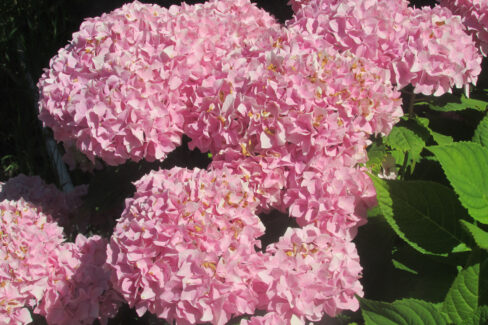
Once your hydrangeas have reached a certain size, they can start to take over your garden beds. The good news? You can easily manage their width by dividing the shrub. Not only does this keep the plant in check, but it’s also a fantastic way to get “free” plants to spread that gorgeous bloom elsewhere in your yard. Here are my favorite tips for successfully dividing your hydrangeas.
The Best Time to Divide
Timing is everything! You want to divide your hydrangeas while they are in their dormant phase. This ensures the roots can establish themselves without the stress of supporting active growth, leading to a healthy flush of new leaves later on. For the best results, aim for the fall. This is the easiest way to propagate your plants. Pro tip: Prune the shrub back by about a third before you start digging. It makes the whole process much less of a workout and makes the plant way easier to handle.
How to Divide Your Hydrangea
First, you’ll need to carefully lift the hydrangea out of the ground. A good rule of thumb is to dig a circle around the base that matches the width of the plant’s crown. Dig deep enough to get under the root ball, taking care not to damage the main root structure. Since hydrangeas develop a very tough, woody core, you’ll likely need a saw rather than just a spade to get the job done.
Step-by-Step Guide:
- Grab a sharp garden saw.
- Disinfect the blade before you start to prevent spreading disease.
- Saw the root ball right down the middle.
- Rub the cut surfaces with charcoal powder to protect them.
If you’re working with a massive root ball, you can even divide it into four sections. Once you’ve made your cuts, wrap the roots in burlap to keep them moist and replant all the sections the same day. At the new spot, dig a hole twice as wide as the root ball and make sure you leave enough space between plants.
Set the root ball in the hole, fill it back up with soil, and give your hydrangea a deep soak. Getting those roots established requires plenty of moisture! I also recommend adding a layer of mulch to help hold that hydration in. Then, just wait until spring to give your new hydrangeas their first round of fertilizer.