Willow branches are incredibly versatile. While many of us love using those fuzzy pussy willow stems for Easter decor, willow switches are also fantastic for DIY projects. If you’re looking for a weekend project, building a willow fence is a great way to add some rustic charm to your yard.
The Natural Beauty of a Willow Fence
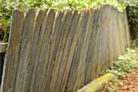
So, you’ve spent all that time making your garden look perfect, and now you need a fence to match? A natural wood fence often looks so much better than plastic or metal options. Willow rods are the perfect material for this kind of project. They’re great for framing flower beds or highlighting your herb garden. For a really magical look, you can even weave a “living” fence that continues to grow!
How to Harvest Your Willow
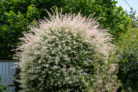
The best time to harvest your willow branches is between October and February. Willows are vigorous growers, so they won’t mind a winter haircut at all—they’ll bounce right back in the spring. Just a heads-up: avoid cutting them in the summer. Not only is it better for the tree’s health, but you also want to make sure you aren’t disturbing any birds nesting in the branches.
How to Build Your Willow Fence:
- Soak your willow rods in water first to make them nice and flexible.
- Loosen the soil where you want the fence so the cuttings can take root easily.
- Drive a few wooden fence posts into the ground to act as your frame.
- Plant the rods, weaving them alternately in front of and behind the posts.
- Continue weaving the rods together to create your fence structure.
- Trim off any messy, overhanging twigs.
- Give the area a good watering to help everything settle in.
Get Creative with Weaving Patterns
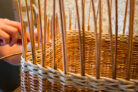
When it comes to weaving your willow, you don’t have to stick to a basic pattern. Depending on how you layer the rods around the posts, you can create some really cool textures. Feel free to look up inspiration online or use patterns you might know from other crafts like basket weaving.
If you want to take it to the next level, try using branches from different types of willow trees. They often come in different shades and colors, which can make your woven pattern really pop!