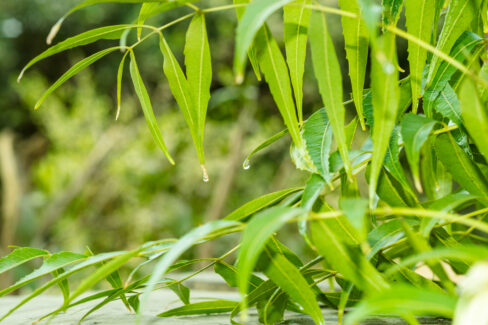
Willow trees are a staple in parks, backyards, and public spaces all over the place. There’s a good reason these beauties are a favorite for gardeners worldwide! If you’re curious about what makes these trees so special, here’s a breakdown of the key features and typical characteristics of the willow.
Botanical Classification
Willows come in a ton of different varieties—botanists estimate there are over 300 species across the globe. Even though they can look pretty different depending on the type, they all share some core traits. Here’s what you can generally expect if you’re planning to plant a willow in your own yard:
- Botanical Name: Salix
- Type: Deciduous tree
- Height: Can reach anywhere from 30 to nearly 100 feet
- Lifespan: Usually lives up to about 80 years
- Varieties: Available in both pure species and hybrid versions
Willow Leaves
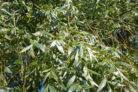
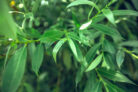
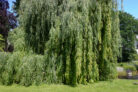
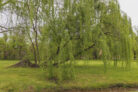
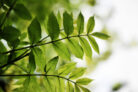
A willow tree is famous for its lush canopy made up of countless willow leaves. These elegant, slender leaves are usually a bright light green. However, if you have a Silver Willow, the leaves have a gorgeous shimmering effect that gives the tree its name—it looks absolutely stunning when the wind catches it!
- Leaf Shape: Lanceolate (long and narrow)
- Leaf Color: Light green or silvery
- Texture: The underside of the leaf is often slightly fuzzy or hairy
Willow Flowers
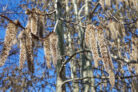
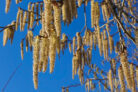
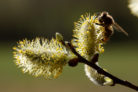
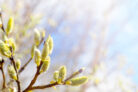
One of the biggest reasons people love this tree is the willow blossoms. Very early in the spring, the branches sprout “catkins.” These are soft, fuzzy little buds that look just like tiny bits of fur—which is exactly why they’re often called “pussy willows.” It’s a common tradition to snip a few branches to use as beautiful Easter or springtime decor.
- Bloom Time: Between March and May
- Shape: Catkins
- Gender: Dioecious (male and female flowers grow on separate trees)
- Pollination: Carried out by both insects and the wind
Ways to Use Willow
The willow is an incredibly versatile tree when it comes to processing its materials. From the flexible branches to the leaves and bark, almost every part of the tree can be put to use. It’s a “gift that keeps on giving,” providing materials for everything from home decor to traditional medicine.
- Willow Rods: The go-to material for weaving baskets, building rustic fences, and creating garden art.
- Leaves: Contain natural compounds used for pain relief and as a diuretic.
- Bark: Historically used in remedies for conditions like rheumatism.