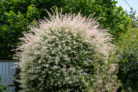
Don’t be afraid to get those pruning shears out! Most willow varieties are incredibly resilient and can handle a heavy cut without breaking a sweat. In fact, pruning them the right way is the secret to a gorgeous shape and vigorous new growth. Here’s everything you need to know about when and how to trim your willow to keep it happy and healthy.
This Tree is a Fast Learner (and Grower!)
Willows are famous for their impressive growth spurts. Because they grow so fast, they bounce back quickly even after a major haircut. You don’t have to worry about hurting the tree; a radical pruning session actually stimulates its natural growth drive. If you time it right and use the proper technique, your willow will reward you with a stunning display of blooms.
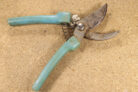
Timing is everything. The best time to prune your willow is on a cloudy, frost-free day in February. This gives the tree plenty of time to recover before the spring rush. Just make sure your tools are sharp and disinfected before you start to ensure clean cuts and prevent any diseases from spreading.
How to Prune Your Willow Like a Pro
If you haven’t pruned your willow in a few years, be prepared—you’re going to have a lot of branches to deal with! Trimming a large, overgrown tree can take some time, so don’t be afraid to grab a friend to help. With a little teamwork and these tips, you’ll get the job done in no time.
Here’s your step-by-step guide:
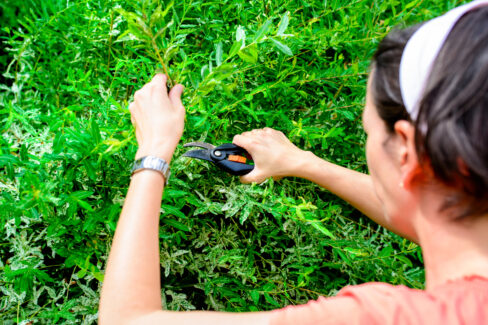
- Start from the outside and work your way in toward the trunk.
- Remove all dead wood and any branches that are crossing over each other.
- Don’t be shy—you can cut branches right back to the main trunk if needed.
- Make your cuts at a slight angle so rainwater can slide right off.
- Apply a pruning sealer to the larger “wounds” to help the tree heal.
- Use this opportunity to shape the canopy into the look you want.
At the very least, you should give your willow a good trim every six years. This keeps the crown looking sharp and allows for better airflow. Better circulation means the tree dries out faster after it rains, which significantly lowers the risk of fungal infections. Plus, it’s the best way to encourage those beautiful willow blossoms we all love!