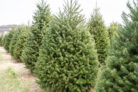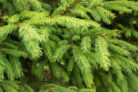
When it comes to spacing out your Douglas firs, you’ve got to think big—literally. It’s not just about how those cute little saplings look today; you have to keep their future size in mind, along with their distance from your house, walls, and underground utility lines. Here are my top tips for planning your layout so your trees have plenty of room to thrive.
How Douglas Firs Grow
Once a Douglas fir reaches maturity, it doesn’t just have a massive canopy; its root system spreads out even wider underground. That’s why it’s so important to plan for the right distance from other trees and structures right when you’re putting your saplings in the ground. So, how much space are we actually talking about?
A healthy, full-grown Douglas fir can develop a crown between 20 and 26 feet wide. That is seriously huge! Because of this, they aren’t the best fit for every backyard. But if you’ve got the acreage and can give one its own dedicated spot, a Douglas fir can be a stunning centerpiece for your landscape.
How Much Space to Set Aside
You definitely want to keep a respectful distance from your house or your neighbor’s property line. This saves you the headache of pruning back massive branches later or dealing with roots interfering with foundations or pipes. As a rule of thumb, plant them at least 10 feet away from structures, though giving them even more breathing room is always better.
When planning distances from other trees, keep these two things in mind:
- Check the projected height of the neighboring tree.
- Consider how wide that tree’s canopy will get.
You can actually plant Douglas firs as a hedge, too. If that’s your plan, aim for about 5 feet of space between each plant. Just a heads-up: a Douglas fir hedge is a lot of work! You’ll need to stay on top of pruning to keep them from towering too high and trim them regularly to maintain that hedge shape. Make sure to weigh your options before committing to a hedge so you can make the best choice for your garden.