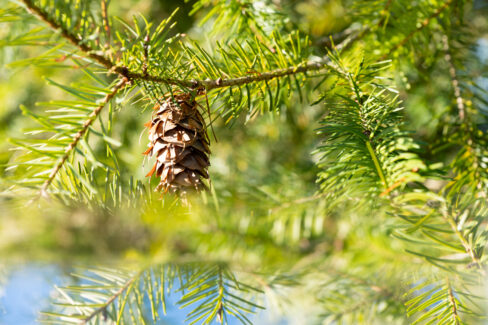
The Douglas fir is a true forest giant, especially as it reaches maturity. But even a tree this massive isn’t invincible. While they are generally tough, young or stressed trees can definitely fall victim to disease. Here’s what you need to look out for to keep your trees healthy.
Common Fungal Diseases in Douglas Firs
The Douglas fir isn’t actually a European native; it made its way over from North America a few hundred years ago. These days, Douglas firs grow incredibly well across many different regions. When they were first introduced, they didn’t have many natural enemies, but that has changed over time. Today, fungal infections are the primary threat to these evergreens.
Keep in mind that young Douglas firs are much more vulnerable to fungi than their fully-grown counterparts. This means you’ll want to keep a close eye on their appearance during the first few years after planting. If you catch a fungal issue early, you have a much better shot at treating it effectively.
The most common diseases you’ll run into are:
- Root rot
- Swiss needle cast (Rostige Douglasienschütte)
- Rhabdocline needle cast (Rußige Douglasienschütte)
How to Spot and Treat Tree Diseases
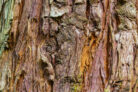
Root rot is caused by a fungus that hitches a ride into the tree through wounds in the bark. From there, it works its way down to the roots, causing them to decay. Once root rot takes hold, it’s very difficult to save the tree. Your best bet is prevention: be careful not to nick or damage the bark. Older trees develop a thick, corky bark that acts like a natural suit of armor against these fungi.
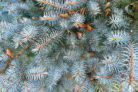
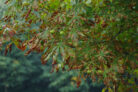
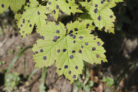
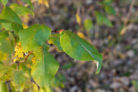
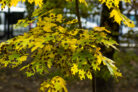
Needle cast diseases are also fungal in nature. You’ll know you have a problem when the needles turn yellow or reddish-brown and start dropping prematurely. If you see this happening, take it as a major red flag. If it’s “Swiss needle cast” (the needles turn a rusty yellow-brown), the tree usually survives just fine. However, “Rhabdocline needle cast” is much more aggressive. If you catch it early and prune away the infected branches immediately, you might save the tree. If left untreated, a severe infection can actually kill the tree within a single year.