Douglas firs are absolute showstoppers in the garden, keeping those lush green needles all year round. Even in the dead of winter, these trees look stunning against a snowy backdrop. If you’ve been curious about this popular evergreen, here’s the lowdown on its characteristics, growth habits, and what makes it so special.
Naming and Classification
Despite the name, the Douglas fir isn’t actually a “true” fir—it’s a unique member of the pine family. As you might have guessed from the name, this beauty is a North American native, though it’s become a common sight in European forests over the years too.
- Botanical Name: Pseudotsuga menziesii
- Common Name: Douglas Fir
- Also known as: Doug-fir or Oregon pine
Growth Habits
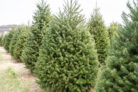
When you plant a Douglas fir, you’re dealing with a future giant. These trees develop massive root systems that keep them well-fed and stable, allowing them to reach incredible heights. If you put one in the right spot, it’s going to be there for a very, very long time.
- Lifespan: Usually around 400 years, but some old-growth trees can hit 800!
- Height: In Europe, they reach about 200 feet; in their native Pacific Northwest, they can get even taller.
- Growth Rate: They’re pretty fast growers, adding about 15-16 inches a year.
- Roots: They develop a mix of shallow and deep roots for maximum stability.
The Needles
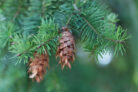
The long, soft needles are definitely the Douglas fir’s trademark. They stay on the tree year-round, giving it a full, lush look—provided the tree stays healthy and free from pests.
- Needle Color: Bright lime green when young, turning a deep blue-green as they age.
- Size: About 1.5 inches long.
- Scent: Here’s a pro tip—crush a few needles in your hand, and you’ll get a wonderful, intense citrus scent!
Flowers and Cones
Just like its cousins in the pine family, the Douglas fir produces flowers and cones. However, you’ll need a little patience; you won’t see these on baby trees right away.
- First Bloom: The tree needs to be about 15 years old before it starts flowering.
- Bloom Time: Usually between April and May.
- Gender: They are monoecious, meaning they have both yellow male flowers and reddish female flowers on the same tree.
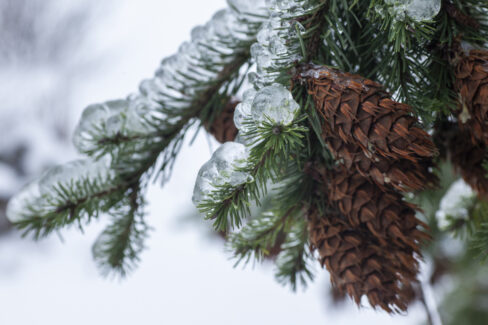
- Cone Color: A nice reddish-brown.
- Size: The cones are about 4 inches long.
- Seed Dispersal: Once the cones ripen, they fall from the tree and release their seeds to the wind.
Uses for Douglas Fir
One of the coolest things about Douglas firs? They aren’t toxic. In fact, they’re quite the opposite! Various parts of the tree have been used for medicinal purposes for ages. For example, Douglas fir seeds are actually edible. The needles are also popular in herbal medicine and are even used as an ingredient in high-end natural cosmetics.