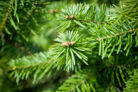
When pests decide to move in on your plants, it can spell real trouble. Young saplings, in particular, usually don’t stand a chance against a major infestation, but even a stressed-out old tree can start to struggle. Today, we’re looking at which critters pose the biggest risk to your Douglas Firs.
Spotting and Stopping Douglas Fir Woolly Aphids
Generally speaking, healthy Douglas Firs are pretty resilient. But if your tree is already dealing with frost damage or a fungal infection, it becomes an easy target. One pest that loves to take advantage of a weakened tree is the Douglas Fir woolly aphid (Adelges cooleyi). These little guys suck the sap right out of the needles.
Here’s what to look for if you suspect an infestation:
- Needles starting to twist or curl
- Gradual discoloration of the foliage
- The tree begins dropping its needles prematurely
If the infestation gets out of hand, you might need to consider pesticides. However, treating a massive tree isn’t exactly a walk in the park, and many gardeners aren’t crazy about spraying harsh chemicals in their own backyard. A better bet? Focus on prevention. You can strengthen your tree’s natural defenses by spraying organic mixtures like horsetail tea or fermented nettle juice.
Dealing with Bark Beetles
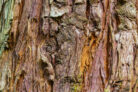
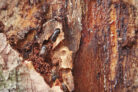
Bark beetles are another threat to watch out for, especially on trees that are already under stress. These pests spend the winter tucked away under the tree’s bark and start eating their way through the wood once spring hits. Usually, you’ll notice them in the crown of the tree first—keep an eye out for needles at the very top turning a reddish-brown color.
If a tree is infested, the best course of action is usually to cut it down. If you leave it standing, the beetles will just keep spreading, which can cause massive damage—especially if you have a larger wooded area. Bark beetles are a serious threat that foresters don’t take lightly, and they require quick action to stop the spread. The good news? A healthy, thriving Douglas Fir is much less likely to catch their eye.