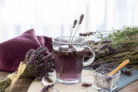
Dried lavender is such a versatile superstar for your home. Whether you’re stuffing fragrant sachets for your closet, crafting homemade soaps and bath salts, or whipping up a batch of lavender sugar and herbal teas, there’s so much you can do with it. But to get those professional-quality results, you’ve got to dry it the right way. Here’s my guide on how to do just that!
When is the best time to harvest lavender?
To get that amazing, full-bodied aroma, lavender needs to be dried properly. It all starts with the harvest. You’ll want to pick the right moment to snip those stems and then dry the lavender blooms under the perfect conditions. Only once they are bone-dry should you start your DIY projects.
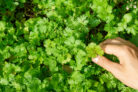
In warmer Mediterranean climates, lavender blooms a bit earlier than in our neck of the woods, so don’t worry if your harvest feels a little “late” compared to what you see online. The plant will tell you when it’s ready! The secret is to not wait until the flowers are in full bloom. You want to harvest when about half of the little buds on the spike have opened up.
Pick the right variety
If you’re planning on using lavender in the kitchen, variety matters! Not all lavender tastes the same. Some types have a perfect balance of herbal notes and essential oils, while others can taste a bit like soap (there’s a reason it’s nicknamed “washing herb” in some places!). For cooking and baking, English Lavender (Lavandula angustifolia) is usually your best bet for a sweet, floral flavor.
How to harvest your blooms
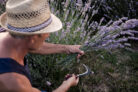
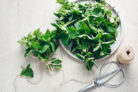
Grab a sharp pair of garden shears or a floral sickle. Pro tip: Disinfect your tools before you start! If they’re dirty, you could introduce bacteria to the plant’s fresh cuts. A little rubbing alcohol or garden disinfectant does the trick.
Make sure you harvest when the plants are dry. Pick a day without rain and head out in the morning (after the dew has evaporated) or in the early evening. You want to avoid any moisture from watering on the blooms, as this helps the drying process go much smoother. To lock in those fragrant essential oils, get them ready for drying immediately after cutting.
The best way to dry the flowers
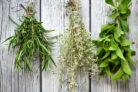
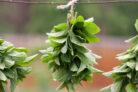
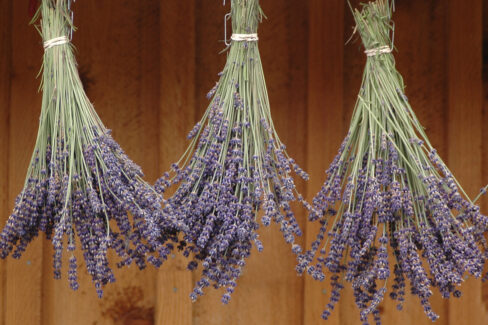
The classic “hang and dry” method is my favorite. Bundle your lavender stems together with some twine and hang them upside down. You’ll want to find a spot that is dark and well-ventilated. Ideally, the temperature should be around 100°F (38°C).
Lavender dries best in these conditions:
- A dark room
- Good airflow
- Temperatures above 85°F
Why dark? Because sunlight can cause those precious essential oils to evaporate, taking the scent with them. If you’re drying it inside your house, don’t stress too much about the exact temperature—just improvise! Attics or garden sheds are great spots, as long as it’s not too humid.
How to tell when your lavender is ready
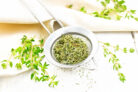
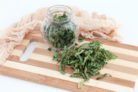
Usually, it takes about four days for lavender to dry completely. Give it the “crunch test”: touch the bundles, and if the leaves and flowers feel papery and rustle or crumble easily, they’re ready. You can then take the bundles down, strip the flowers for storage, or keep them in an airtight glass jar.
Fun ways to use your dried lavender
There are so many ways to use your harvest! You can strip the dried buds and fill small fabric bags. These scented sachets smell amazing in a bedroom and are great for keeping moths and mosquitoes away. They also make wonderful natural air fresheners for the bathroom. If you’re feeling crafty, try adding them to handmade soaps or bath salts.
In the kitchen, lavender is a staple of Provencal cooking. One of my favorite tricks is making lavender sugar: just layer sugar and dried lavender buds in an airtight jar. Let it sit, and the sugar will soak up that floral aroma—perfect for leveling up your desserts! And of course, you can always steep the buds for a relaxing cup of herbal tea.