Provençal cuisine is famous for its incredible flavors, and one of its secret weapons is lavender. Both the flowers and the leaves of the right plant can be used as a spice to level up your cooking. Here’s the lowdown on which varieties to pick and how to use them in your own kitchen.
Stick with English Lavender
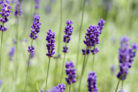
When you’re looking at different lavender varieties, “English Lavender” (Lavandula angustifolia) is your best bet for cooking. This variety is packed with essential oils that give dishes a lovely flavor profile similar to rosemary, even if you only use a tiny bit. On the flip side, you’ll want to avoid Spike Lavender—it tends to have a soapy aftertaste that can ruin a meal.
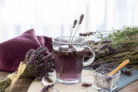
While technically most lavender types are edible, some have oils that are just way too intense. English Lavender is the gold standard for culinary use and is also the go-to choice for brewing herbal teas.
Savory Dishes and Meats
You’ve probably seen “Herbes de Provence” in the spice aisle, right? Lavender is a key ingredient in that classic blend. You can easily mix your own at home to add a floral punch to stews, pot roasts, or a traditional Ratatouille. It’s also a fantastic pairing for lamb or game meats.
Believe it or not, lavender even works wonders with fish. One of my favorite tricks is grilling feta or goat cheese and drizzling it with a bit of honey and a sprinkle of lavender. If you’re feeling adventurous, look up recipes for a French “Bouquet Garni”—edible lavender is often a star player in these herb bundles.
Sweet Treats and Desserts
Lavender isn’t just for savory dinners; it’s a game-changer for desserts, too. It adds a sophisticated floral note to all sorts of sweets. One of the easiest and most delicious things you can make is lavender sugar. Since edible lavender produces so many blooms, you’ll have plenty of material to work with!
How to Make Your Own Lavender Sugar:
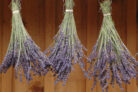
Pick your lavender flowers on a dry, sunny day. Let them dry out completely on a large cloth for a few days (or just buy pre-dried culinary lavender if you’re in a hurry). You’ll need some granulated sugar and an airtight container. Here’s the process:
- Pour a layer of sugar into the container.
- Cover the sugar with a layer of dried lavender flowers.
- Add another layer of sugar on top.
- Keep layering until the container is full.
The sugar will naturally absorb that wonderful lavender aroma over time. You can use this specialty sugar to elevate simple dishes like rice pudding, whip up an exquisite Crème Brûlée, or even make homemade lavender ice cream. The possibilities are endless!