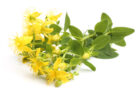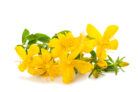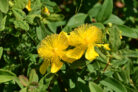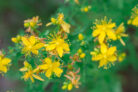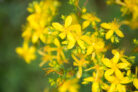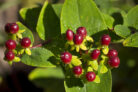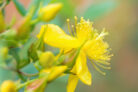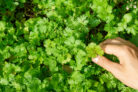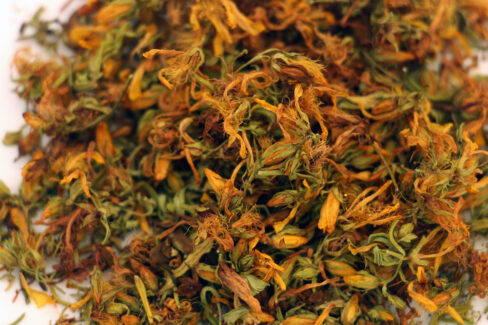
St. John’s Wort is at its peak medicinal power when it’s in full bloom, but that perfect window only happens during the height of summer. Since it only flourishes like this for a few weeks, it’s the perfect time to stock up for winter by drying your own supply at home.
How to harvest St. John’s Wort the right way
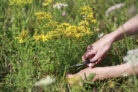
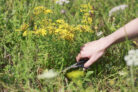
The blooming season usually kicks off around late June and runs through August. If you harvest during this window, you’ll capture the highest concentration of those beneficial active compounds. Now, if you try to pick just the tiny yellow flowers by hand, you’re going to be there all day! It’s much faster to use garden shears to snip off entire stems—plus, the leaves are great to use, too. For the best results, head out on a dry, sunny morning once the dew has evaporated.
Quick Tip:
When pruning, only take the top 8 inches (20 cm) of the stems. This ensures the perennial plant keeps enough foliage to stay strong and healthy for next year.
Cleaning your St. John’s Wort
Try to be picky while you’re harvesting—look for stems that are already pretty clean. You can gently shake off any bits of dirt or wandering bugs later, but whatever you do, don’t wash the herbs! Water washes away the delicate oils and aroma. This is why it’s so important to harvest in a “clean” spot, far away from busy roads or popular dog-walking paths. Of course, growing it in your own backyard is the safest bet!
A word of caution:
If you’re foraging in the wild, be careful not to confuse St. John’s Wort with Tansy Ragwort, which is toxic. Always double-check a field guide or photos before you start picking.
Air-drying your harvest
If you’re just drying individual flowers, spread them out on a tray lined with newspaper and keep them in the shade. For whole stems, the “bundle method” works best:
- Tie several stems together into small bouquets.
- Hang them upside down to dry.
- Choose a spot that is shady and has good airflow.
- Keep them out of direct sunlight (which can bleach the nutrients).
- Let them dry for about two weeks.
- Test them: if they rustle like paper and snap easily, they’re done!
Pro Tip:
If you have a food dehydrator, you can use that for a gentle dry—just keep the temperature below 104°F (40°C). An oven set to its lowest possible setting with the door propped open slightly works in a pinch, too.
How to use your dried herbs
Dried St. John’s Wort is incredibly versatile. While most people think of tea first, you can also use it to make homemade salves, tinctures, or even herbal incense. It’s even a unique addition to the kitchen—try using it as a savory seasoning for salads, stews, and soups!