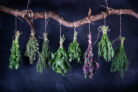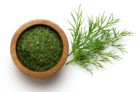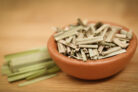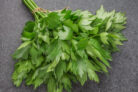
As soon as those first warm days of spring hit, your garden starts working overtime. If you’ve picked the perfect spot for your herb garden, you’ll probably find that your plants are growing way faster than you can cook with them! It would be a total shame to let all those fragrant essential oils go to waste, right? Luckily, drying and freezing are great ways to hit the “pause button” on your harvest so you can enjoy that homegrown flavor all year long.
To Dry or to Freeze? That is the Question
The list of culinary herbs is huge, and while they all taste amazing fresh, some handle preservation better than others. It’s always a good idea to check what works best for each specific plant. For instance, chervil and cilantro lose almost all their punch when dried—you definitely want to freeze those. Dill and parsley also keep their “fresh” vibe much better in the freezer. On the flip side, woody herbs like thyme and rosemary stay incredibly flavorful when dried; some even say they taste more intense! As for basil? That’s a bit of a debate among gardeners. My advice: try both and see which you prefer.
Timing Your Harvest for Maximum Flavor
The secret to great preserved herbs is starting with the best possible ingredients. The more aromatic they are when you pick them, the better they’ll taste later. You’ll want to pay attention to the season, the plant’s growth stage (try to harvest before they flower!), and even the time of day. Even the weather—sunny vs. rainy—can change the oil concentration in the leaves. Every herb has its own “sweet spot” for harvesting.
How to Dry Your Herbs the Right Way
You’ll want to start the drying process immediately after cutting your herbs. Try to harvest clean stems so you don’t have to wash them; too much water can wash away those precious oils or cause mold during drying. Usually, a gentle shake is enough, or you can give the plants a quick spray with the hose the day before you plan to harvest. If you absolutely must wash them, use cool running water and pat them bone-dry with paper towels. Make sure to toss out any wilted or damaged bits.
You can air-dry them (away from direct sunlight), use an oven, or a dehydrator. The golden rule is to keep the heat as low as possible—around 95°F (35°C) is perfect. Once they’re completely brittle and cooled down, pop them into airtight containers and store them in a cool, dark place.
Pro Tip:
If you’re using your oven, prop the door open just a crack to let the moisture escape.
Freezing Your Herb Harvest
Whether you have a surplus from your garden bed, your balcony planters, your windowsill, or even just some leftovers from the grocery store, freezing can keep them fresh for about a year. Here’s the play-by-play:
- Clean the herbs and pat them dry.
- Pick out any bruised leaves.
- Chop them up finely.
- Pack them into freezer-safe containers in small portions.
- Label them and toss them in the freezer.
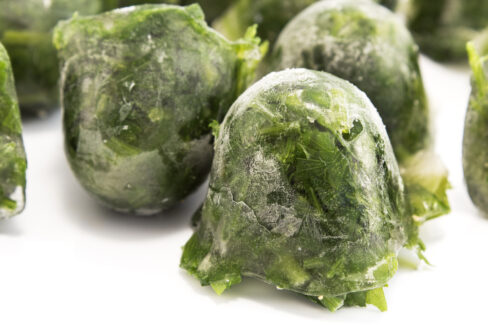
- Bonus: You can also freeze them in ice cube trays with a little water or oil for easy cooking portions!
Pro Tip:
Basil can get pretty slimy and bruised when you try to chop it fresh. To avoid the mess, put whole leaves into a freezer bag. Once they’re frozen solid, just scrunch and knead the bag with your hands. The leaves will shatter into perfect little pieces without the bruise!