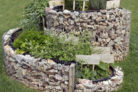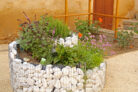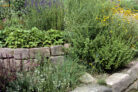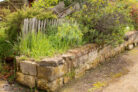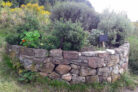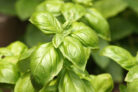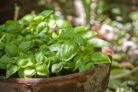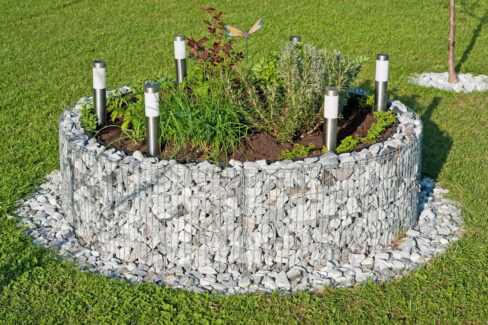
Basics like basil are a must-have for any home cook. If you’re currently sketching out a planting plan for your brand-new herb spiral, I’d bet money that basil is right at the top of your list. But here’s a little pro tip: a herb spiral actually isn’t the best home for this popular herb. It really needs its own special spot to thrive.
Basil is a bit of an outlier
We all associate basil with Italian cooking, so it’s easy to assume it’s a typical Mediterranean herb. And while it definitely grows all over the Mediterranean today, its true roots are actually in the tropical climates of Africa and South America. It does share one big thing in common with Mediterranean favorites like oregano, rosemary, sage, and thyme: it absolutely craves sun and warmth. However, while those other herbs love dry, sandy, nutrient-poor soil, basil is a “hungry” plant that demands moist earth and plenty of nutrients.
Basil in the Mediterranean Zone
The very top of a herb spiral is known as the Mediterranean or “dry” zone. If your spiral is in a full-sun location and has the right orientation, this spot gets the most light and heat. It’s also filled with well-draining soil to keep things on the drier side. Because basil loves the sun, it’s tempting to plant it right at the peak. But if you do, your basil will likely struggle with “dry feet” and a lack of nutrients.
If you try to fix the problem by watering and fertilizing more often to keep the basil happy, you’ll end up hurting the neighboring plants that actually prefer the dry, lean soil. Plus, since most basil is an annual that needs to be replanted every year, you’ll be digging around in the soil and disturbing the roots of your perennial herbs—something they really don’t appreciate!
What about the Moist Zone?
The bottom of the spiral, or the “moist zone,” has the damp soil basil likes. It’s also usually rich in nutrients since this area is filled with loamy soil and compost. The downside? Depending on the height of your spiral, the basil might not get enough direct sunlight down there. Even worse, the moist zone is a magnet for slugs, and let’s be honest—basil is basically a five-star buffet for them.
The best alternative spots for your basil
If you want a massive harvest of lush leaves, it’s best to give your basil its own dedicated space where it can be the star of the show. Here are a few great options:
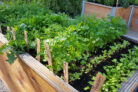
- Sow it in a separate garden bed outside of the herb spiral.
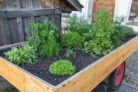
- Use a dedicated pot or a separate planter stone.
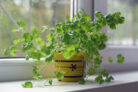
- Grow a mini windowsill herb garden right in your kitchen.
- Plant it in a balcony planter box.
Quick Tip:
Don’t worry if you end up with more basil than you can eat fresh! Basil is one of those herbs that freezes really well. Just keep in mind that frozen basil loses its texture, so it’s best used for cooked dishes, sauces, or soups rather than as a fresh garnish.