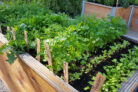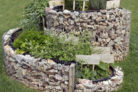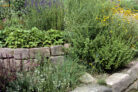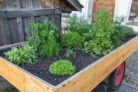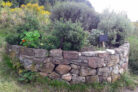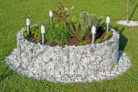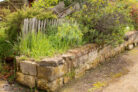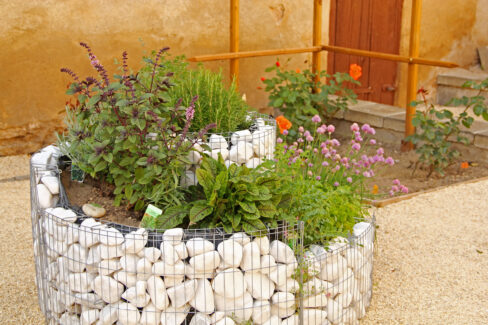
In a herb spiral, the goal is to have a whole variety of herbs living happily side-by-side. We’re talking about plants that don’t just look different, but also have totally different needs when it comes to sunlight and soil. To get that lush, abundant harvest we’re all dreaming of, you’ve got to pick a spot that checks all the boxes for every plant in the spiral.
Most Herbs are Total Sun-Worshippers!
If you look at a list of the most popular herbs for a herb spiral, you’ll notice a trend: most of them love the sun. Mediterranean herbs, in particular, need that direct heat to produce those fragrant essential oils we love. Think of favorites like:
- Sage
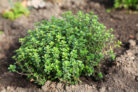
- Thyme
- Rosemary
- Lavender
Because of this, your herb spiral should ideally sit in a full-sun spot in your yard, with the opening facing south. The cool thing about the spiral shape is that even though it’s in the sun, you can still grow herbs that prefer partial shade—you just tuck them onto the north-facing side of the structure. That’s why it’s so important to know which herb goes where.
Pro Tip:
Try building your herb spiral out of fieldstones. They soak up the sun’s heat during the day and slowly release it at night, keeping your plants cozy.
Watch Out for Wind (and Don’t Sweat the Soil)
When you’re setting up your herb garden, try to avoid super windy, exposed areas. Mediterranean herbs are a bit sensitive; a freezing winter wind can damage them pretty quickly.
The good news? You don’t need to worry about the existing soil quality in your yard. Once the structure is built, you’ll be filling the spiral with a custom soil mix anyway. If your backyard dirt is great, use it! If not, just mix in some high-quality potting soil, compost, and sand to get the perfect texture.
Don’t Underestimate the Footprint!
Most gardening experts recommend a footprint of about 30 to 60 square feet for a herb spiral. That usually works out to dimensions like 6×5 feet or 6×10 feet. Just remember: the more varieties you want to grow, the more “real estate” you’re going to need.
Keep Your Kitchen Close
If you can, place your herb spiral near the kitchen. Trust me, your future self will thank you! When you’re in the middle of cooking and realize a dish needs a pinch of fresh basil or thyme, you want to be able to grab it in seconds so nothing burns on the stove.