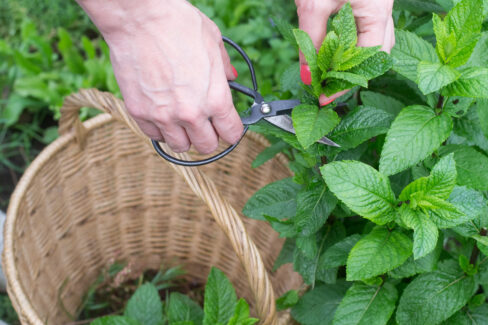
We plant herbs to add that perfect aromatic punch to our cooking, which means our garden shears usually get a lot of a workout! For many varieties, regular harvesting is all the TLC they need. However, for other types, a strategic pruning session can be the secret to boosting vitality and encouraging even more lush growth.
Annual Herbs Don’t Need a Major Haircut
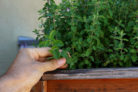
Annual herbs don’t really need “shaping.” You can simply harvest them continuously until the first frost hits. Just keep an eye on the clock—some varieties lose their flavor once they start flowering, so you’ll want to pick those before the blooms appear. Instead of just plucking individual leaves, try cutting off entire stems; this actually stimulates the plant to produce new growth. Also, make sure to pinch off any yellow or wilted leaves as soon as you see them. When autumn rolls around, go ahead and harvest everything so the frost doesn’t get to it first. You can freeze or dry your haul, juice them fresh, or find other creative ways to preserve that summer flavor.
Pruning Perennial Herbs
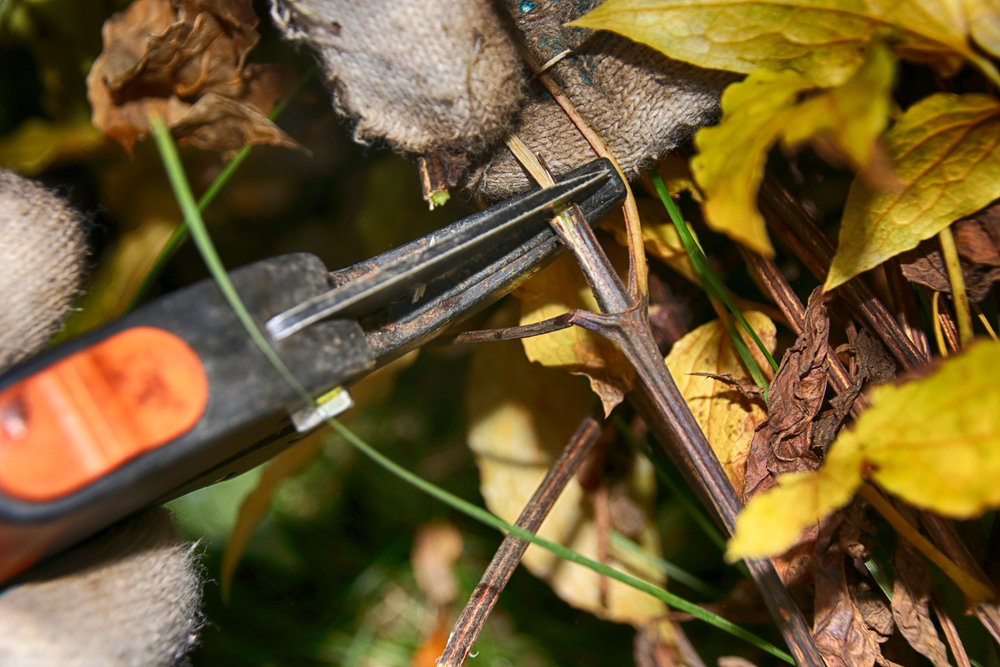
Perennial herbaceous plants like lemon balm or chives sprout fresh from the base every spring. Last year’s stems aren’t much use anymore and just take up valuable real estate. It’s best to clear them out early so the new growth has plenty of room to breathe. Plus, leaving old, soggy stems around can lead to mold or just make your garden look a bit messy.
While some tidy gardeners like to cut everything down to the ground in the fall, many pros now suggest waiting until spring—especially if you live in a colder climate. Those old stems actually act as a natural winter coat for the plant’s crown. This way, you don’t have to worry as much about covering your herb bed with fleece or extra mulch.
Trimming Subshrubs (The Woody Herbs)
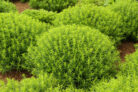
Lavender, rosemary, sage, and thyme are what we call “subshrubs.” This means they get woody at the base while the outer tips stay soft and green. To keep them from becoming a tangled, woody mess and losing their shape, they need a regular trim. This is also great for your harvest, as pruning encourages the plant to branch out. Here’s how to do it right:
- Prune your subshrubs once a year.
- The best time is spring, just before the new growth starts.
- Wait until the danger of a hard frost has passed.
- Remove any dead or damaged stems entirely.
- Shorten healthy stems by one-third, or two-thirds at most.
- Pro tip: Never cut back into the old, bare wood—it might not grow back!
- Always use clean, sharp shears.
- Follow the plant’s natural shape; a rounded, dome-like shape usually looks best.
Quick Tip:
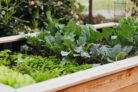
If you have Mediterranean herbs in a raised bed, they are even more vulnerable to freezing temperatures. They can usually only overwinter in a raised bed during very mild winters. If it gets really cold where you live, consider moving them into pots and bringing them into a cool, frost-free spot indoors for the winter.
The Summer Touch-Up
If your herbs are in a prime location with lots of sun, they might grow so fast that a second summer trim is a good idea to keep them compact. For lavender and sage, cutting them back to the first set of healthy leaves after the first bloom can actually encourage a second flowering. It takes a little extra time to redirect the plant’s energy from making seeds to making flowers, but the results are totally worth it!
Prepping Herbs in the Kitchen
When it’s time to cook, try not to “chop” your herbs aggressively. If you bruise them, they lose those precious essential oils on the cutting board instead of in your food. Instead, use a very sharp knife and a smooth, rocking motion to slice them finely. It might feel a little fancy at first, but once you get the rhythm down, it’s the best way to keep all that flavor intact!