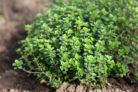
If you’ve got a bumper crop of thyme in your garden, you’re in luck! Thyme is one of those versatile herbs that’s super easy to preserve, whether you prefer freezing it or drying it out. Both methods will keep your herbs fresh for up to a year, but here’s a pro tip: drying actually makes thyme’s flavor even more intense. Let’s walk through how to save your harvest so you can enjoy that homegrown taste all winter long.
What’s the Best Way to Freeze Thyme?
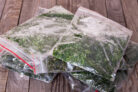
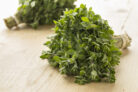
Once you’ve harvested your thyme, you’ll want to use it or preserve it as soon as possible to lock in the flavor. To freeze it, give the sprigs a good rinse and pat them completely dry. Then, pluck the leaves off the stems and chop them to whatever size you like. Toss them into an airtight container and pop it in the freezer. You can use:
- Small freezer-safe containers
- Ice cube trays
- Freezer bags
Ice cube trays are my personal favorite for easy portioning. Just fill the slots with thyme and add a little water or olive oil so you can drop a “herb cube” right into your pan while cooking. You can even mix in other herbs to create your own custom kitchen-ready blends!
How Do You Dry Thyme Properly?
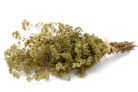
If you prefer drying your thyme, speed is also key—get started right after harvesting. Fun fact: thyme flowers are also great for drying! To avoid any mold issues, it’s best to cut your thyme on a dry day once the morning dew has evaporated. Skip the washing if you can; just give the stems a good shake and brush off any dirt with your fingers. Keep the leaves on the stems for the drying process. You’ve got three main options here:
- Air drying
- In the oven
- Using a dehydrator
Air drying is the most “set it and forget it” method, though it takes about four weeks. Just bundle a few stems together with twine and hang them upside down in a dark, dry spot. If you’re in a hurry, an oven or dehydrator can get the job done in just a few hours at around 100°F (40°C). If you’re using the oven, prop the door open just a crack to let the moisture escape.