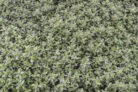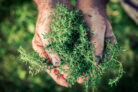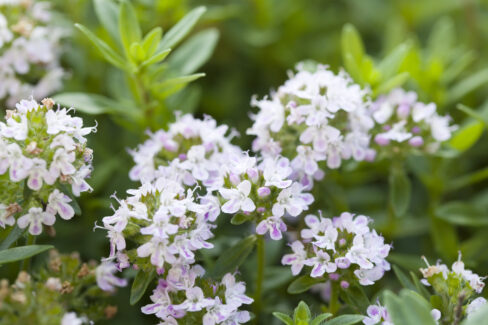
Thyme is a real garden superstar, showing off with beautiful white or pink blossoms that aren’t just pretty to look at—they’re actually delicious and totally edible! Even when your thyme is in full bloom, you can keep right on harvesting those leaves. Plus, your local bees and butterflies will thank you, as these flowers are a major magnet for pollinators.
When does thyme actually bloom?
With hundreds of different varieties out there, thyme timing can vary a bit. Generally, you’ll see those first flowers pop up in June or July, and they can stick around all the way through October. If you’re looking for the punchiest flavor, the leaves are at their peak aromatic intensity right before the plant blooms. That’s the perfect time to do a big harvest and preserve some for later. But don’t worry—if your plant is already flowering, the leaves are still perfectly safe and tasty to eat.
Can you really eat thyme flowers?
You bet! Thyme flowers are 100% edible. You can even dry them and they’ll keep most of their signature flavor, though they definitely taste best when they’re fresh-picked. For the best flavor, try to harvest them on a dry day around lunchtime, right after the buds have opened. Here are a few fun ways to use them:
- Tossed fresh into salads or sprinkled on avocado toast
- As a gorgeous garnish for dinner plates
- Mixed into summer cocktails or fruit punches
- Candied and used to decorate cakes and pastries
How should you harvest thyme flowers?
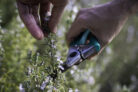
To keep your thyme plant happy and healthy, you’ll want to give it a regular, even trim. This keeps the plant looking young, bushy, and compact rather than leggy. While the main pruning for this hardy herb usually happens in the spring, a little maintenance goes a long way.
To encourage fresh new growth, go ahead and snip off older stems and the spent flower heads. Just a pro-tip: avoid cutting back into the woody parts of the stem. Thyme won’t grow back from old wood, so staying in the green growth is key to preventing your plant from getting “bald” spots. If you decide to leave a few flowers alone, they’ll eventually produce seeds, which you can collect if you want to propagate even more plants for next year!