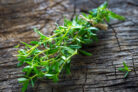
Lots of wild plants—including the humble dandelion—hit their peak in the summer. This is the best time to get out there and harvest those bright yellow blooms. But what if you want to enjoy those healthy benefits during the winter, or you just want to get ahead of the game for next season? Your best bet is to preserve your harvest by drying or freezing it.
How to Preserve Dandelion the Right Way
If you’ve harvested a big haul of dandelion leaves or flowers, drying is usually your best option. For the leaves, simply tie them together in small bundles and hang them upside down in a breezy, shaded spot.
You can do something similar with the flowers, but first, make sure to remove the stems (and that sticky milky sap). Since you can’t really hang individual flower heads, just spread them out on some newspaper and let them air dry.
Pro tip: If you’re short on time, you can pop both the leaves and the flowers into a food dehydrator. Just keep the temperature low—somewhere between 85°F and 105°F (30° to 40°C) is the sweet spot.
Why Freezing Can Get a Little Messy
Generally speaking, I don’t usually recommend freezing dandelions, and here’s why: the leaf structure is just too delicate. When you thaw them out, they tend to turn into a wet, limp mess.
It’s definitely not the most appetizing look, even though the plant keeps all its healthy nutrients. Plus, if you’re harvesting for pets like guinea pigs or rabbits, they usually won’t touch the thawed-out, mushy stuff anyway.
Step-by-Step: How to Freeze Dandelion
If you still want to give freezing a shot, here’s the best way to do it:
- Give every leaf a good cleaning.
- Chop them up into small pieces.
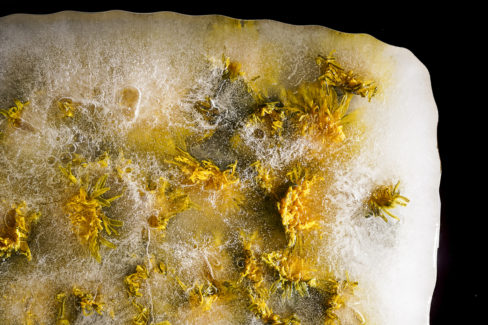
- Fill an ice cube tray with water and drop the chopped leaves in.
- Freeze them for at least three hours.
- These “dandelion cubes” are perfect for tossing into stews and soups for a nutritional boost.
Dandelion roots, on the other hand, actually freeze quite well and stay pretty firm. Just wash them thoroughly and slice them into half-inch pieces before freezing. Alternatively, you can grate the roots and store them in a freezer bag.