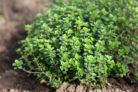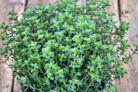
Technically, you can harvest thyme all year round. But if you want to keep this kitchen favorite happy and healthy for the long haul, the trick is to prune it evenly. This keeps the plant looking lush and bushy while preventing it from getting leggy or woody at the base.
When is the best time to harvest thyme?
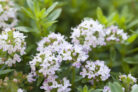
If you’re looking for that punchy, signature flavor, try to harvest your thyme just before it starts blooming. Don’t worry if you see flowers, though—blooming thyme is perfectly safe to eat; it’s just a little milder. You can even toss the blossoms into your dishes! For the best results, pick your leaves in the late morning once the dew has dried. If you’re after the flowers specifically, wait until a dry afternoon when they’ve just fully opened for the best aroma.
Even though thyme is a hardy herb, you’ll want to stop any heavy pruning by late August. This gives the plant enough time to toughen up before the winter chill sets in. It is a good idea, however, to remove the seeds. This prevents the plant from self-seeding all over the garden and lets you propagate new plants exactly where you want them.
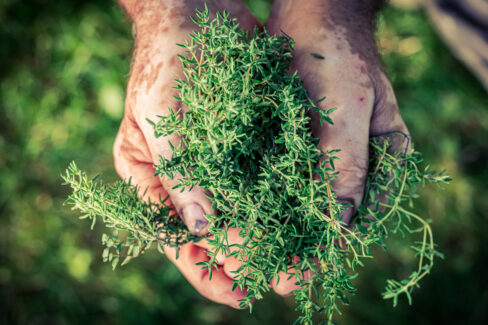
How do you harvest thyme?
To keep your thyme thriving as a perennial for years to come, keep these tips in mind:
- Prune evenly across the plant
- Harvest regularly
- Avoid cutting back into the old, woody stems
- Collect the seeds or
- Trim back spent flower heads
- Propagate new plants in good time
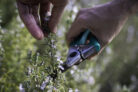
Regular harvesting actually encourages the plant to grow into a nice, full bush. Plus, it stimulates fresh new growth, which tastes way better than the old stuff. While you’re at it, trim away older (but not yet woody) stems to keep the plant “young.” A little bit of shaping in the spring also goes a long way.
If you want to grow your own thyme from scratch, the seeds are your best friend. Once they are hard and ripe, pick them on a dry day. Let them dry out completely and store them in a paper bag until spring. If you aren’t interested in saving seeds, just snip off the flower heads—it saves the plant a lot of energy!
How do you store thyme after harvesting?
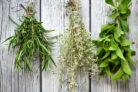
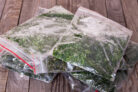
If you’ve harvested more than you can use for tonight’s dinner, thyme is incredibly easy to preserve. To keep that flavor fresh, try to process it as soon as possible. Freezing and drying are the most popular methods, but thyme also tastes amazing infused in vinegar or oil. Just be gentle with the sprigs—you don’t want to bruise or crush them before they’re preserved!