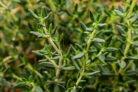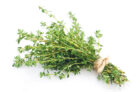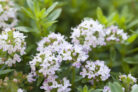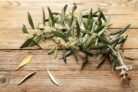
Thyme is a total powerhouse in the garden and the kitchen. With its earthy, robust flavor, it’s a staple in many dishes and a key player in the famous Herbes de Provence blend. But it’s not just for cooking—thanks to its natural healing properties, it’s been used medicinally for centuries.
How do you use thyme in the kitchen?
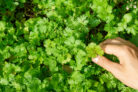
Thyme has a very intense aroma that’s often described as slightly spicy with a hint of bitterness. The great thing is that it’s super easy to preserve your harvest, whether you choose to freeze it, dry it, or infuse it in oil. No matter how you plan to use it, try to harvest your thyme in the late morning. That’s when the essential oils—which give the herb its signature flavor—are at their peak.
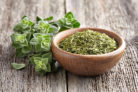
Unlike many other herbs, thyme actually keeps its flavor beautifully after drying. In fact, it becomes even more concentrated! Plus, it retains almost all of its vitamins and minerals. Just a heads-up: if you’re cooking with dried thyme, use a lighter hand since it’s more potent than fresh. If you’re using frozen thyme, you can swap it 1:1 with fresh.
What dishes pair best with thyme?
Thyme is incredibly versatile, whether you’re using fresh sprigs or dried leaves. Its bold profile means it can carry a dish all on its own, but it also plays very well with other herbs. And here’s a pro tip: the flowers are edible too! Thyme is a perfect match for:
- Meat, especially slow-cooked roasts and stews
- Fish
- Roasted vegetables
- Hearty soups
- Fresh salads
- Homemade herb butter
What are the medicinal benefits of thyme?
Long before this Mediterranean favorite became a kitchen staple, the ancient Egyptians were using it as a preservative and healing herb. By the 12th century, it had made its way into German medicinal records and was widely known across Europe by the late Middle Ages. Historically, it was used for:
- Respiratory issues
- Digestive problems
- Mummification processes
- Ceremonial offerings
- Supporting women during childbirth
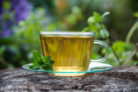
Even today, thyme is officially recognized for its medicinal properties (it was even named “Medicinal Plant of the Year” back in 2006!). It has natural antibiotic and disinfectant qualities. It’s a go-to for respiratory health—brewing a cup of thyme tea can do wonders for a stubborn cough. It also helps soothe the digestive system, which is why it’s often paired with “heavy” meals like rich meats or cabbage.