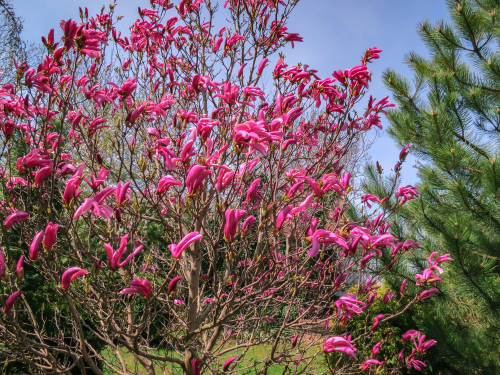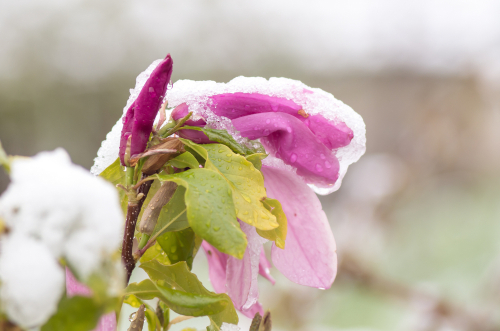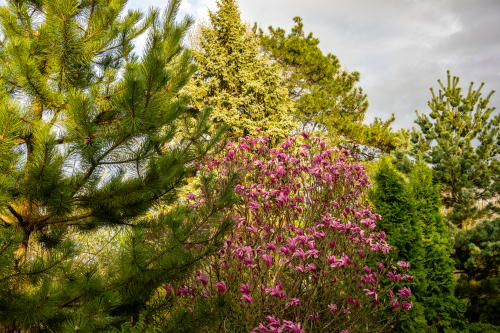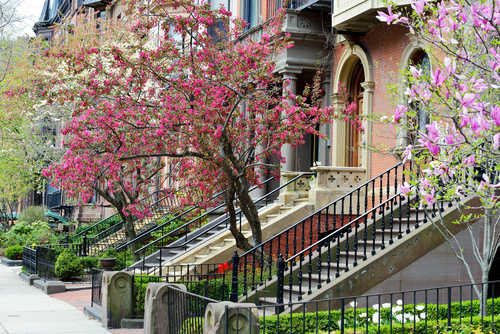
With about 200 different species out there, many magnolias eventually grow into massive, majestic trees reaching up to 80 feet tall. But don’t let that intimidate you! There are plenty of magnolias that stay small and shrub-like even when they’re fully grown. These compact varieties are actually perfect for planting in large containers or smaller patio spaces.
Star Magnolias: The perfect “forever small” choice
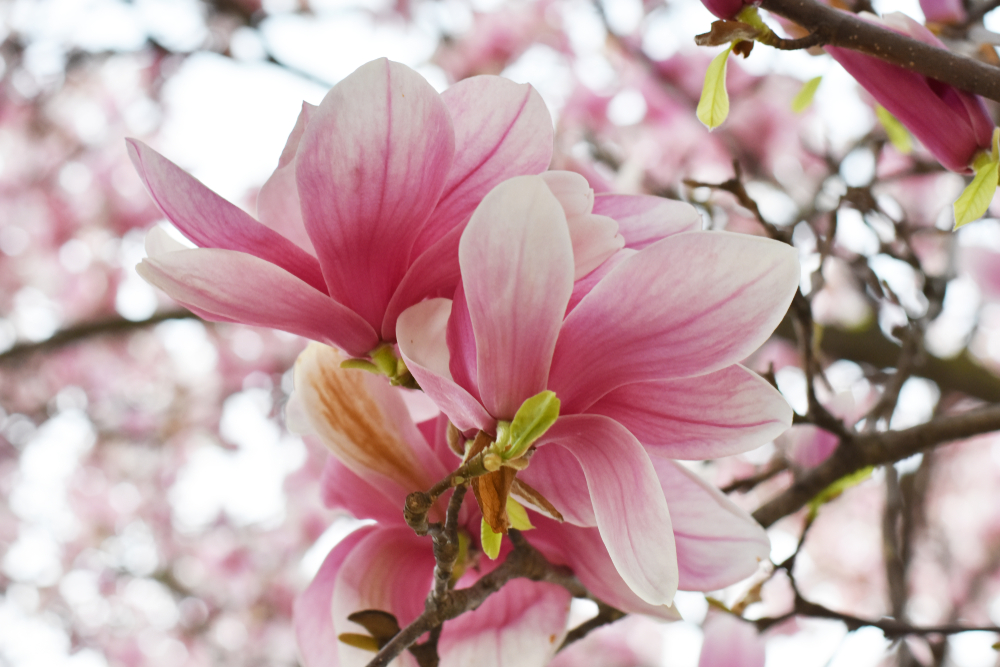
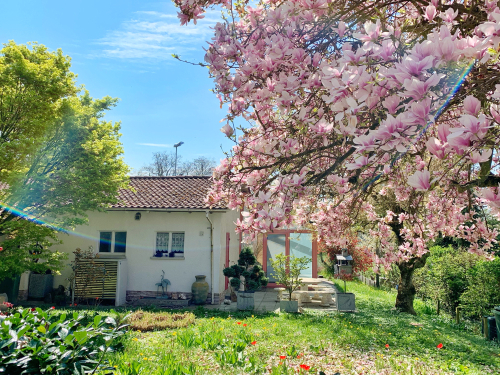
When you’re planning your garden layout, it’s not just about the height—you’ve got to think about the width, too. Magnolias tend to spread out almost as wide as they are tall over the years. Since they are long-lived and grow relatively slowly, it might not seem like an issue at first, but space can get tight down the road. To avoid a crowded garden, I highly recommend the Star Magnolia (*Magnolia stellata*). These beauties usually top out between five and ten feet, making them super manageable.
Other compact magnolia varieties to consider
If the Star Magnolia isn’t quite your style, there are several other varieties that stay on the smaller side. Here are a few of my favorite “low-profile” picks:
- Burgundy (Saucer Magnolia) – 10 to 16 feet
- Caerhays Surprise (Lily Magnolia) – up to 16 feet
- Satisfaction (Saucer Magnolia) – up to 6.5 feet
- Pickard’s Garnet (Saucer Magnolia) – up to 13 feet
- Centennial (Star Magnolia) – up to 10 feet
- Sunsation (Hybrid) – up to 10 feet
- Darkest Purple (Lily Magnolia) – up to 8 feet
- Ian’s Red (Hybrid) – up to 16 feet
- Genie (Saucer Magnolia) – up to 16 feet
A word of advice: Don’t rely on pruning!
It’s easy to fall in love with a specific bloom and think, “I’ll just buy the big tree and keep it small with pruning.” Trust me, that’s usually a recipe for heartbreak. Magnolias don’t take well to heavy shearing; it often ruins the next season’s flowers and can trigger “water sprouts” (those awkward, vertical shoots). Your best bet is to choose a variety that fits your planting spot naturally so it has plenty of room to show off its full potential.