With about 200 different species out there, magnolias hail from all over Asia and the Americas. Because they come from such diverse backgrounds, their tolerance for different climates varies wildly. If you’re looking to plant one in your backyard, you’ll want to make sure you’re picking a variety that can actually handle the local weather.
Look for Cold-Hardy Varieties
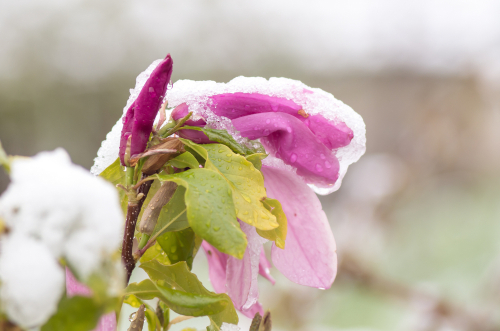
While plenty of magnolia species prefer a tropical vacation, don’t worry—most of the trees you’ll find at your local nursery are specifically chosen because they can handle a chilly winter. Just like your favorite deciduous shade trees, most magnolias drop their leaves in the fall to hunker down for the cold (unless, of course, you’ve got an evergreen variety). For these hardy types, a bit of frost is no big deal.
Best Species for Cold Climates
If you live somewhere with freezing winters, these varieties are absolute rockstars when the temperature drops:
- Lily Magnolia (Magnolia liliiflora) ‘Nigra’: Hardy down to -11°F
- Lily Magnolia (Magnolia liliiflora) ‘Susan’: Hardy down to -17°F
- Saucer Magnolia (Magnolia soulangiana) ‘Genie’: Hardy down to -11°F
- Star Magnolia (Magnolia stellata) varieties: Hardy down to a bone-chilling -22°F
Protecting Your Young Trees
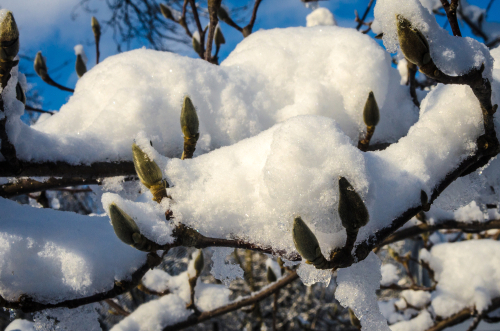
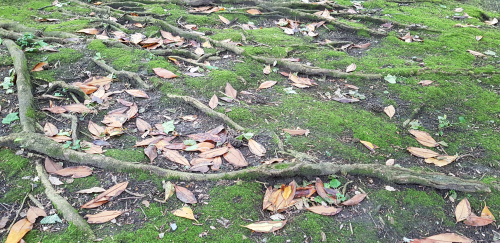
Once a magnolia is fully grown, it’s a tough cookie—highly resistant to diseases, pests, and freezing temps. You won’t need to worry about pruning them in the fall or providing extra insulation. However, “baby” magnolias are a different story. During their first few years in the ground, they need a little extra TLC to make it through the winter. I recommend wrapping young trees in burlap or another breathable garden fleece. It’s also a great idea to spread a thick layer of wood chips or mulch around the base of the tree. This helps protect the roots, which sit pretty close to the surface, from freezing solid.