Magnolias are a bit of a contradiction. On one hand, they’re incredibly tough plants that usually shrug off pests, diseases, and cold snaps without breaking a sweat. On the other hand, they can be pretty high-maintenance and have some very specific needs—especially when it comes to their root systems.
Magnolias are Shallow Rooters
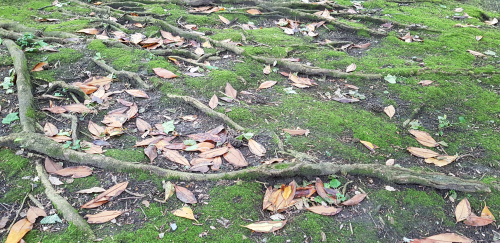
One of the most important things to know about magnolias is that they don’t dig deep. Instead of sending roots far down into the earth, they spread them out wide, just beneath the surface. Because of this, magnolias need a lot more “personal space” than your average garden plant. This also means you have to be picky about what you choose when planting underneath their canopy, as not every plant plays nice with those shallow roots.
Take It Easy on the Soil
The main reason it’s tricky to plant neighbors under a magnolia is that it’s nearly impossible to dig a hole without nicking the tree’s roots. Even routine chores like loosening the soil or pulling weeds can be risky business. To save yourself the headache (and protect your tree), I highly recommend applying a good layer of mulch early on. This helps suppress weeds from the get-go so you don’t have to go in there with a trowel later.
Protecting Young Roots in Winter
While mature, hardy magnolia varieties usually handle American winters like pros, younger trees need a little extra TLC when the temperature drops. While you should wrap the branches in burlap or garden fleece, don’t forget the roots! A thick layer of bark mulch is a lifesaver for young plants. Since the roots are so close to the surface, that mulch acts like a warm blanket, preventing them from freezing during a deep frost.
When it comes to magnolia roots, just keep these three things in mind:
- They are shallow and spread out wide.
- They are easily damaged by digging or heavy gardening.
- Young trees need a thick layer of mulch to protect their roots in winter.