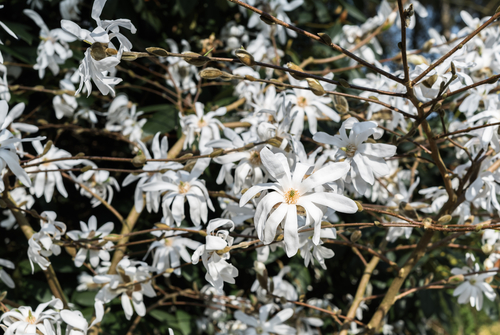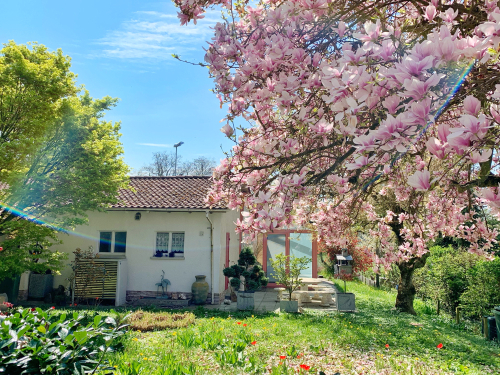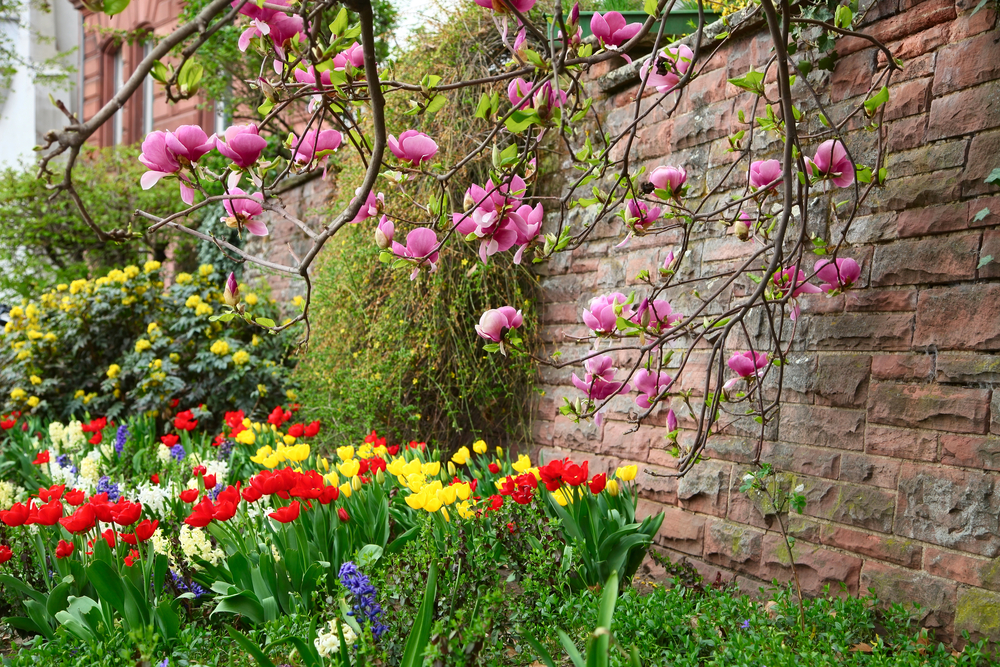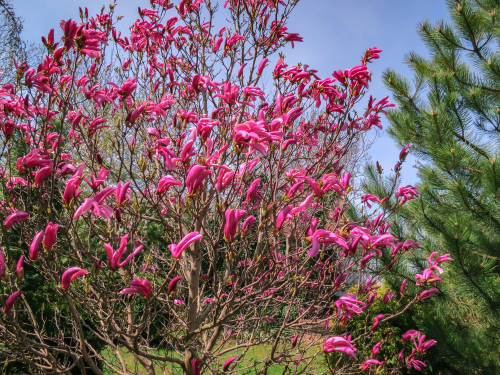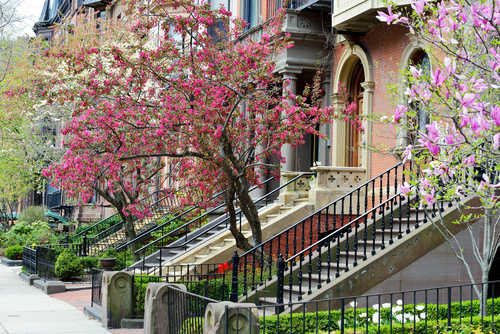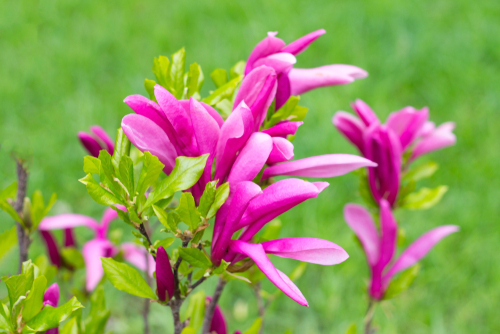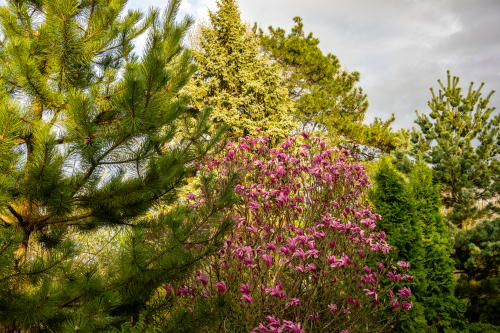
Magnolias aren’t just a one-size-fits-all plant; they come in all sorts of varieties and shapes. While you can train them into formal trees or even tiny bonsais, their natural “wild” state is actually a large shrub. If you just let a magnolia do its thing without any interference, you’ll end up with a beautiful, bushy shrub. Of course, some varieties are naturally a bit more “full” and bushy than others.
It’s All About the Space
One thing to keep in mind is that when a magnolia grows as a bush, it usually spreads out just as wide as it grows tall. So, when you’re picking out a variety, don’t just look at those gorgeous blooms or how bushy it gets—make sure you check its mature size, too! Also, remember that magnolias are shallow-rooted. They need plenty of “breathing room” around the base of the bush, so try to keep the area immediately around them clear of other heavy plantings.
Top Picks for Bushy Magnolias
The good news is that most cold-hardy magnolia varieties naturally grow into lovely, bushy shapes. This includes favorites like the Lily Magnolia (Purpur), the Star Magnolia, and the Oyama (Summer) Magnolia. If you’re looking for a reliable grower, here are a few popular varieties to consider:
- Lily Magnolia ‘Nigra’ (reaches about 15 feet)
- Lily Magnolia ‘Susan’ (reaches about 15 feet)
- Oyama Magnolia / Siebold’s Magnolia (reaches about 12 feet)
- Star Magnolia ‘Leonard Messel’ (reaches about 15 feet)
- Star Magnolia ‘Merrill’ (reaches about 22 feet)
- Star Magnolia ‘Royal Star’ (reaches about 10-11 feet)
Perfect for Pots and Small Backyards
If you’re planning on growing your magnolia in a container or if you’re working with a smaller garden space, don’t worry—you can still join the club! You’ll just want to stick with dwarf or smaller-growing varieties like ‘Sonnenkind,’ ‘Darkest Purple,’ or ‘Satisfaction.’