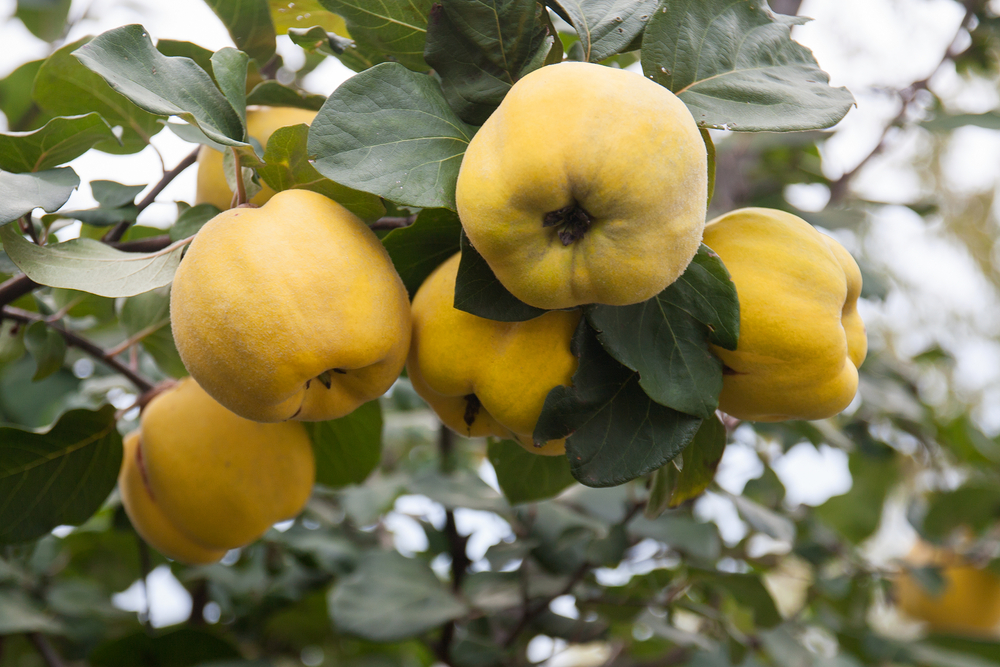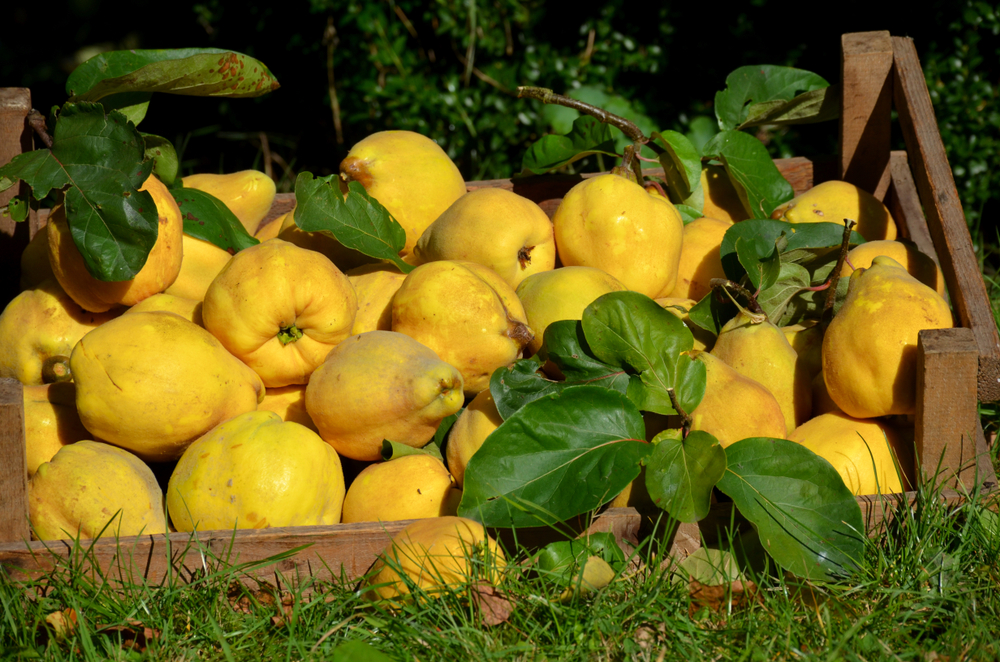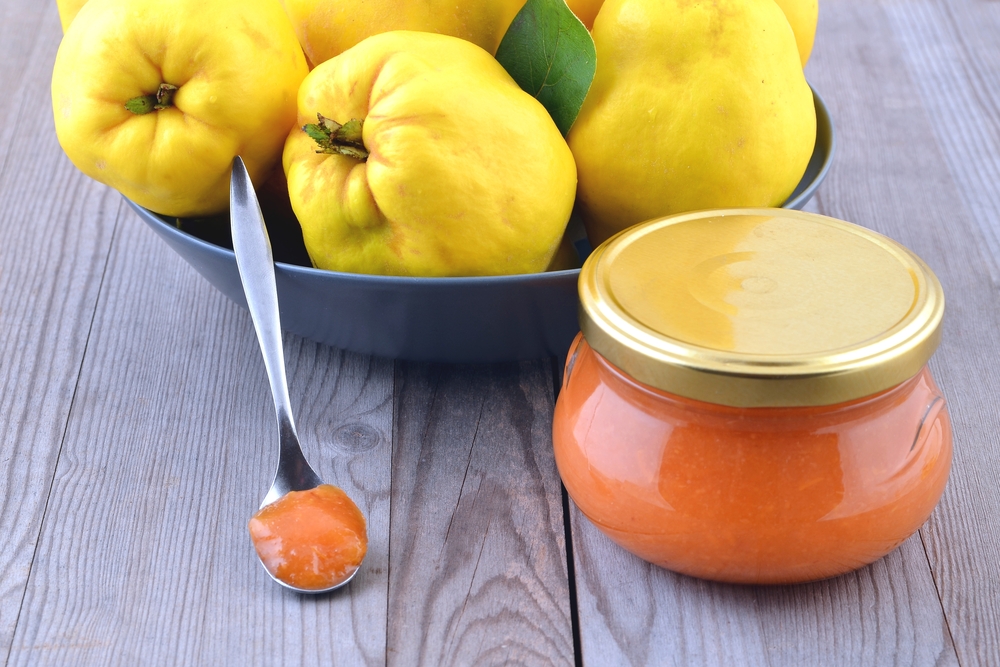
Most quince varieties aren’t exactly the kind of fruit you’d want to bite into right off the tree. In the world of fruit, they’re definitely the odd ones out! Raw quinces usually don’t taste great, and there are a few good reasons for that. Here’s what you need to know before you head out to the garden.
Why most quinces aren’t eaten raw
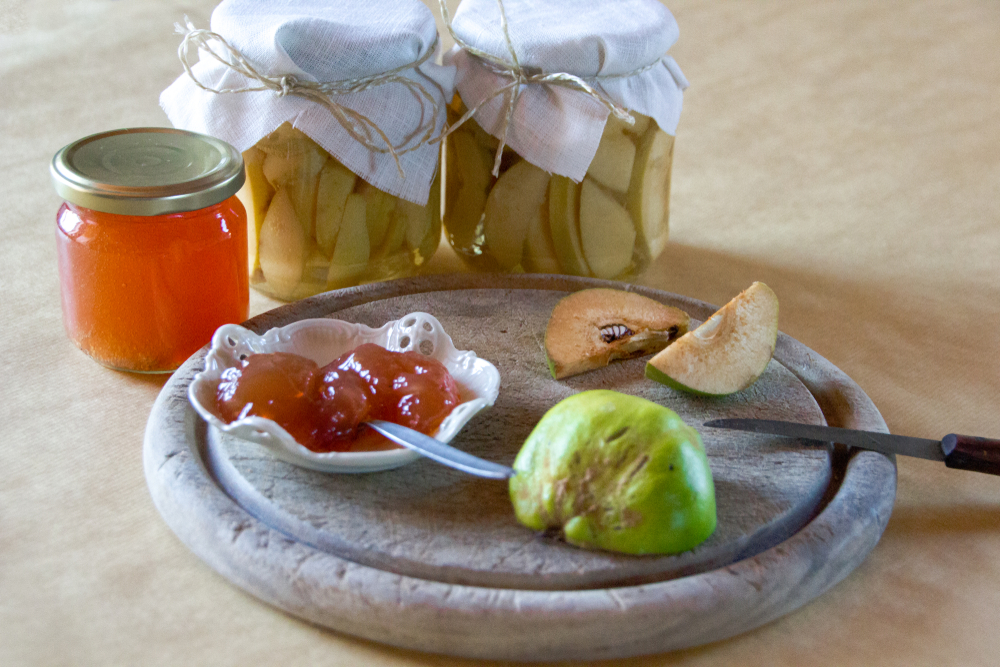
When they’re raw, quinces are incredibly hard. Beyond the tough texture, the flavor is often woody and super sour—not exactly a treat for your taste buds. If you’ve ever tried a bite of a raw one, you probably didn’t go back for seconds! That’s why this fruit is almost always used for processing, like canning and preserving or making homemade juice.
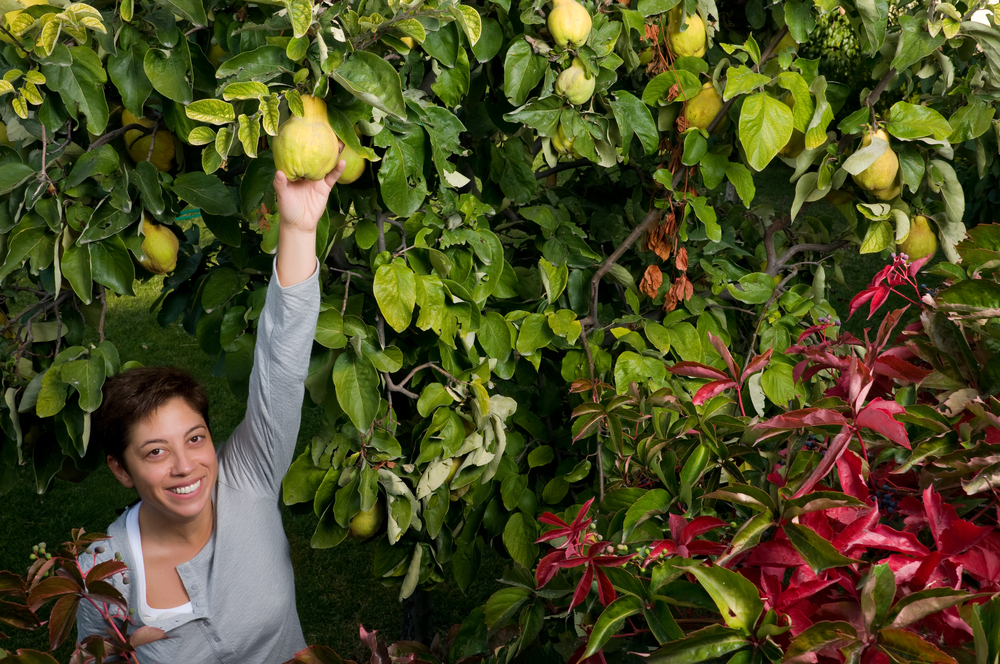
Nature gave the quince a tough skin for protection, and it’s also covered in a fuzzy, felt-like layer. This fuzz is packed with bitter compounds that protect the fruit but make it pretty much inedible in its raw state.
Because of this, you’ve got to do more than just give them a quick rinse before cooking. You need to rub off that fuzz entirely—a soft cloth works perfectly for this. Once the skin is smooth and clean, you’re ready to go. One more safety tip: be careful with the seeds! They contain toxic prussic acid (cyanide), so make sure you don’t nick or crush them when you’re coring the fruit.
Some varieties are actually great for snacking
While those old-school quince varieties aren’t meant for raw eating, they aren’t poisonous—just unpleasant. However, newer cultivars have been bred specifically to be enjoyed straight from the branch. If you’re looking for a “snacking” quince, keep an eye out for varieties like:
- Honey Quince (Honigquitte)
- Rohköstler
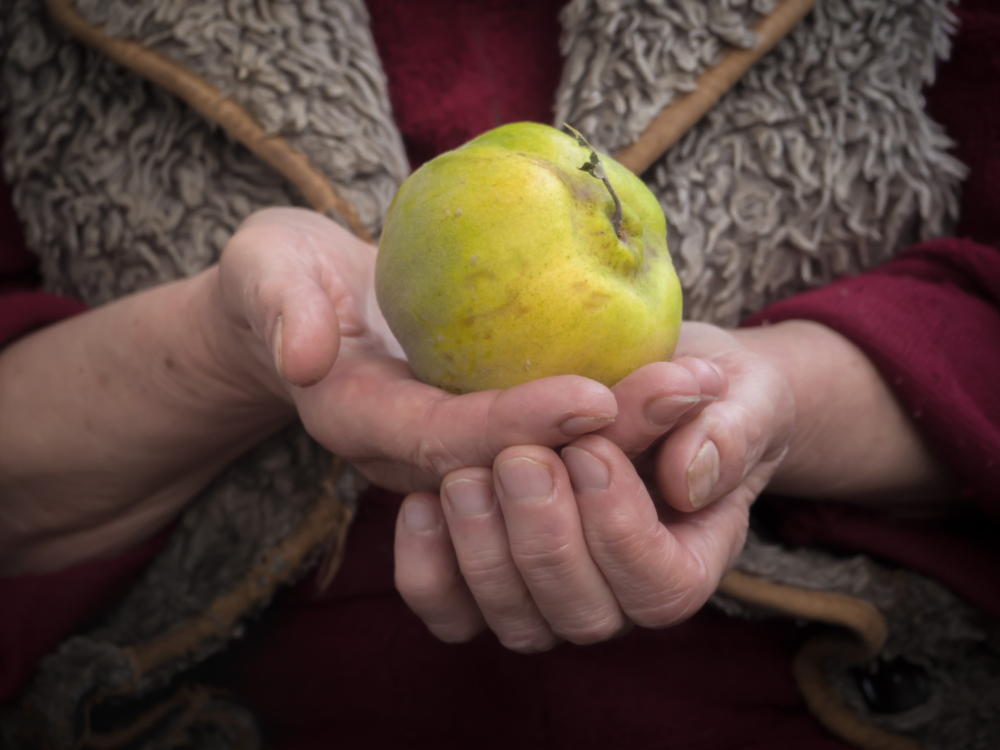
These raw-friendly varieties taste a bit different than the traditional cooking quince. They’re more reminiscent of an apple and have a slightly mealier texture, similar to a pear. Even with these sweeter types, you should still remove the fuzz and skin before eating. And just like the traditional varieties, stay away from the seeds since they also contain prussic acid. Interestingly, in places like Central Asia, France, or Turkey, raw-edible quinces are much more common and are a regular part of the local diet!