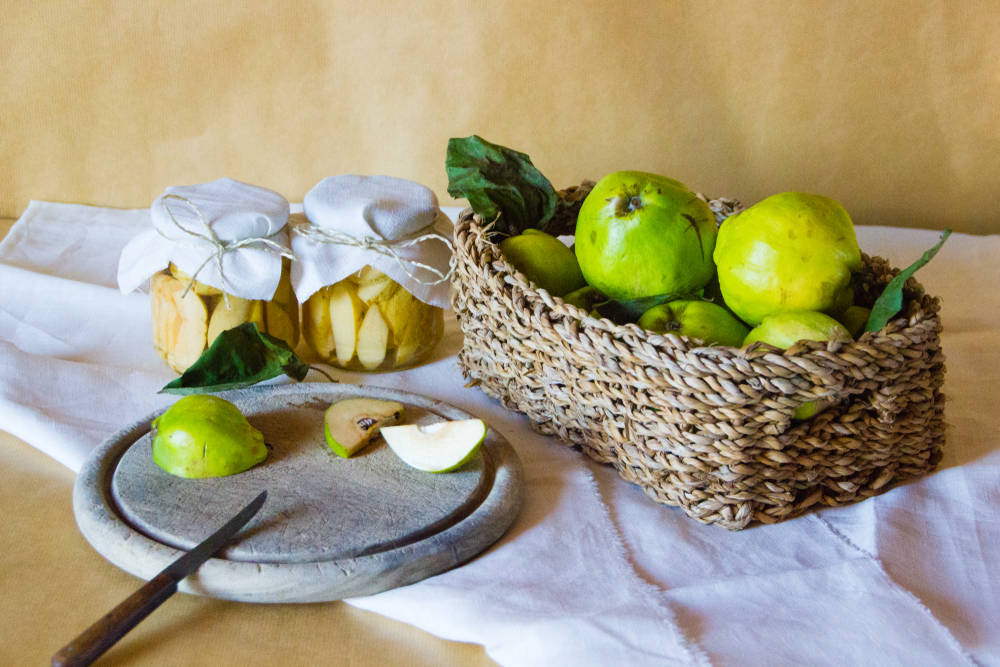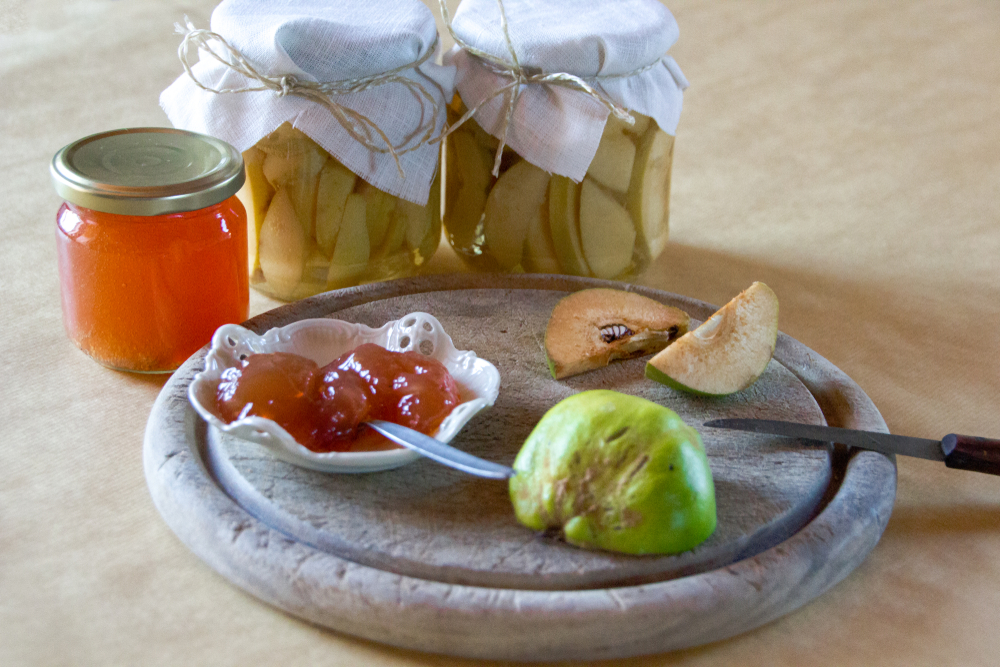
Our great-grandmothers definitely knew what they were doing when they whipped up all those delicious treats from quinces. If you’ve ever tried your hand at homemade quince jelly or a warm compote, you already know how special these golden fruits are. But beyond the nostalgic flavor, these apple-like fruits are absolute nutritional powerhouses. Let’s dive into what makes them so good for you!
Quinces: Nutrient-Dense and Low-Calorie
You could easily call the quince a “local superfood,” which is great news for your wallet. Instead of spending a fortune on trendy imported supplements, you can actually plant your own quince tree right in your backyard. While superfoods are all the rage with the younger crowd these days, the quince is making a serious comeback for gardeners of all ages—and for good reason.
So, what makes these yellow fruits so healthy? For starters, they are packed with Vitamin C. You’ll find about 15 milligrams of Vitamin C in every 100 grams of fruit, which covers roughly 15% of your daily recommended intake. This makes quince the perfect winter fruit; when cold and flu season rolls around, that extra Vitamin C boost is exactly what your immune system needs.
But that’s not all! Quinces also contain:
- Vitamin E
- Vitamin B1
- Vitamin B6
- Potassium
- Magnesium
- Copper
While these amounts are moderate, it’s the variety of nutrients that really counts. Plus, if you’re watching your waistline, you’ll love that quinces are very low in calories. The fruit is about 80% water and clocks in at just 40 calories per serving. Here’s a quick breakdown of the stats:
- Fat: 0.5 g
- Protein: 0.4 g
- Carbohydrates: 7.3 g
- Fiber: 5.8 g
The Secret Ingredient: Pectin
One of the coolest things about quinces is their high pectin content. Pectin is a type of soluble fiber that does wonders for your gut health. It’s a mucilaginous substance that gels up and binds with water, which helps keep your digestion moving smoothly. This natural gelling power is also why quinces are so famous for canning and making jams or jellies—you often don’t even need to add extra store-bought pectin!
These fibers are also helpful for binding and flushing out certain fats, bile acids, and cholesterol. Pectin is even known to have a positive effect on blood sugar levels, helping to keep things balanced. This makes quince-based dishes a great option for diabetics, provided you keep an eye on the overall carb count. With all these benefits, it’s no wonder quinces were used as a natural remedy for centuries!