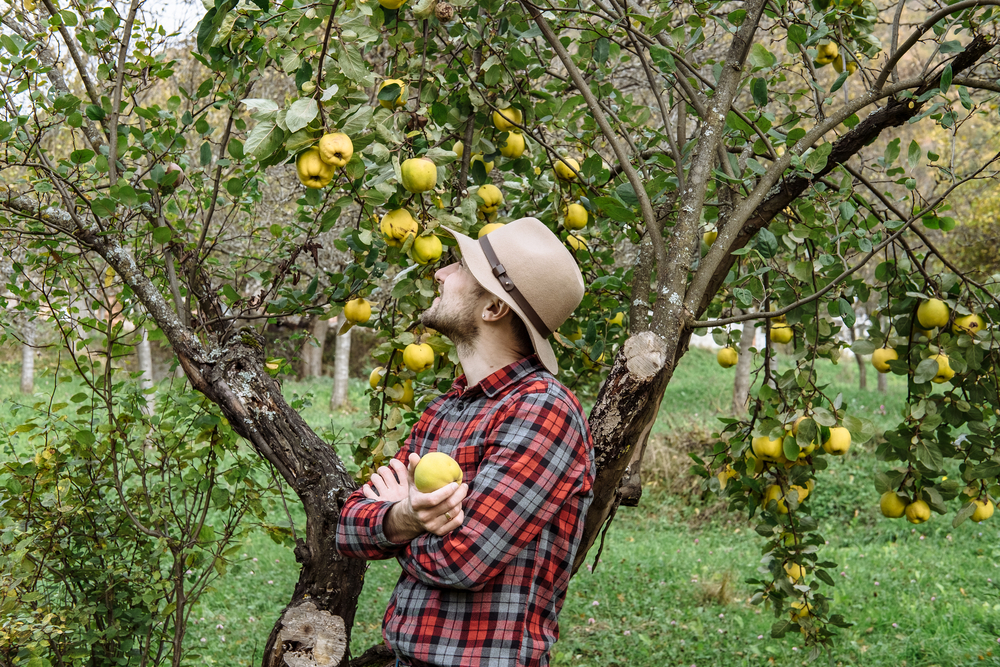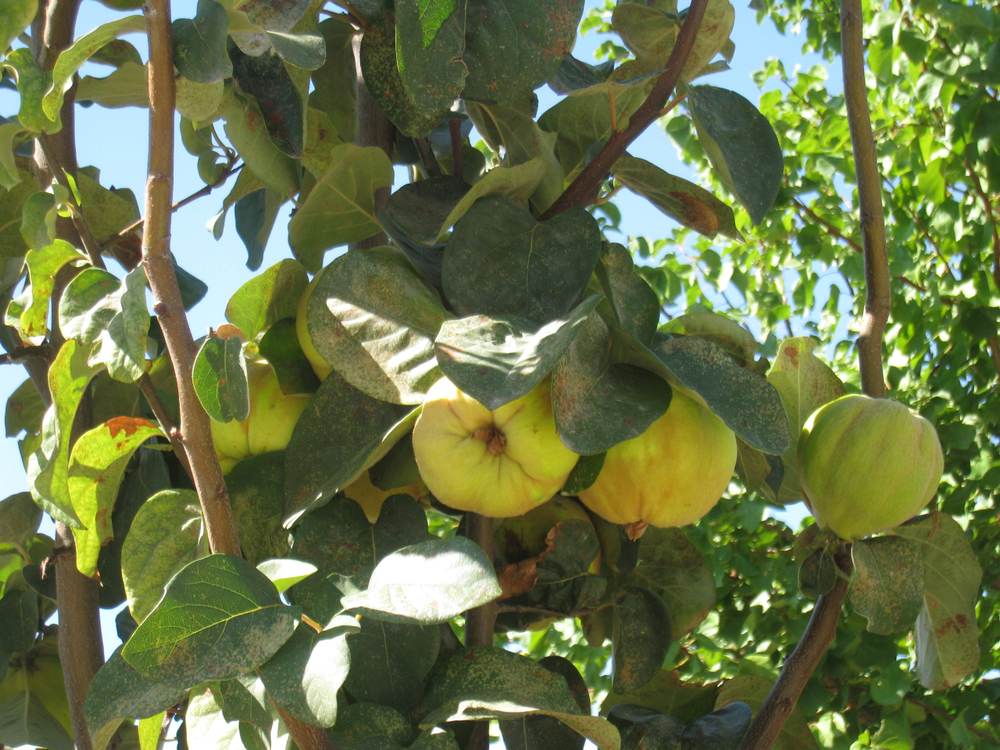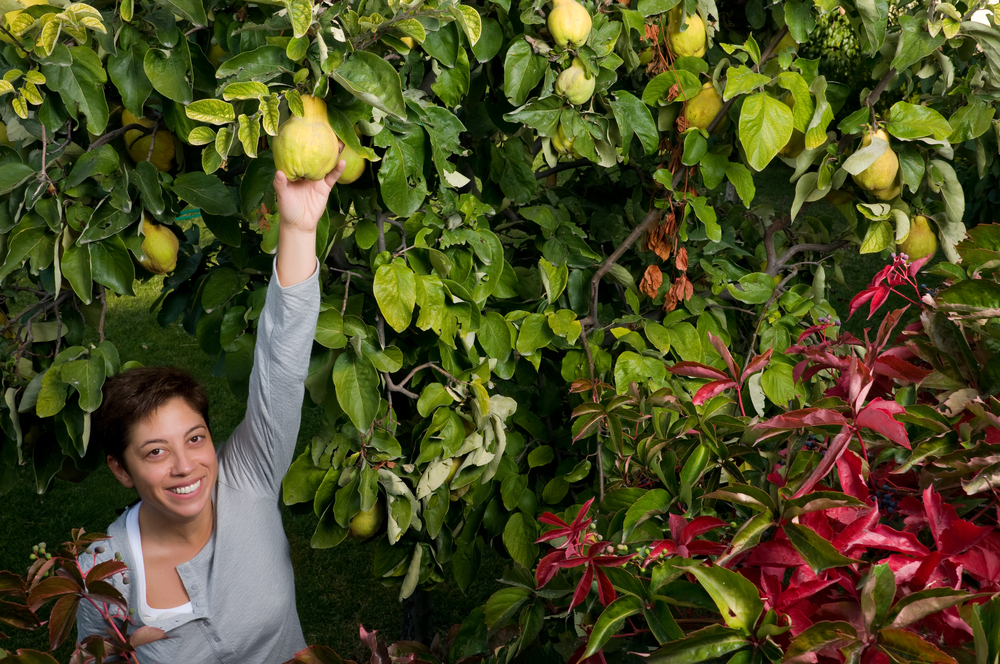
Quinces are a classic fruit tree that are making a huge comeback in home gardens lately. Their fruit looks like a cross between an apple and a pear, and they are absolutely amazing for making jams, jellies, and even homemade liqueurs. If you’ve got the space, adding one to your backyard is definitely worth it!
How to Plant Your Quince Tree
Before you start digging, keep in mind that a quince tree can reach about 25 feet in height. While that’s not massive compared to an oak, you still want to make sure you have enough room for it to spread its wings. The best time to get your tree in the ground is during the spring.
Start by digging a hole that’s at least as big as the root ball. Here’s a pro tip: before you drop the tree in, trim any ragged roots so they have clean, smooth edges. This actually helps the tree establish a much stronger foundation.
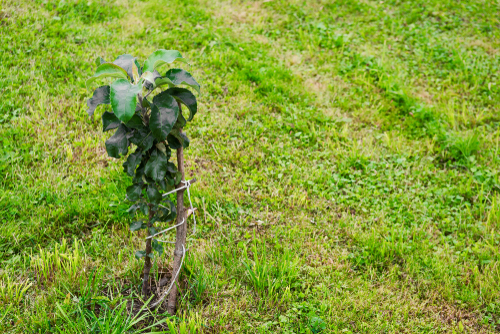
Once you’ve set the tree in the hole, gently backfill it with soil. Give it a good, deep soak immediately after planting, and keep a close eye on the moisture levels for the next few days. Quinces love nutrient-rich soil, but they aren’t fans of lime—so aim for something a bit more acidic. They also need well-draining soil to avoid “wet feet” (root rot). For the best harvest, pick a spot with full sun, though they can handle a little bit of afternoon shade. While mature trees are quite hardy, you’ll want to wrap your sapling in garden fleece or burlap during its first few winters to protect it from the frost.
Caring for Your Tree After Planting
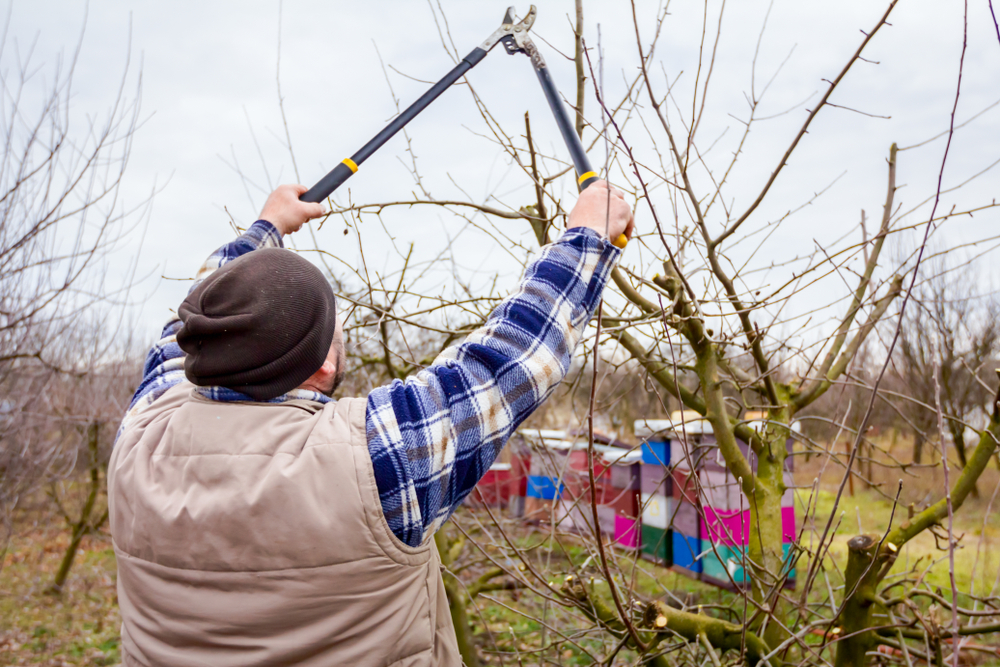
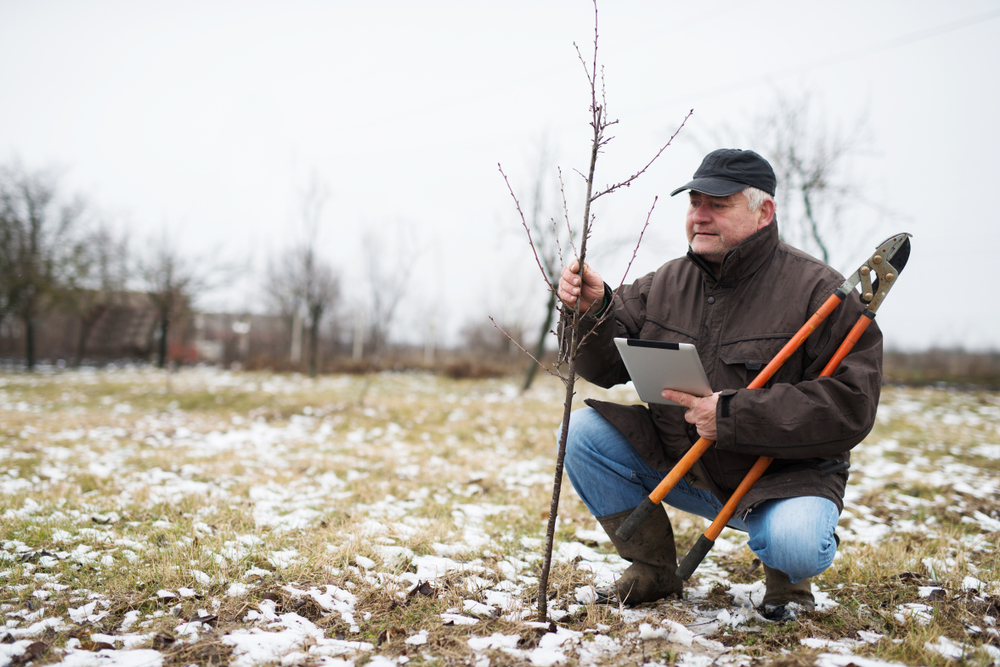
The great thing about quince trees is that they’re actually pretty low-maintenance. During the first few years, they don’t need much from you at all. Since they grow fairly slowly, you might want to do some light pruning (thinning out the branches) every now and then. This helps open up the canopy so light can reach the center of the tree and keep it healthy.
The most important thing to remember is watering. During dry spells—and especially while the tree is still young and establishing its roots—make sure it gets regular water so it doesn’t dry out. Once the tree is established, it’s remarkably self-sufficient. You won’t even need to worry about regular fertilizing; these hardy trees are great at finding the nutrients they need all on their own!