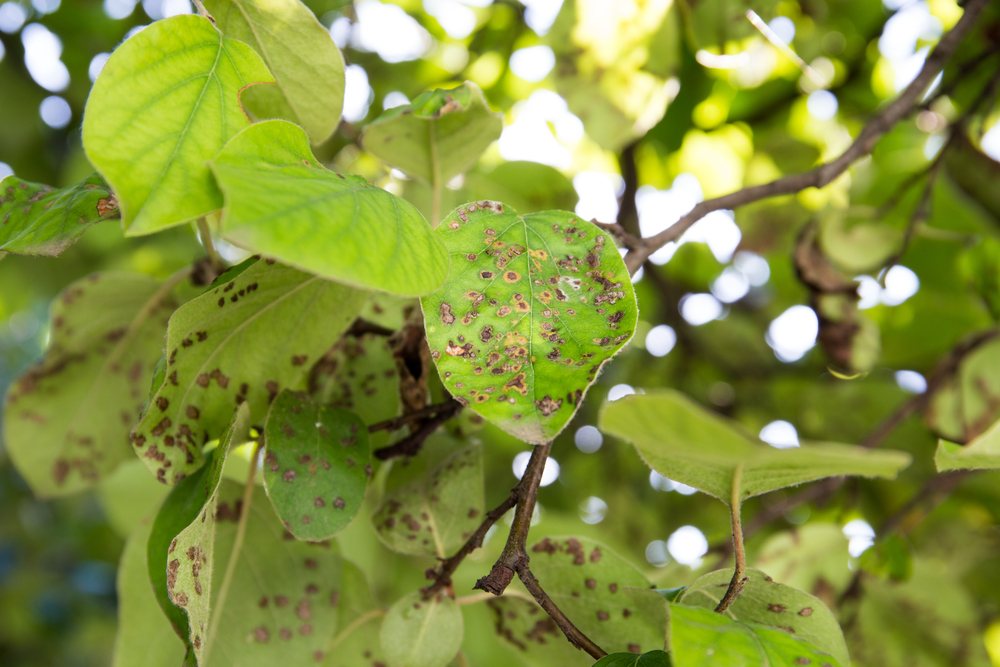
Quinces are tough, hardy fruit trees that generally don’t run into too much trouble with pests or diseases. That said, prevention is key! Picking the right spot in your garden goes a long way toward keeping your tree happy. However, there are three main culprits you should keep an eye out for:
- Leaf Blight (Entomosporium),
- Internal Browning (Flesh Browning), and
- Fire Blight.
Leaf Blight
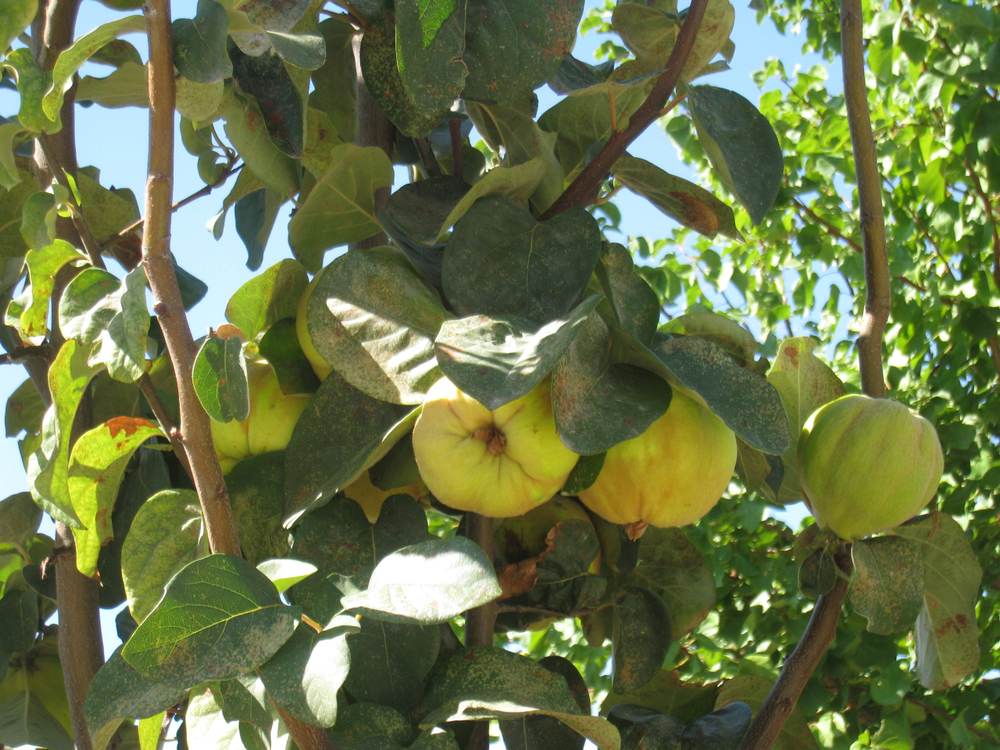
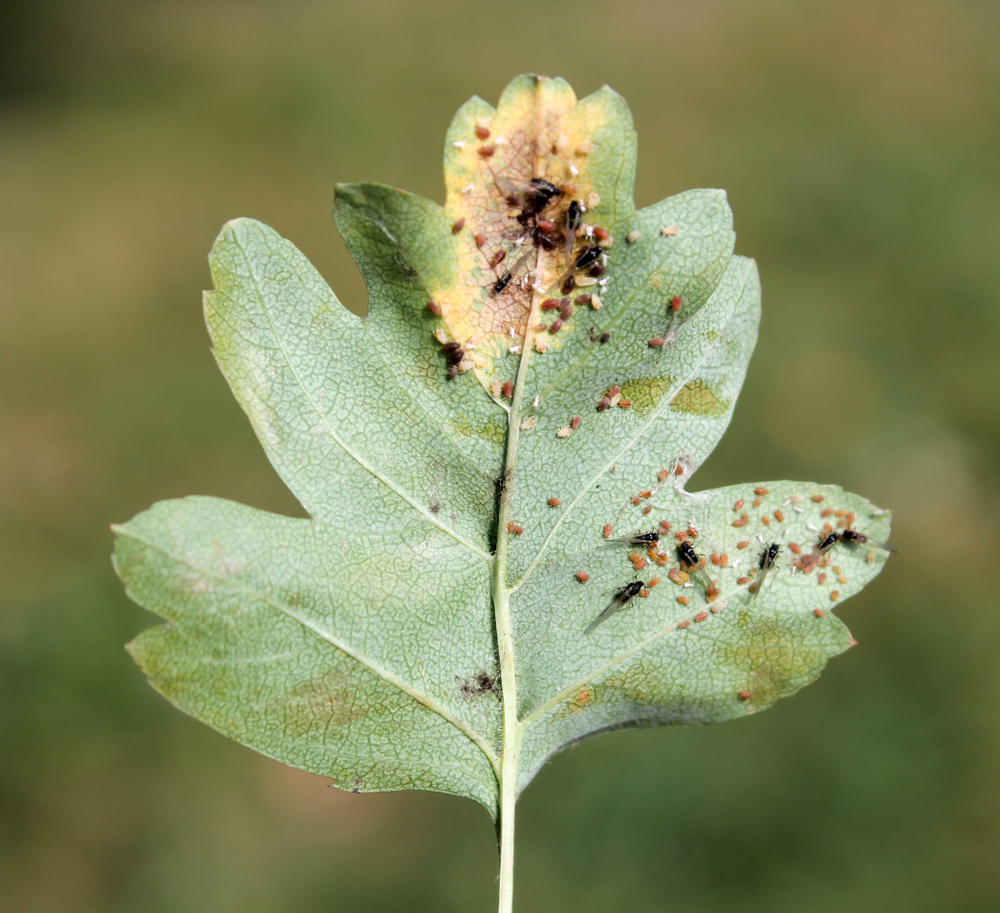
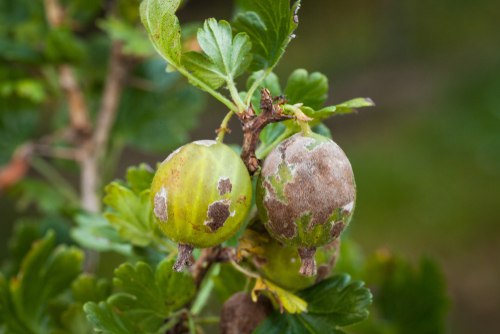
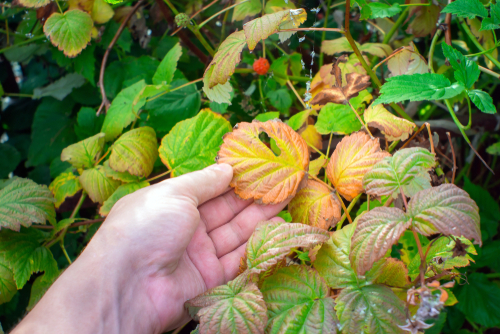
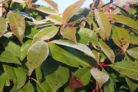
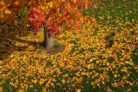
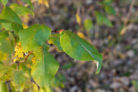
This is a fungal disease that some folks also call “Quince Rust.” It attacks the leaves, causing dark spots that eventually lead to the foliage dying off. The fungus absolutely loves warm, humid weather. It’s a stubborn little hitchhiker because the spores can actually survive the winter by hiding out in fallen leaves on the ground.
To fight back, you’ve got to be diligent about cleanup. Rake up every single fallen leaf and toss them in the trash—never the compost pile! You don’t want those spores spreading to the rest of your garden. It’s also a great idea to give your tree a good thinning cut in the winter. This improves airflow so the leaves dry out faster after a rain.
Internal Browning
This one is a bit of a “hidden” problem because you won’t see it until you slice the fruit open. Just like the name suggests, the flesh inside will be brown or covered in dark streaks. This usually happens because of wonky weather—think heavy rains followed by dry spells—or if you wait too long to harvest. Sometimes, a lack of lime in the soil can also be the culprit.
The best fix? Harvest early! This is actually better anyway if you’re planning on storing your quinces for a while. Pick the fruit as soon as it starts turning yellow. If you’re worried, do a “test slice” on one fruit while it’s still on the tree to check for browning. Unfortunately, once it sets in, there isn’t much else you can do.
Fire Blight
Fire blight is the “big bad” of fruit tree diseases. It’s extremely dangerous and highly contagious. In many areas, it’s actually a reportable disease, meaning you might need to notify your local agricultural office if you find it. You have to act fast because it spreads to other trees in the blink of an eye. Sadly, once a quince tree has fire blight, it usually can’t be saved.
The only real solution is to remove the tree entirely. Make sure every single scrap of wood and leaf goes into the trash, not the compost. And here’s a pro tip: disinfect any garden tools you used on that tree with rubbing alcohol immediately so you don’t accidentally infect your healthy plants!