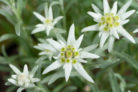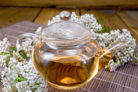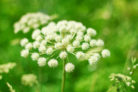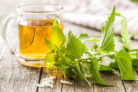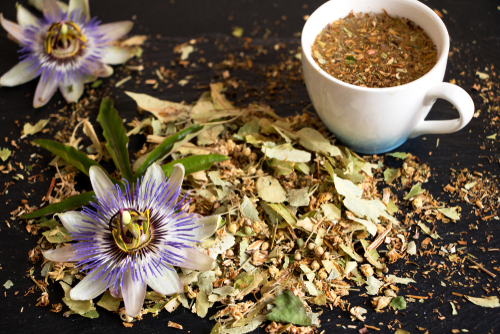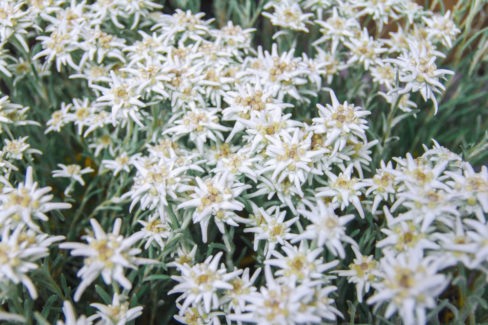
Edelweiss is a total fan favorite, and it’s easy to see why so many of us love growing it in our gardens. But this little mountain gem is more than just a pretty face! People discovered its healing powers thousands of years ago, and believe it or not, those benefits are still being put to use today.
The Power of Edelweiss
This fuzzy, star-shaped flower is packed with a variety of natural compounds that make it a powerhouse in natural medicine. Here’s a quick look at what’s inside:
- Tannins
- Flavonoids
- Phenylpropane and hydroxycinnamic acid derivatives
- Hexenyl acetate
- Limonene
- Pinene
- Coumarin
Where It’s Used
Back in the day, Alpine Edelweiss was the go-to remedy for stomach aches, diarrhea, chest pain, and even rheumatism. Now that we’ve had a chance to study it more closely, it’s mostly used to help with digestive issues or as a mild sedative to help you relax. Plus, Edelweiss has antiseptic and antifungal properties, which means it’s great at protecting the skin and keeping bacteria at bay.
Science has also shown that the flavonoids in Edelweiss help keep the tiny capillaries under your skin nice and elastic. Plant extracts are often used to protect blood vessels against things like spider veins and rosacea.
Leoligin: The Secret Ingredient
Researchers found a very special active ingredient in the Edelweiss root called Leoligin (or Edelweiss acid). There’s some buzz that it could help jumpstart a damaged cardiovascular system! The idea is that it might lower cholesterol and prevent arteries from hardening or thickening.
Just a heads-up: most of this research is still in the early stages. While animal studies look really promising, we aren’t quite at the point where it’s being used as a standard treatment for humans just yet.
Traditional Chinese Medicine
Since many species of Edelweiss are native to Central Asia, it’s no surprise that this beautiful mountain plant has been a staple in Traditional Chinese Medicine (TCM) for centuries. One interesting traditional use? Filling pillows with dried Edelweiss flowers to help soothe respiratory illnesses.
Edelweiss in the Beauty Aisle
You might hear Edelweiss called the “Eternal Flower” because the dried blooms stay looking fresh for a remarkably long time. In the wild, this protected flower grows at high altitudes (up to 10,000 feet!) in the Alps and the Himalayas. Up there, the UV radiation is intense, so the plant has developed its own natural “sunscreen.”
The cosmetic industry loves this! They use Edelweiss as a base for anti-aging products because the Leoligin acts as an antioxidant, mopping up free radicals and protecting cells. Those antioxidants help shield the skin and strengthen connective tissue—two big wins if you’re looking for a healthy glow.