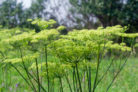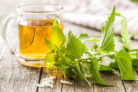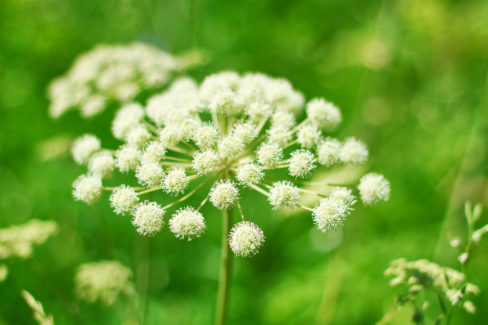
Gardeners and herbalists have been singing the praises of Garden Angelica (Angelica archangelica) for centuries. Believe it or not, the Vikings were already using it to soothe stomach and digestive issues way back in the day. By the Middle Ages, it was so highly regarded that people even used it to ward off the plague! If you’ve ever dabbled in herbal remedies, you’ll immediately recognize that classic “bitters” aroma that defines this plant.
The Scent of Angelica
One of the best things about Angelica is its unmistakable spicy, pleasant fragrance. This is a huge help for foragers because it helps distinguish it from look-alikes like Poison Hemlock or Giant Hogweed (which you definitely want to avoid!). That bittersweet scent and flavor are exactly what make it such a powerhouse for digestion. Even today, extracts from the root are key ingredients in famous liqueurs and digestive bitters. You’ve probably seen or tasted brands like:
- Boonekamp
- Underberg
- Klosterfrau Melissengeist
- Chartreuse
- Cointreau
That very specific “herbal” kick in these drinks? You can thank Angelica for that.
What’s Inside?
The plant is packed with essential oils (concentrations between 0.3 and 1.5 percent), along with a variety of other compounds like:
- Bitter substances
- Coumarin derivatives
- Furanocoumarins
- Coumarins
- Resin
- Sugar
That signature “stomach bitters” smell actually comes from macrocyclic lactones—active compounds that develop through fermentation.
How to Use Angelica
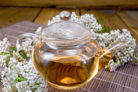
Because of its long-standing reputation, Angelica is a go-to for keeping the digestive tract happy. Whether it’s a tea, a bitter liqueur, or a concentrated extract, it’s commonly used for:
- Loss of appetite
- Feeling overly full or bloated
- Stomach aches
- Intestinal cramps
- Gas
- Colds and coughs
In the Kitchen
The oil pressed from the roots and seeds is a staple in the world of herbal spirits and bitters. But it’s not just for drinking! You can find candied Angelica stems used as sweets or as a decorative (and edible) garnish for cakes. Fun fact: dried Angelica is even an ingredient in certain traditional snuffs. The fruits are also used to spice up Vermouth or Gin, giving them that unmistakable aromatic depth.
For Your Health
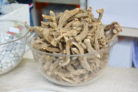
Medicinally, the root is the star of the show. It’s loaded with essential oils and bitter compounds (known in the apothecary world as an “amara” drug). Alcoholic extracts or teas are great for boosting appetite or calming a grumpy stomach. Science backs this up, too—the plant is proven to relieve gas, fight microbes, and stimulate the production of gastric juices and pancreatic enzymes to help you digest your food better.
A Word of Caution
As much as I love Angelica, you’ve got to handle it with care. More isn’t always better! Using too much can make your skin extra sensitive to sunlight, meaning you’ll sunburn much faster than usual. Also, be careful when handling the fresh plant—the sap can cause nasty skin rashes if you get it on your skin. Always garden responsibly!