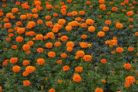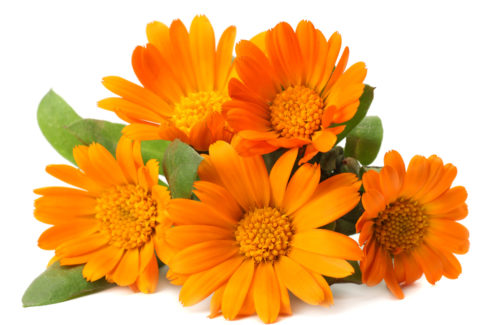
The Pot Marigold (Latin name: *Calendula officinalis*) is a backyard staple that comes in all sorts of gorgeous yellows and oranges. But don’t let its pretty face fool you—this plant is way more than just eye candy! Not only is it super easy to grow and perfect for adding a pop of summer color to your flower beds, but the petals are actually edible and packed with healing properties. Let’s dive into all the cool ways you can use this versatile summer bloom.
Calendula is Edible and a Natural Medicine Powerhouse
Because it’s loaded with beneficial compounds, Calendula has been a superstar in the world of herbal medicine for centuries. Back in the day, you’d find it in almost every monastery garden. The best part? You don’t need a huge backyard to grow it; these decorative beauties do great in pots or window boxes on a balcony or patio.
In traditional natural medicine, Pot Marigold is a go-to for all sorts of ailments:
- It helps soothe stomach and intestinal issues.
- It’s used to support liver health and manage cholesterol.
- It’s a rockstar for skin inflammation and helping wounds heal faster.
- It can even help calm a nasty cough or a sore throat.
Usually, the petals are dried and then brewed into teas, mixed into tinctures, or infused into soothing salves.
Using Pot Marigold to Level Up Your Cooking
Fun fact: Back in the day, people used to use the vibrant petals to “fake” expensive saffron because the color is so intense! Even today, you’ll see dried petals added to high-end loose-leaf teas just to make them look extra fancy.
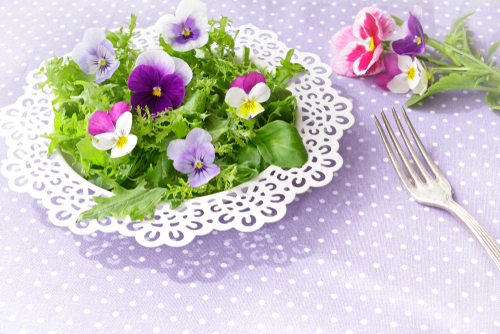
In the kitchen, fresh petals are a game-changer for summer salads. They have a nice, mild flavor and make any dish look like it came from a gourmet restaurant. You can also use them as an edible garnish for warm meals—just a pro tip: wait until the very last second to sprinkle them on. If they get too hot, they’ll turn brown and lose their “wow” factor.
How to Harvest Your Marigolds for Eating
Calendula is non-toxic and generally very easy on the stomach. However, if you’re planning on eating them, make sure you only harvest flowers that haven’t been sprayed with pesticides or nasty chemicals.
Here’s a little gardener’s secret: if you regularly pluck the flowers by hand during the blooming season, it actually encourages the plant to grow even more flower heads! To save them for tea, gently pluck the fresh petals and spread them out in a warm, airy spot to dry.