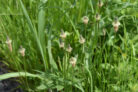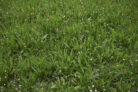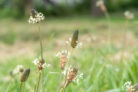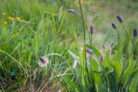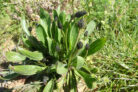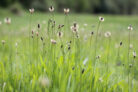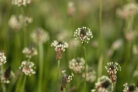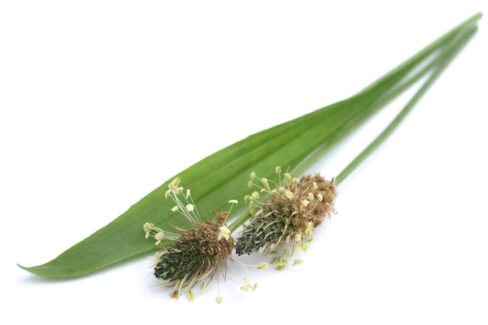
You’ll spot narrowleaf plantain (also known as ribwort) just about everywhere—from manicured lawns to wild meadows and open fields. It grows in a low-to-the-ground rosette with long, lance-shaped leaves marked by distinct parallel veins. Starting in May, it sends up long stalks topped with small flower heads. You’ll notice a tiny ring of white blossoms starting at the bottom of the head, which slowly works its way up to the tip as the season progresses.
Fun Facts About Narrowleaf Plantain
This plant has been a staple in natural medicine for humans and animals alike for centuries. Not only is it completely non-toxic, but it’s also totally edible! It’s packed with beneficial compounds, including:
- Iridoid glycosides
- Mucilage (great for soothing)
- Tannins
- Silica
- Saponins
Because of these properties, narrowleaf plantain is a go-to remedy for:
- Coughs
- Respiratory congestion
- Mouth and throat inflammation
- Minor skin wounds or scrapes
- Bug bites (a hiker’s best friend!)
- Urinary tract issues
Getting Creative in the Kitchen
The best part? Every single part of the plant—roots, leaves, flowers, and seeds—is edible. There are so many ways to use it in your cooking:
- Blend the leaves with pine nuts, parmesan, and olive oil for a unique, earthy pesto.
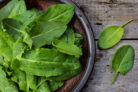
- Boil and puree the leaves with a splash of cream for a delicious spinach substitute.
- Sauté the flower heads—they actually have a savory, mushroom-like flavor!
- The seeds have a nutty taste and work similarly to psyllium husks to help keep your digestion moving.
- Toss a few leaves into your green smoothie for an extra nutrient boost.
- The roots can be boiled and served as a simple root vegetable side dish.
- Add raw leaves to your garden salad for a fresh twist.
- Finely chop the leaves to level up your omelets, herb butter, or veggie dips.
When to Harvest
You can start harvesting young, tender leaves in the spring as soon as they’re big enough to pick. They’ll keep growing back, so you can harvest them all the way through late fall. The flowers are at their best from May to September; after that, they’ll turn to seed, which you can collect throughout the autumn. If you’re after the roots, you can dig those up year-round.
A Healthy Treat for Animals
Humans aren’t the only ones who love this plant! Many butterflies lay their eggs on plantain so their caterpillars have a nutritious snack ready to go. For pet rabbits, you can mix fresh or dried plantain into their feed to boost their health. It’s also great for horses. If a horse develops a dry cough during the winter while spending more time in the stable, a bit of narrowleaf plantain tea can work wonders to soothe their airways.