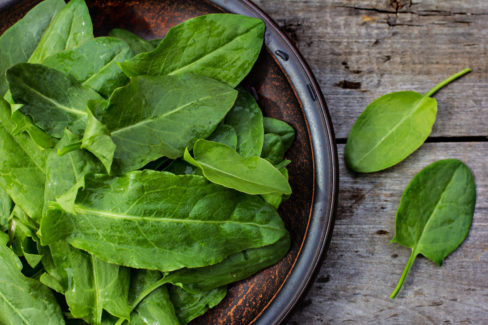
Sorrel is a classic wild herb that’s been a kitchen staple since the Middle Ages. Not only does it add a unique zing to your dishes, but it’s also a fantastic immune booster thanks to its high Vitamin C content. Fun fact: back in the day, sailors used to pack sorrel on long voyages to keep scurvy at bay!
Nutrients That Pack a Punch
Beyond just Vitamin C, sorrel is loaded with Vitamin A, iron, magnesium, and potassium. It also contains bitter compounds and tannins that are great for revving up your appetite and keeping your digestion running smoothly.
Enjoy Sorrel in Moderation
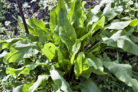
While it’s delicious, you’ll want to enjoy sorrel in moderation. It’s actually classified as slightly toxic because of its oxalic acid content, which can be tough on the kidneys if you eat huge amounts over a long period. Pro tip: the older the leaves get, the higher the oxalic acid levels. If you notice the tips of the leaves turning red, it’s best to skip those for cooking. Luckily, the sorrel season is pretty long, so you’ll have plenty of time to harvest the good stuff.
How to Use This Wild Herb in the Kitchen
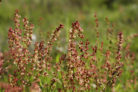
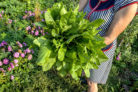
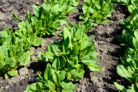
Sorrel leaves are a fantastic addition to fresh salads or creamy soups. I personally think the young leaves in early spring are the best—they’re less tart and have a wonderful, fresh aroma when picked straight from the garden. In May, you can even use the tender shoot tips and flowers to brighten up vegetable dishes. Before you start cooking, give your harvest a good rinse, shake them dry, and trim off any tough stems. Then, just chop them up or slice them into ribbons.
Tasty Ways to Use Sorrel
- Salads and soups
- Green smoothies
- Zesty dips
- Herb butter or herbed quark/Greek yogurt
- Seeds for brewing tea
- Dried roots for tea (harvest and dry roots in September)
- Root flour (grind the dried roots for baking)
The Healing Power of Sorrel
In addition to boosting your immune system, various types of edible sorrel have been used in natural medicine as a diuretic and to help “purify” the blood. Common sorrel is especially known for aiding digestion, making it a great pairing for heavier meals. For topical use, sorrel compresses can help soothe skin irritations. You can even brew it into a tea to help with a sore throat or mouth sores.