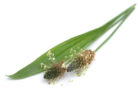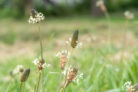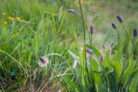
Ribwort Plantain (or *Spitzwegerich*, as we call it in Germany) is one of those classic wild herbs you’ve probably walked past a thousand times in meadows, lawns, or along the edge of the woods. It’s a powerhouse of a plant, and once you get to know it, you’ll start seeing it everywhere! Let’s dive into the basics of what makes this plant so special.
Ribwort Plantain at a Glance
Before we get into how to grow and use this hardy herb, here are the quick facts you need to know:
- Botanical Name: Plantago lanceolata
- Common Names: Narrowleaf plantain, English plantain, ribleaf, lamb’s tongue
- Plant Family: Plantaginaceae (Plantain family)
- Origin: Originally native to Europe, but now found all over the world
- Habitat: Meadows, fields, lawns, open spaces, and roadsides
What Does It Look Like?
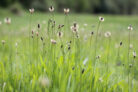
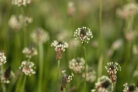
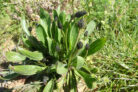
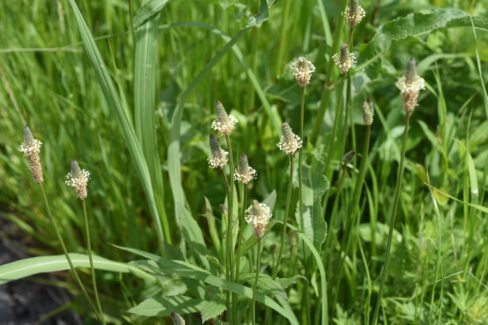
Ribwort plantain is a perennial wild plant that usually stands anywhere from 4 to 20 inches tall. Its leaves are the giveaway—they can grow up to 8 inches long, are quite narrow, and taper to a sharp point. If you look closely, you’ll see five to seven distinct parallel veins running down the leaf; that’s the easiest way to identify it! The leaves grow in a low-lying rosette right at the ground level. During blooming season, long, leafless stalks shoot up from the center, topped with oval-shaped flower spikes. Tiny white flowers bloom in a ring around the spike, moving from the bottom to the top. Once they’re done, they produce small capsule fruits filled with tiny brown seeds.
The Perfect Spot: Soil and Sun
If you want to cultivate it yourself, ribwort plantain isn’t very picky, but it does have its favorites. It loves full sun but can handle partial shade just fine. For the best results, your soil should be:
- Rich in nutrients
- Consistently moist (but not soggy)
- Medium consistency (if you have heavy clay, mix in some sand to loosen it up)
- Low in lime
- Slightly acidic pH
- Low on fertilizer (don’t overdo it!)
How to Use Ribwort Plantain
This wild herb is completely non-toxic and actually tastes great! In the kitchen, it’s best used fresh. Beyond its flavor, it’s packed with healing compounds, which is why it has been a staple in herbal medicine for centuries.
In the Kitchen
When it comes to eating ribwort plantain, think fresh. It’s a fantastic addition to salads, pestos, and herb butter. Basically, anywhere you want a fresh, green kick to round out a dish, this plant delivers.
As a Medicinal Herb
This is where ribwort plantain really shines. It’s a natural “medicine cabinet” plant with properties that are:
- Antibacterial
- Anti-inflammatory
- Blood-purifying
- Antifungal
- Wound-healing
- Expectorant (helps clear mucus)
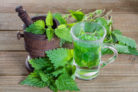
You can use it as a tea, juice, poultice, or syrup to help with a variety of issues:
- Natural Band-Aid: Chew up a leaf into a paste and apply it to small cuts or insect bites for instant relief.
- Skin Care: Juices and tinctures can help with rashes, abscesses, and other skin irritations.
- Cough Relief: It’s excellent for loosening phlegm and is often used to treat bronchitis, asthma, and the common cold.
- Digestion: Sipping on tea or syrup can help with GI issues, boost digestion, and kickstart your metabolism.