Ribwort plantain belongs to the plantain family and is pretty much everywhere once you start looking for it. If you’re worried about pollution or pesticides on wild-growing herbs, the good news is that it’s incredibly easy to grow right in your own backyard. You can even cultivate it on a balcony or patio if you’re short on space!
Finding the Perfect Spot
Ribwort plantain is a hardy perennial, meaning it’ll come back year after year. It really thrives in full sun, though it’ll tolerate partial shade just fine—just keep in mind that plants in the shade won’t grow quite as tall as their sun-drenched cousins. In the garden, pick a sunny spot that stays consistently moist. If you get the location right, you can look forward to plentiful harvests.
Thinking about pots? It’s totally doable! However, because plantain develops a very strong taproot, you’ll need a container that is deep and wide. A standard shallow window box won’t cut it here; give those roots some room to dive deep.
Soil Preferences
Ribwort plantain isn’t too picky, but it prefers medium-weight soil with these specific traits:
- A loose, airy consistency
- High organic (humus) content
- Plenty of nutrients
- Consistently moist but not soggy
- Not too much clay (mix in some quartz sand or pumice to loosen things up)
- Low lime content
- A slightly acidic pH value
Since plantain hates “wet feet” (standing water), make sure the soil drains well. To be safe, you can add a drainage layer of expanded clay pebbles before planting. Once your soil or pots are prepped, you can start sowing seeds from late March through mid-April.
Growth Habit
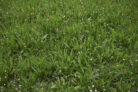
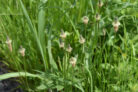
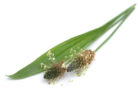
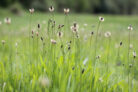
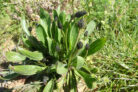
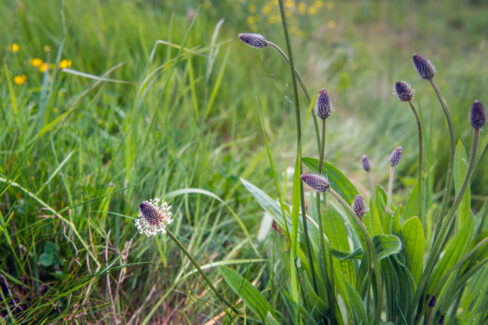
If your plantain is happy in its spot, it’ll establish itself quickly and start to spread. It usually reaches a height of anywhere from 4 to 24 inches. Its root system is just as vigorous, sometimes reaching up to 2 feet deep into the earth! It’s very winter-hardy and grows in a lush, herbaceous style. The leaves form a rosette close to the ground, though the larger, stronger leaves often grow upright. You’ll recognize them by their vibrant green color and those distinct ribs running lengthwise down the leaf.
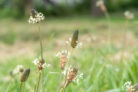
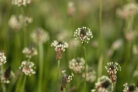
Around mid-May, the flowering season begins. You’ll see buds appear on long, angular stems, which then transform into flower spikes. Small white blossoms start opening in a ring around the bottom of the spike. As those fade, the next ring opens up just above them. This cool little process repeats until the whole spike has bloomed!