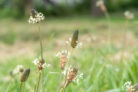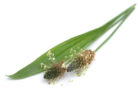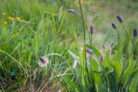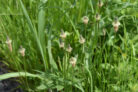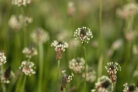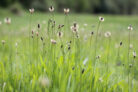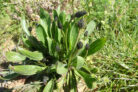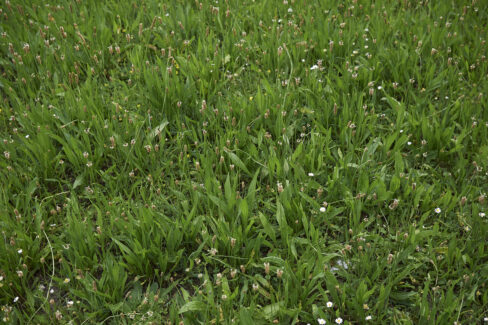
Ribwort plantain is a true garden gem that you can use either fresh or dried. While it’s totally edible and a fun addition to your cooking, its real claim to fame is its incredible healing power.
Harvesting Ribwort Plantain
If you’re looking to harvest your own, the best time to pick it is before it starts flowering. That’s when the medicinal compounds are at their peak. You’ll find this hardy herb along roadsides, in wild meadows, and in open fields. It even pops up in many lawns—much to the frustration of some gardeners—but I see it as a free pharmacy! Of course, you can also intentionally plant it in your own herb garden.
When foraging for wild plantain, location is everything. Avoid spots where dogs frequently walk, and stay away from the edges of commercial farm fields where pesticides might have been sprayed. Honestly, the cleanest plants are usually the ones in your own backyard. The prime harvest window is between May and September. Just snip the long, pointed leaves before those tall flower stalks start to open up.
How to Use Ribwort Plantain
You can use this herb fresh or dried. In the kitchen, fresh leaves are great chopped up in salads, whisked into dressings, or stirred into sauces. Here’s a pro tip: the unopened flower buds are edible too! If you sauté them in a little hot oil, they develop a nutty, mushroom-like flavor that tastes amazing sprinkled over a salad.
Using Ribwort Plantain as a Healing Herb
The entire plant—leaves, flowers, and roots—is packed with stuff that helps with coughs, bronchitis, sore throats, respiratory congestion, and even digestive issues like diarrhea or gastritis. It’s a powerhouse because it is:
- Antibacterial
- Astringent
- Hemostatic (stops bleeding)
- Anti-inflammatory
- Diuretic
- An expectorant (helps clear mucus)
- Great for wound healing
Preserving Your Harvest
Since we can’t always get fresh plantain (especially in the winter), it’s a great idea to dry some of your harvest. Collect plenty during the summer months to stock up. To dry them, clean the leaves (don’t wash them with water if you can avoid it, just brush them off) and lay them out on a tray or string them up to hang. After a few days, they should be “cracker dry” and ready to store in airtight jars.
If you’re in a hurry, you can use your oven. Set it to the lowest temperature (no higher than 100°F/40°C) and spread the leaves on a baking sheet. Keep the oven door cracked open a bit so the moisture can escape.
Another cool way to preserve it is by juicing the leaves with a centrifuge juicer. You can freeze the juice in ice cube trays or mix it with some high-quality honey to make a homemade cough syrup.