Ribwort plantain, a member of the plantain family, is a common sight along roadsides, in meadows, and—much to the chagrin of many homeowners—right in the middle of our lawns. Back in the day, folks used it as a vegetable substitute when food was scarce. Nowadays, it’s better known as a natural cough remedy or a healthy snack for rabbits and horses. But if you’re a gardener aiming for that perfect turf, you probably see it more as a pesky weed than a pantry staple.
Bloom Time and Those Unique Flowers
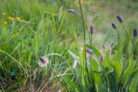
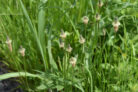
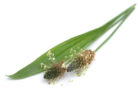
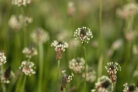
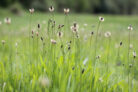
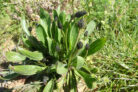
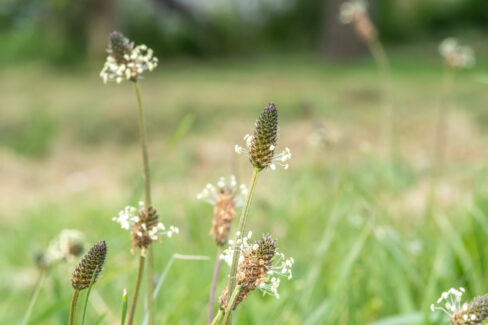
From May through September, ribwort plantain is easy to spot in fields and meadows because it’s in full bloom. It grows from a rosette of narrow, pointed leaves with distinct parallel veins. From the center, a long, thin, wiry stem shoots up, topped with a brownish, cylinder-shaped bud. Small white flowers emerge in a ring around the bottom of that bud. As the season goes on, that ring of blossoms slowly migrates toward the top of the spike.
While the plant can spread underground via root runners, it also produces plenty of seeds. These flowers are pollinated by insects or the wind, eventually creating sticky seeds that hitch a ride on people and animals to find a new home.
Harvesting Before the Blooms Appear
In our neck of the woods, ribwort plantain typically blooms from May to September (though it starts a bit later in higher mountain elevations). If you’re looking to use it for its medicinal properties, you’ll want to harvest the edible leaves before the flowers show up. That’s when the plant’s active compounds are at their peak. You can use the leaves fresh or dried for all sorts of things:
- Making homemade cough tea or syrup
- Soothing a dry, hacking cough (it works for horses, too!)
- Chewing the leaves into a paste to soothe insect bites
- Adding a savory kick to soups
- Tossing them into salads for extra flavor
- Brewing a refreshing herbal tea
Cutting Back the Flowers
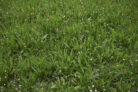
When ribwort plantain moves into your lawn, it tends to crowd out the grass by spreading its flat leaf rosette wide. It can really stick out like a sore thumb in a well-manicured ornamental lawn. If you’re looking to get rid of ribwort plantain, you have a few options, and one of the simplest is just cutting the flowers. As soon as those long flower stalks start popping up in May, snip them off right at ground level. This stops the plant from setting seed and prevents a whole new generation of “weeds” from taking over your yard.