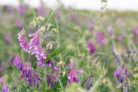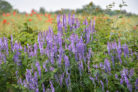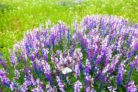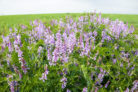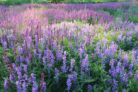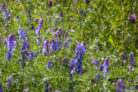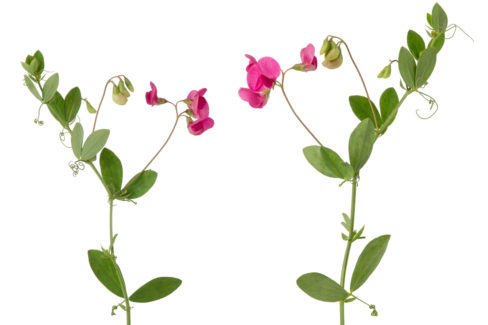
If you’ve been browsing gardening forums or foraging blogs lately, you’ve probably noticed a lot of back-and-forth about sweet peas and grass peas (the *Lathyrus* family). Some folks swear they’re toxic, while others are sharing delicious-looking recipes. So, what’s the deal? As with most things in the garden, the truth is somewhere right in the middle.
Not All Peas Are Created Equal
There are about 160 different species in the *Lathyrus* genus. Some are strictly ornamental (like the fragrant sweet peas we love in bouquets), while others have been used as food crops for centuries. The “scary” part comes from certain species that contain lathyrogens—amino acids that can be toxic. If someone eats large amounts of these specific peas regularly, it can lead to a neurological condition called lathyrism.
It’s All About the Dose
When it comes to the toxicity of certain *Lathyrus* species, the dose makes the poison. For most edible varieties, enjoying them occasionally in small amounts is perfectly fine. The real challenge for us gardeners and foragers is that many of these species look incredibly similar. If you aren’t 100% sure which variety is growing in your yard, it’s best to play it safe. Only bring them into the kitchen if you’ve positively identified the species and confirmed it’s a culinary variety.
- A Few Edible Varieties to Know:
- Chickling Vetch (Grass Pea): This was a major crop back in the day. Nowadays, you’ll mostly find it grown by heirloom enthusiasts.
- Sea Pea: Found along coasts; edible in small quantities.
- Mountain Pea: These have a lovely, sweet flavor reminiscent of chestnuts.
- Grass Pea (Cicerchia): Very popular in Italy, Spain, and parts of Africa and Asia, where the seeds are often ground into flour.
What Parts Can You Actually Eat?
Unsurprisingly, most edible *Lathyrus* species taste a bit like… well, peas! You can use the shoots, leaves, flowers, buds, and young pods. The flowers tend to be a bit sweeter than the rest of the plant. Here’s a quick harvest calendar to keep handy:
- May: Focus on those tender young shoots.
- June: Grab shoots, leaves, flowers, and buds.
- July & August: This is the time for leaves, flowers, buds, and the actual seed pods.
Where Do They Grow?
You’ll find these plants soaking up the sun or hanging out in partial shade. They love meadows, pastures, fields, and the edges of light woodlands. They’re also big fans of backyard gardens, where they’ll happily climb up any fence you give them.
Pro Tip:
In many garden centers, the Grass Pea (*Lathyrus sativus*) is sold as “green manure” or a cover crop to improve soil health. If you grow this seed organically in your own garden, there’s no reason you can’t enjoy a little bit of it in your cooking too!