Every spring, our yards are painted with those unmistakable, bright yellow pops of color. While many gardeners see dandelions as a stubborn enemy to be conquered, there’s so much more to this plant than just deep taproots and fluffy seed heads. Believe it or not, that “weed” in your lawn is actually a versatile superfood! Have you ever thought about bringing the dandelion into your kitchen?
Edible Dandelion Leaves: What Do They Taste Like?
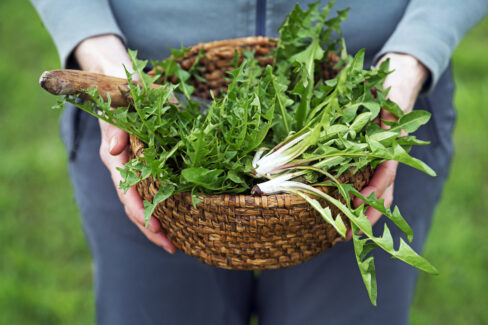
Most of us are used to tossing dandelion greens to the backyard bunnies or guinea pigs, but they’re actually incredibly healthy for humans, too. They have a bold, peppery flavor with a slightly bitter kick (depending on the variety and how old the plant is).
While eating a handful of plain leaves might be a bit intense for some, these jagged greens are fantastic when mixed into other dishes like salads or side sides. For the best flavor, you’ll want to use them fresh. If you’ve harvested a bumper crop, don’t worry—you can easily dry them or pop them in the freezer for later.
How to Use Dandelion Leaves
If you’re looking for some culinary inspiration, here are a few of my favorite ways to use dandelion greens:
- Fresh juices and green smoothies
- Wild herb salads (they pair beautifully with parsley!)
- Homemade pesto
- Sautéed vegetable medleys
- Risotto
- Hearty stews
- Baked casseroles
- Mixed into herb butter or sour cream for baked potatoes
- Stirred into savory sauces
Pro Tip: Here’s a little secret most people don’t know—stick to the young, tender leaves. Older leaves become much more bitter and contain higher levels of oxalic acid. Eating too many old leaves can actually upset your stomach, so keep it young and fresh!
Edible Dandelion Flowers: Sweet Recipe Ideas
The bright yellow blossoms have a surprisingly delicate, sweet flavor. They make a stunning edible garnish for fruit salads or a colorful summer cake. But they aren’t just for looks! You can forage these blooms to make delicious jams, jellies, and syrups.
Want to try making dandelion jelly? Just simmer the petals with water, lemon juice, lemon zest, and a sweetener like xylitol or sugar. Thicken it up with a little pectin or agar-agar, strain it through a sieve, and pour it into jars. It’s like sunshine in a bottle!
Using Dandelion Roots as a Coffee Substitute
Even the roots are useful! After cleaning them, you can dry them out and grind them into a fine powder. This powder can be brewed into a mild, caffeine-free coffee alternative.
Fun fact: Back in the day, especially during lean times or wartime, dandelion root coffee was a very popular and budget-friendly substitute for traditional coffee beans. It’s a great way to use the whole plant from root to flower!