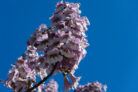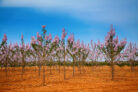
The Empress Tree, known botanically as *Paulownia*, is actually surprisingly easy to grow from seed. These seeds aren’t high-maintenance and sprout pretty quickly, but there’s a catch: both the seeds and the tiny saplings are very sensitive to the cold. Here’s the lowdown on how to get your own Empress Tree started.
Harvesting or Buying Your Seeds
You’ve got two main options for getting your hands on some seeds: order them online or harvest them from a tree in your neighborhood. Most of the time, you’ll find *Paulownia tomentosa* for sale, but there are other varieties out there specifically bred to handle different regional climates. When shopping, just pick the one that best matches your local garden conditions.
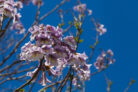
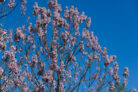
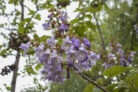
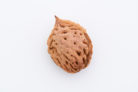
If you already have a Paulownia nearby, you can harvest the seeds yourself. Just a heads-up: for the best results, make sure it’s not a hybrid variety. You’ll need to wait until after the Empress Tree’s blooming season for the seeds to fully ripen. It’s easy to tell when they’re ready—just look for the seed pods that are starting to crack open. Honestly, if you have a tree in your yard, you can often just let nature do the work; these trees are great at self-seeding, and you’ll likely see little “volunteers” popping up all on their own.
Step-by-Step Growing Guide
- Collect your seeds or buy a packet
- Start your seeds in February
- Pick a bright, warm spot for your pots
- Use a seed-starting mix of sand and soil (or peat)
- Water regularly, but don’t let them sit in a puddle
- If using a seed tray, cover it with plastic wrap to hold in moisture
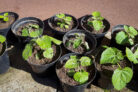
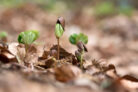
You’ll see those Paulownia seeds start to sprout in just a few days. Once the little guys are about 2 inches tall, they’re ready to be moved into their own pots. Just remember: these young plants absolutely hate frost. Once your seedling starts looking more like a miniature tree, you can move it to the balcony or a sunny spot in the garden. However, don’t leave it outside for good until you’re 100% sure the last frost has passed. For that first winter, it’s a smart move to overwinter your Paulownia in a sheltered, frost-free area to keep it safe.