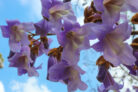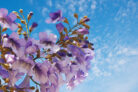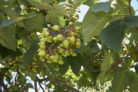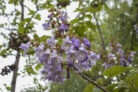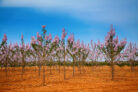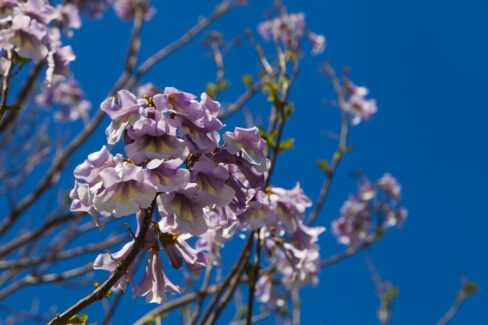
The hardy Empress Tree (or Princess Tree) is famous for being a tough, low-maintenance addition to the garden. But even the sturdiest plants can run into a few hiccups now and then. If your tree is looking a little under the weather, don’t panic! Here’s how to spot common issues and get your Empress Tree back to its beautiful, blooming self.
Does Paulownia get fungal diseases?
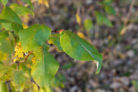
Known botanically as *Paulownia*, the Empress Tree is generally a powerhouse of resilience. Under normal conditions, it’s not particularly prone to fungal infections. However, if a tree is already stressed—perhaps from a harsh winter or physical damage—fungus can find a way in. You’ll usually spot this as wilting leaves or strange discolorations on the tops or undersides of the foliage. If the leaves start dying off in specific patches, you’re likely dealing with a fungus.
Here’s your game plan:
- Grab a pair of sharp, clean pruning shears.
- Cut back the affected branches completely.
- For larger cuts, consider using a wound sealer to protect the tree.
- Burn the clippings or dispose of them in the trash (never the compost!).
Fungus acts like a parasite, slowly draining the tree’s energy. To stop it from taking over the whole plant, you have to be decisive and remove the infected areas. If the infestation looks really bad, you can apply a fungicide, but usually, a radical pruning does the trick. Just a heads-up: never put infected clippings in your compost pile, or the fungus will just spread through your garden. Seal them in a trash bag or burn them instead.
Why isn’t my Empress Tree blooming?
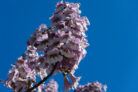
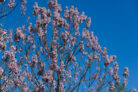
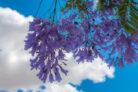
It’s disappointing when spring rolls around and those famous purple blooms are nowhere to be found. Usually, this isn’t caused by a disease. Most of the time, the flower buds simply succumbed to a late frost. This is especially common with younger trees, which aren’t quite as winter-hardy as their fully grown counterparts.
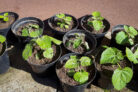
If your tree is still small and in a container, you can overwinter it in a protected indoor space. Another thing to watch out for? Slugs and snails. These little critters love munching on the leaves. You don’t necessarily need harsh chemicals to deal with them, though—simply picking them off by hand or using organic deterrents can keep your tree safe.