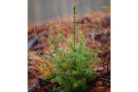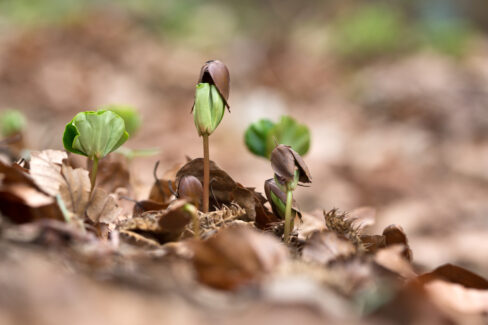
You’ve probably heard the old saying that you can’t transplant a large, mature beech tree. It’s true—they really don’t like being moved once they’ve settled in! If you’re dreaming of having a majestic beech in your yard, you’ll need to start small with a sapling. But where do you get one, and what’s the best way to grow it? Let’s break down your options, along with the pros and cons of each.
Buying your beech saplings
Beech trees aren’t exactly the kind of thing you’ll find in the seasonal aisle at a big-box discounter. However, you can easily find them at local nurseries or through various online plant shops. Buying online is usually a bit easier on the wallet, but there’s a catch: you can’t inspect your little tree before it arrives. Plus, online shops rarely offer a “growth guarantee” or the kind of expert, hands-on advice you’d get in person. If you want peace of mind and professional tips, your local nursery is definitely the way to go.
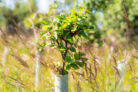
Keep in mind that the larger the sapling, the higher the price tag. But whether you buy a tiny sprout or a taller specimen, its future is up to you—it can become a stately standalone tree or part of a manicured hedge. It all comes down to how you prune it. By paying a bit more for a larger sapling, you’re essentially just buying yourself a head start in time.
Quick Tip:
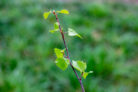
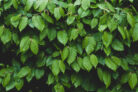
People often mix up the European Beech with the Hornbeam because they look so similar. But here’s a fun fact: despite the name, the Hornbeam is actually part of the birch family! If you want to make sure you’re getting the right tree, keep an eye out for these key differences.
Growing your own saplings
If you’ve got some patience and a little “DIY” spirit, you can propagate your own saplings. The best part? It’s totally free!
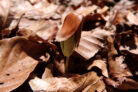
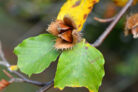
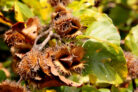
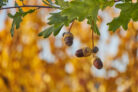
Growing from seed is a great way to get a lot of trees at once. You’ll just need to find a mature beech tree that is producing beechnuts. Another option is to take cuttings and encourage them to root. There’s also a method called “air layering,” but honestly, that’s a bit tricky and usually best left to the pros or very experienced gardeners.
Pro tips for success with homegrown saplings
- Seeds need a wake-up call: Beechnuts have a built-in dormancy. They need a period of cold (stratification) to trigger germination, otherwise, they won’t sprout.
- Start in pots: It’s best to sow your seeds and care for the young sprouts in pots first where you can keep a close eye on them.
- Timing for cuttings: Take semi-hardwood cuttings in the spring or summer.
- Choose the right parent: Take your cuttings from a mature, healthy tree that isn’t too old.
- Be patient: Stick your cuttings in potting soil and be prepared to wait several months for them to establish a solid root system.
My Advice:
Give your homegrown saplings a little extra TLC during their first year. Let them overwinter indoors in a frost-free spot. Once the weather warms up in the spring, they’ll be strong enough to be planted permanently in your garden.