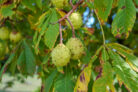
The chestnut tree is truly something special. With its massive, proud silhouette, it can turn any backyard into a majestic landscape. It’s no wonder so many home gardeners dream of growing their own from scratch! If you’re ready to add a little grandeur to your green space, here’s everything you need to know to get started.
Growing Your Own Chestnut Tree
I’ll be honest with you: growing a chestnut tree is a marathon, not a sprint. You’re going to need a healthy dose of patience and a bit of know-how to get it right. It can take years before you reach your first real harvest season, but trust me—there’s nothing quite like the pride of looking up at a towering tree you started yourself. It’s well worth the wait!
Getting Started: The Step-by-Step
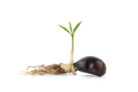
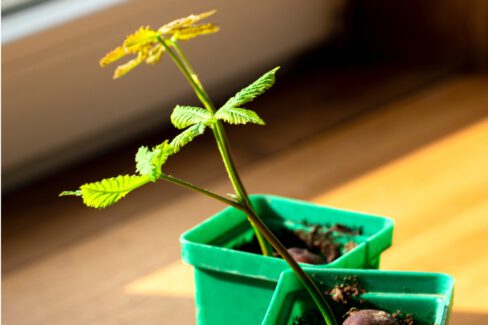
If you already have access to a chestnut tree you love, the best way to grow a new one is by taking cuttings to propagate it. You might be tempted to just plant a seed (the nut), but seeds aren’t “true to type.” Because they carry a mix of genetic info from both parent plants, you never really know what kind of tree you’ll end up with. Cuttings are the way to go for consistent results.
In the spring, look for strong, healthy shoots to cut. Aim for pieces between 8 and 12 inches long. You’ll want a few pairs of leaves on there, too—just strip off the bottom ones and leave about four pairs at the very top. Pop your cuttings into a pot filled with high-quality seed-starting soil, burying them about two inches deep. Keep the soil consistently moist, but be careful not to overwater; those delicate new roots can rot if they’re sitting in a swamp!
Moving Day: Transplanting
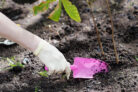
Eventually, your little project will be ready for the big leagues—either a much larger container or a permanent spot in the garden. You can usually do this after a few months, but you definitely want it settled in its new home by the time the first winter is over. When you’re ready to plant, dig a hole plenty big enough and mix in some compost to give it a nutritional boost. Give the young tree a good soak right after planting. Pro tip: the younger the tree, the better it handles the move. Once a chestnut tree gets older, it really hates being relocated, so pick your spot wisely!
Growing Chestnuts: Your Quick Checklist
- Pack your patience! This project requires time and a little bit of gardening “intel.”
- Use cuttings rather than seeds to ensure you get the tree you want.
- Aim for cuttings between 8 and 12 inches long.
- Use seed-starting soil and keep it damp, but not soggy.
- Avoid using seeds if you want a specific variety.
- Get your tree into the ground by the end of its first winter at the latest.
- Pick a permanent spot—older chestnut trees don’t handle moving very well.