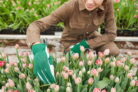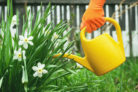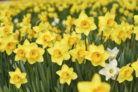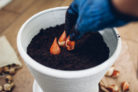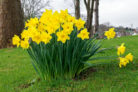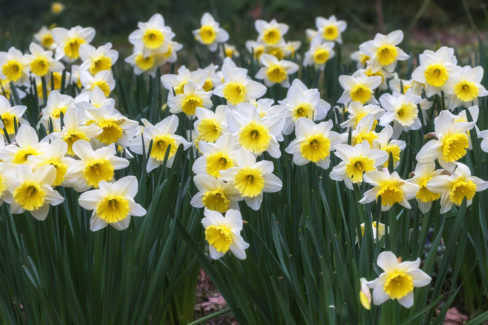
Spring is just around the corner, and that means those cheerful yellow daffodils will soon be lighting up our gardens! While these hardy bulbs are pretty good at doing their own thing, a little extra boost of fertilizer can go a long way in making those blooms really pop. But a word of caution: more isn’t always better. In this guide, I’ll walk you through the best way to feed your daffodils so they stay healthy and vibrant.
Do Daffodils Really Need Fertilizer?
Technically, daffodils are tough cookies and will usually pop up every year on their own. However, if you ignore them for too long, you might notice the flowers getting smaller or more sparse over time. Giving them a little “snack” offers some great perks:
- It kickstarts their growth in early spring.
- It helps the flowers last longer.
- You’ll get a much more impressive display of blooms.
- It strengthens the plant against pests and diseases.
The Exceptions
Generally speaking, container-grown daffodils are the ones that really crave fertilizer. If yours are planted directly in a garden bed, they can often find enough nutrients in the soil on their own. For outdoor beds, a simple layer of mulch is usually plenty to keep them happy.
Pro Tip: A nice layer of mulch doesn’t just provide slow-release nutrients; it also acts like a blanket, keeping the soil from drying out when the sun gets intense.
Timing, Dosage, and Picking the Right Food
Once you’ve decided to give your plants a boost, you need a game plan. Here’s a simple breakdown of how to get it right:
Timing
Keep an eye out in early March. As soon as you see those first green shoots poking through the soil, it’s time for their first feeding.
Dosage
I recommend a solid feeding right before they bloom and another one right after they finish. During the active growing season (from bloom time through early summer), a light monthly feeding works wonders.
What Kind of Fertilizer?
Daffodils aren’t big fans of high-nitrogen fertilizers. Instead, look for something rich in phosphorus and potassium. You want a slow-release formula so the bulbs don’t get overwhelmed. You don’t even have to buy the fancy store-bought stuff—well-aged compost from your own backyard works beautifully! If you’re growing daffodils in pots, liquid fertilizer or convenient fertilizer spikes are your best bet.
Pro Tip: If you’re using compost, be careful not to let it touch the actual bulbs or the tender leaves, as it can cause “burn.” Just spread it on the soil surface around the plant. The next time it rains, those nutrients will soak right down to the roots where they’re needed most!